Yard maintenance tips for mowing, watering, soil, and seasonal upkeep
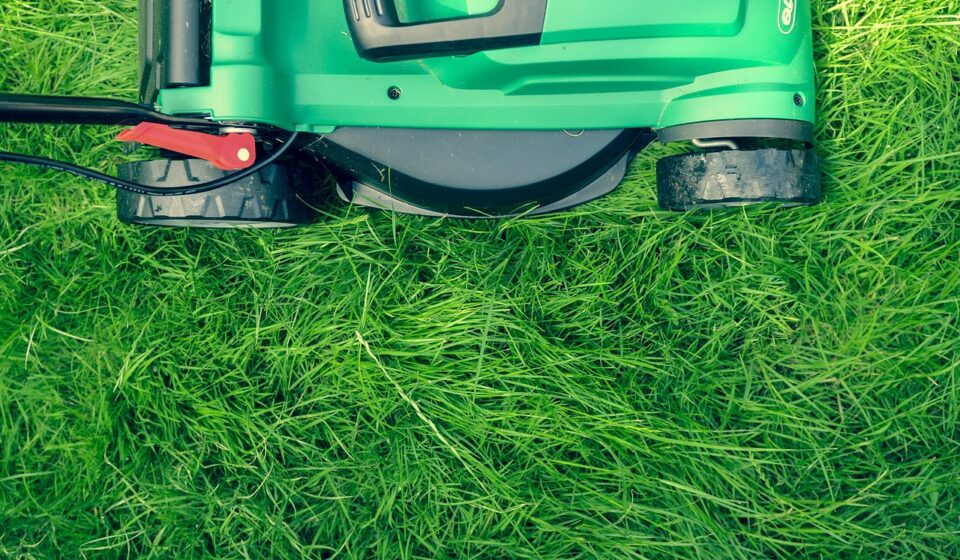
Start with a measured yard maintenance plan
Useful yard maintenance tips start before anyone buys more products or schedules every task for every weekend. A workable plan begins with basic observation: how the turf is growing, where water sits or runs off, whether the soil actually needs fertilizer, how much organic material the site produces, and where pests or safety risks are most likely to appear. Matching each task to plant growth, soil moisture, weather, and season helps homeowners, facility teams, and property managers reduce wasted labor while keeping outdoor areas safer, cleaner, and more resilient.
Public guidance from the U.S. Environmental Protection Agency, CDC tick-prevention resources, and university extension lawn-care programs supports the same broad approach: consistent, moderate maintenance usually works better than occasional aggressive cutting, watering, or chemical use.
Match mowing to grass growth, not the calendar
Mowing is often treated as a fixed weekly chore, but grass growth changes with temperature, rainfall, irrigation, shade, soil fertility, and turf species. University extension guidance commonly recommends the one-third rule: avoid removing more than one-third of the grass blade in a single mowing. Cutting too much at once can stress turf, expose soil, and give weeds more room to compete.
A better routine is to set a target mowing height for the turf type and mow when growth reaches the point where one-third removal is possible. For example, if a lawn is maintained near 3 inches, mowing around 4.5 inches removes roughly one-third of the blade. This is a rule of thumb, not a substitute for local turf guidance, but it ties mowing frequency to actual growth rather than habit.
- Keep blades sharp. Dull mower blades tear grass, leaving ragged tips that dry out more quickly.
- Change direction periodically. Alternating mowing patterns can reduce soil compaction and rutting.
- Avoid mowing wet soil. Wet ground compacts easily, and clippings can clump instead of dispersing.
- Raise cutting height during heat or drought stress. Slightly taller turf shades soil and may reduce moisture loss.
Grass clippings usually do not need to be bagged when mowing is frequent enough. Extension programs often describe grasscycling as leaving fine clippings on the lawn so they decompose and return organic matter and nutrients. Bagging may still be necessary when grass is excessively tall, diseased, or producing heavy clumps that block light.
Water by need and check the soil first
Outdoor water use is a major part of household water demand in the United States. EPA WaterSense materials report that outdoor water use accounts for about 30 percent of household water use nationally and can be much higher in dry regions or water-intensive landscapes. For many yards, irrigation is one of the largest opportunities to improve maintenance results without adding more labor.
The goal is not simply to water less. It is to water accurately, so moisture reaches the root zone without creating runoff or saturated soil. Overwatering can encourage shallow roots, fungal problems, runoff, and unnecessary utility cost. Underwatering during establishment or drought can weaken plants. Before running sprinklers, check soil moisture with a screwdriver test, soil probe, rain gauge, or simple moisture meter to confirm whether water is needed below the surface.
| Condition to check | Simple tool or method | Maintenance decision |
|---|---|---|
| Recent rainfall | Rain gauge | Skip or shorten irrigation after meaningful rain |
| Root-zone moisture | Soil probe, trowel, or moisture meter | Water only when the soil is dry below the surface |
| Sprinkler coverage | Catch cups or shallow containers | Adjust heads where some zones are soaked and others remain dry |
| Runoff | Visual inspection during irrigation | Use shorter cycles with soaking breaks on slopes or compacted soil |
Timing also matters. Early morning watering usually reduces evaporation compared with midday watering and gives foliage time to dry before night. Local drought rules, watering restrictions, and plant needs should always take priority over generic advice.
Use soil testing before fertilizing or correcting pH
Soil is the foundation of yard performance, but it is also where many maintenance mistakes begin. Applying fertilizer, lime, sulfur, or amendments without a soil test can waste money and may worsen nutrient imbalance. A laboratory soil test or reputable local extension test can measure pH, phosphorus, potassium, organic matter, and other indicators depending on the test package.
Soil pH matters because it affects nutrient availability. If pH is far outside the preferred range for the turf or plants being grown, nutrients may be present but less available. However, pH correction should be gradual and based on test results. Guessing can create a new problem while trying to fix an old one.
What to record from a soil test
- Sample date and location in the yard
- pH and any recommended correction rate
- Major nutrient levels and fertilizer recommendations
- Organic matter level if reported
- Texture, compaction, or drainage observations from the sampling area
Do not mix samples from very different zones. A sunny lawn, shaded side yard, vegetable bed, and compacted strip near a driveway may need separate samples because their conditions and maintenance goals differ. Keeping test records also prevents repeating the same amendment each year when it is no longer needed.
Turn yard trimmings into a resource when possible
Leaves, grass clippings, branches, and other yard trimmings are not just cleanup waste. EPA municipal solid waste data for 2018 estimated that 22.3 million tons of yard trimmings were composted or wood waste was mulched, while about 10.5 million tons of yard trimmings still went to landfills. The data is historical rather than a current-year estimate, but it shows why routine yard cleanup choices matter at scale.
For many properties, the first step is to keep usable organic material on site. Fine grass clippings can often remain on the lawn. Dry leaves can be shredded and used as mulch, added to compost, or placed around beds where they will not smother turf or blow into storm drains. Small branches can sometimes be chipped for paths or naturalized areas, depending on local rules and equipment access.
Compost with balance and airflow
A compost pile works better when it includes a mix of nitrogen-rich materials, such as fresh grass clippings, and carbon-rich materials, such as dry leaves or small twigs. Piles that are too wet, too compacted, or too heavy in grass can smell and break down slowly. Turning the pile, adding dry material, and keeping it damp but not saturated usually improves decomposition.
Not all yard material belongs in home compost. Diseased plants, invasive weeds with mature seed heads, and chemically treated material may require different handling. Local yard-waste collection rules are also important because many communities restrict what can be placed in regular trash or curbside organic bins.
Reduce pest habitat while protecting useful outdoor life
Good yard maintenance is not the same as removing every leaf, insect, or wild edge. A healthy landscape can support pollinators, birds, soil organisms, and beneficial insects. The practical goal is to reduce conditions that increase risk near high-use areas such as patios, play spaces, walkways, and entrances. See also: buying guides.
CDC tick-prevention guidance recommends actions such as keeping grass mowed, removing leaf litter, clearing tall grasses and brush around homes, and placing play equipment away from yard edges and wooded areas. These steps are especially relevant in regions where tick-borne disease is a known concern. They are maintenance decisions, not cosmetic preferences.
- Keep dense brush and tall weeds away from frequently used paths.
- Move stacked wood, unused pots, and debris away from foundations where pests can shelter.
- Trim vegetation so it does not block visibility at steps, gates, meters, or outdoor equipment.
- Use mulch thoughtfully; deep mulch against trunks or siding can hold excess moisture.
- Leave lower-risk habitat areas where appropriate, but separate them from play and seating zones.
Integrated pest management principles are useful here: identify the pest, understand why it is present, reduce habitat or food sources first, and use chemical controls only when necessary and label directions can be followed safely.
Build a seasonal checklist instead of reacting to problems
A seasonal plan keeps yard work from becoming a cycle of emergency fixes. The exact timing depends on climate, grass type, rainfall, and local regulations, but the main maintenance categories are similar for many properties.
| Season | Priority tasks | What to avoid |
|---|---|---|
| Spring | Inspect drainage, sharpen mower blades, test soil if needed, remove winter debris | Heavy traffic on saturated soil |
| Early summer | Adjust mowing frequency, check irrigation coverage, mulch beds before heat stress | Scalping grass to reduce mowing |
| Late summer | Watch drought stress, manage weeds before seed set, inspect pests and disease symptoms | Applying fertilizer during heat stress without local guidance |
| Fall | Mulch or collect leaves, aerate compacted turf where appropriate, service equipment | Letting thick leaf mats smother grass |
| Winter | Review records, clean hand tools, plan repairs, protect irrigation components in freezing areas | Ignoring drainage issues until spring storms |
For more upkeep ideas across equipment, inspection, and routine care, browse the maintenance tips section.
Keep records so maintenance becomes easier each year
A simple yard log is one of the most overlooked maintenance tools. Record mowing height changes, watering adjustments, soil test dates, fertilizer applications, pest sightings, drainage problems, and major weather events. Photos taken from the same angles each month can reveal thinning turf, plant stress, erosion, or overgrown areas before they become expensive repairs.
For homeowners, records reduce guesswork. For facility or property teams, records also support consistent handoffs between staff members and contractors. A log does not need to be complicated. A notebook, spreadsheet, or maintenance app can work as long as it captures the date, location, observation, action taken, and result.
The most reliable yard maintenance tips are the ones that can be checked against the site itself. If a watering change reduces runoff, keep it. If a mowing height improves shade tolerance, record it. If a recurring bare patch appears after every heavy rain, investigate drainage or compaction instead of reseeding the same spot repeatedly.
Frequently asked questions
How often should a yard be mowed?
Mow based on growth rate rather than a fixed weekly schedule. A common extension recommendation is to remove no more than one-third of the grass blade at one time. During fast growth, that may mean mowing more often; during drought or slow growth, it may mean mowing less.
Should grass clippings be bagged?
In many cases, no. Fine clippings can decompose on the lawn and return organic material. Bagging is more useful when clippings are heavy, wet, diseased, or likely to smother the turf.
When is the best time to water a yard?
Early morning is usually preferred because evaporation is lower than midday and foliage can dry before night. Soil moisture, rainfall, plant needs, and local watering rules should guide the final decision.
Is a soil test really necessary?
A soil test is strongly recommended before major fertilizing or pH correction. It helps identify what the soil actually needs and reduces the risk of unnecessary or excessive amendments.
What is the most practical first step for a neglected yard?
Start with cleanup, safety, and observation. Remove hazards, clear blocked paths, inspect drainage, mow gradually if grass is tall, and test soil before applying fertilizer or amendments. A measured reset is safer than doing every task aggressively at once.