Science lab apparatus guide for safer and more reliable experiments
Science lab apparatus includes the tools, instruments, containers, safety devices, and measurement systems used to prepare samples, run experiments, observe changes, and record results. Selecting apparatus is more than a purchasing task. It affects safety, repeatability, data quality, user training, and long-term operating cost. A school laboratory may need durable glassware, balances, microscopes, and basic heating equipment. A research or quality control laboratory may also need calibrated analytical instruments, controlled storage, ventilation equipment, and documented maintenance procedures. This guide explains how to classify common apparatus, what to check before use, and how to build a more reliable laboratory workflow. For related equipment topics, see the lab instruments section.
What counts as science lab apparatus?
In everyday use, science lab apparatus often means visible bench equipment such as beakers, flasks, test tubes, burners, pipettes, microscopes, and balances. In professional laboratories, the term is broader. It can also include sample preparation tools, measurement instruments, environmental controls, safety cabinets, fume hoods, refrigerators, centrifuges, hot plates, data loggers, and the accessories needed to use them properly.
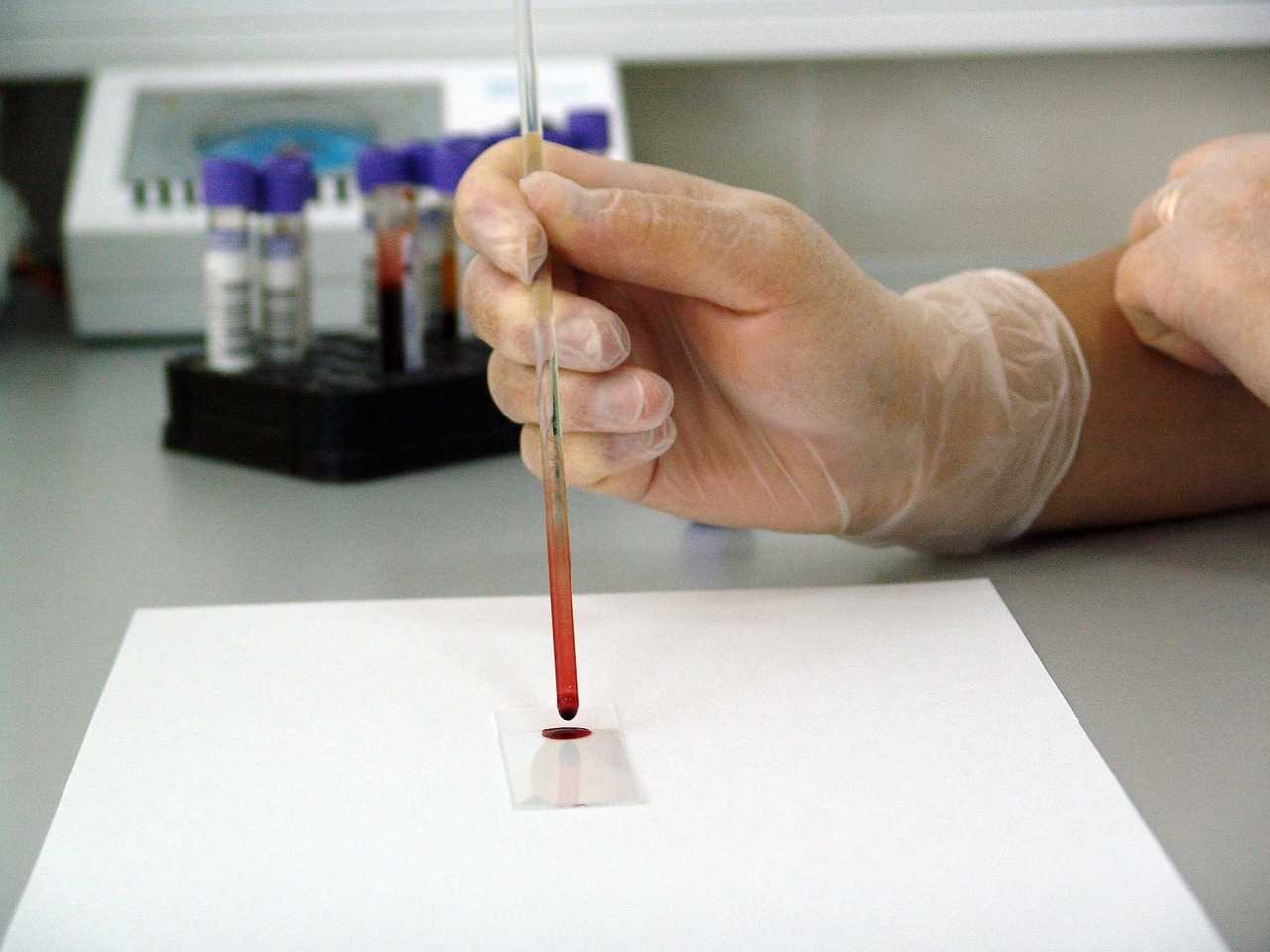
A practical distinction is that apparatus supports the experiment, while an analytical instrument usually produces a measurement signal or result. The line is not always strict. A balance, for example, is both basic lab apparatus and a measurement instrument. A pipette looks simple, but its accuracy can strongly affect chemical concentration, microbiology plating, and molecular biology workflows.
The practical question is not whether an item is called apparatus, equipment, or an instrument. What matters is whether it is suitable for the material, method, accuracy requirement, operator skill level, and risk level of the work being performed.
Main categories of science lab apparatus
Most laboratories use a mix of general-purpose tools and specialized instruments. Grouping apparatus by function helps teams plan purchases, write procedures, train users, and organize maintenance schedules.
| Category | Typical examples | Main purpose | Key selection point |
|---|---|---|---|
| Holding and reaction vessels | Beakers, flasks, test tubes, crucibles, watch glasses | Contain, mix, heat, or react materials | Material compatibility, volume, heat resistance, and breakage risk |
| Measuring apparatus | Balances, graduated cylinders, burettes, volumetric flasks, pipettes | Measure mass or volume | Accuracy class, calibration status, readability, and operator technique |
| Heating and cooling equipment | Hot plates, water baths, ovens, refrigerators, freezers | Control sample temperature | Temperature range, stability, uniformity, and safety controls |
| Separation equipment | Centrifuges, filtration assemblies, funnels, chromatography accessories | Separate components by size, density, phase, or mobility | Capacity, speed, rotor type, chemical resistance, and containment |
| Observation and imaging tools | Microscopes, magnifiers, cameras, slides | Inspect structures, particles, cells, or surfaces | Resolution, illumination, magnification range, and documentation needs |
| Safety and containment apparatus | Fume hoods, biosafety cabinets, splash shields, eyewash stations | Reduce exposure and control hazards | Hazard type, airflow or containment requirement, inspection status, and user training |
This functional view helps prevent a common purchasing mistake: investing in a major instrument while underestimating the basic apparatus needed to support it. A spectrophotometer, for example, may also require clean cuvettes, compatible solvents, micropipettes, standards, waste containers, and a documented cleaning method.
How to choose apparatus for a laboratory method
The best apparatus choice starts with the method, not the catalog page. Before selecting equipment, define what the experiment must achieve and what level of uncertainty is acceptable. A classroom demonstration may tolerate approximate measurements. A regulated quality control method may require traceable calibration, written acceptance criteria, and controlled environmental conditions.
Match the material to the hazard
Apparatus materials must be compatible with the substances in use. Borosilicate glass is common because it handles many chemicals and temperature changes better than ordinary glass, but it is not suitable for every chemical or every physical stress. Some acids, solvents, oxidizers, biological samples, and abrasive materials may require specific plastics, metals, ceramics, seals, or coatings. If the wrong material is chosen, the result may be contamination, leakage, corrosion, cracking, or an unsafe reaction.
Match capacity to realistic workload
Capacity should reflect actual sample volume, batch size, and peak workload. Oversized apparatus can waste reagents and bench space, while undersized equipment creates repeated handling steps that increase error and exposure. A centrifuge, for example, should be selected by tube size, rotor compatibility, maximum relative centrifugal force, balance requirements, and maintenance needs, not only by advertised speed.
Match precision to the decision being made
Not every task needs the highest precision, but the precision must be adequate for the decision being made. A top-loading balance may be appropriate for rough weighing, while an analytical balance is needed when small mass differences matter. Volumetric flasks and burettes are designed for more accurate volume work than general beakers or ordinary measuring cylinders. High-precision apparatus can still produce poor data if it is used incorrectly, so training and written technique are as important as the device itself.
Safety standards and guidance that shape apparatus decisions
Laboratory apparatus should be selected and used within a safety framework. In the United States, widely referenced safety sources include the OSHA laboratory standard for occupational exposure to hazardous chemicals, the CDC and NIH biosafety guidance for biological work, and fire protection guidance associated with laboratory chemical storage and ventilation. Internationally, many laboratories also align parts of their quality systems with ISO/IEC 17025 when testing and calibration competence must be demonstrated.
These sources do not make every laboratory the same. They help define the questions each lab must answer: What hazards are present? Who is trained to use the apparatus? What controls are needed before work begins? What inspection, calibration, or maintenance record shows that the apparatus is fit for use?
| Decision area | What to verify before use | Why it matters |
|---|---|---|
| Chemical work | Ventilation, container compatibility, labeling, spill control, and waste handling | Reduces inhalation, fire, reaction, and exposure risks |
| Biological work | Containment level, cabinet type, disinfection method, and aerosol control | Helps prevent contamination and unintended exposure |
| Heating operations | Temperature limit, overheat protection, glassware rating, and clearance from combustibles | Controls burn, fire, pressure, and breakage hazards |
| Measurement work | Calibration status, acceptance range, environmental conditions, and operator technique | Improves repeatability and confidence in results |
| Pressurized or rotating equipment | Shielding, balance, seals, rated speed, inspection history, and emergency stop function | Reduces mechanical failure and injury risk |
Safety apparatus is not separate from scientific apparatus. A fume hood, biosafety cabinet, shield, glove, waste bottle, or emergency shower can be just as essential to the method as the beaker or instrument listed in the procedure.
Calibration, maintenance, and documentation
Many apparatus failures are not obvious at first. A pipette may drift out of tolerance, a balance may sit on an unstable bench, a thermometer may read incorrectly, a refrigerator may fluctuate, or a microscope may produce poor images because of dirty optics. These issues can damage results before anyone notices a clear failure.
A practical maintenance program should separate user checks from formal service. User checks are routine observations made before or after use: Is the glassware cracked? Is the cord damaged? Does the display turn on? Is the rotor clean and seated correctly? Is the balance level? Are the seals intact? Formal service may include scheduled calibration, preventive maintenance, certification, or performance testing by a qualified person.
Items that often need documented checks
- Balances and weighing systems, especially when measurements affect reported results.
- Pipettes, burettes, and volumetric apparatus used for quantitative work.
- Thermometers, data loggers, incubators, ovens, refrigerators, and freezers.
- Centrifuges, rotors, safety lids, and high-speed moving parts.
- Fume hoods and biosafety cabinets that depend on airflow or containment performance.
- Electrical heating devices, pressure-related equipment, and emergency equipment.
Documentation does not need to be complicated, but it should be consistent. At minimum, records should identify the apparatus, location, responsible person or group, check date, result, corrective action, and next due date if applicable. Equipment labels should match the written records so users can quickly see whether an item is available, out of service, or restricted to trained personnel. See also: buying guides.
Common selection mistakes and how to avoid them
One frequent mistake is treating price as the only comparison point. Initial cost matters, but it is only part of total cost. Consumables, calibration, replacement parts, training time, software, accessories, cleaning requirements, energy use, and downtime can make a low-cost purchase expensive over the life of the apparatus.
Another mistake is ignoring the environment where the apparatus will operate. A precision balance placed near vibration, drafts, heat sources, or frequent foot traffic may perform poorly. A refrigerator used for temperature-sensitive samples may need monitoring and alarm features, while ordinary storage may not. A microscope used by many students may need durability and simple controls more than advanced imaging features.
Laboratories also run into problems when accessories are not planned early. Tubes may not fit a centrifuge rotor. Pipette tips may not seal correctly. Glassware may not fit existing clamps or heating mantles. A water bath may require racks, corrosion-resistant materials, or regular water treatment. These compatibility issues are easy to miss, but they can delay work and encourage unsafe improvisation.
Finally, familiar apparatus should not be assumed to be safe in every situation. Basic tools such as glass tubing, burners, scalpels, hot plates, and pressurized containers are common sources of injuries when users skip training or use damaged items. Routine equipment still needs routine attention.
A practical checklist before buying or using apparatus
The following checklist can help laboratories evaluate science lab apparatus without turning the process into a purely administrative exercise.
- Define the task: What method, sample type, and result will the apparatus support?
- Confirm accuracy needs: What tolerance, readability, or performance level is necessary?
- Review hazards: Are chemicals, biological agents, heat, pressure, sharps, radiation, or moving parts involved?
- Check compatibility: Are materials, accessories, consumables, software, and utilities compatible?
- Plan space and installation: Is there enough bench space, ventilation, power, water, drainage, or clearance?
- Identify training needs: Who is allowed to use the apparatus, and what procedure will they follow?
- Plan maintenance: What cleaning, inspection, calibration, or certification is required?
- Control documentation: How will records, labels, manuals, and service reports be stored?
- Prepare for end of life: How will worn, contaminated, obsolete, or damaged apparatus be removed safely?
This checklist is useful for new purchases, but it also applies to existing equipment. A periodic review can reveal apparatus that is duplicated, underused, unsafe, unsupported, or no longer suitable for current methods.
Frequently asked questions
What is the difference between lab apparatus and lab instruments?
Lab apparatus is a broad term for tools and equipment used to carry out laboratory work. Lab instruments are often more specialized devices that measure, analyze, or control conditions. In practice, the terms overlap. A balance, microscope, or centrifuge may be described as both apparatus and an instrument depending on the context.
Which science lab apparatus is essential for a basic laboratory?
A basic laboratory usually needs containers, measuring tools, heating or cooling equipment, observation tools, safety equipment, waste containers, and cleaning supplies. The exact list depends on whether the lab supports chemistry, biology, physics, environmental testing, teaching, or quality control.
How often should laboratory apparatus be calibrated?
Calibration frequency depends on the apparatus type, manufacturer guidance, method requirements, risk level, frequency of use, and previous performance. A high-use pipette or balance in quantitative work may require more frequent checks than apparatus used for demonstrations or noncritical tasks.
Why is documentation important for ordinary lab apparatus?
Documentation helps show that apparatus was suitable for use at the time work was performed. It also supports troubleshooting when results change, users rotate, or equipment is repaired. Even simple records can reduce confusion about cleaning, calibration, damage, and responsibility.
Can one piece of apparatus be used across different lab disciplines?
Yes, many items are shared across disciplines, including balances, glassware, pipettes, microscopes, refrigerators, and hot plates. Shared use works best when cleaning rules, contamination controls, scheduling, labeling, and training are clearly defined.
Conclusion
Science lab apparatus should be evaluated as part of a complete workflow, not as isolated bench equipment. The right choice depends on the method, hazard, accuracy requirement, users, maintenance plan, and documentation needs. Basic items such as pipettes, glassware, balances, and heating devices can influence results as much as advanced instruments when they are poorly selected or poorly maintained. A laboratory that classifies apparatus by function, checks compatibility before purchase, follows recognized safety guidance, and keeps practical records is better positioned to produce safer, more repeatable, and more defensible results.