Garden maintenance tips for healthier soil, plants, and outdoor equipment
What good garden maintenance actually means
Good garden maintenance is not about adding more work to every weekend. It is about checking the garden regularly, correcting small issues before they spread, and matching each task to the soil, plants, season, and weather. The most useful garden maintenance tips focus on five areas: soil care, watering, pruning, weed prevention, and clean tools. When these routines are handled consistently, plants are less stressed, pest problems are easier to spot, and outdoor equipment lasts longer.
For readers who follow broader home and equipment care topics, the maintenance tips section is a useful place to organize recurring checklists and seasonal routines. The same principle applies in the garden: maintenance works best as a simple cycle of checking, recording, adjusting, and cleaning.
Start with soil because every other task depends on it
Soil is the foundation of garden performance. Watering, fertilizing, mulching, and even pruning decisions are easier when the soil structure and nutrient status are understood. Guesswork often leads to overwatering, unnecessary fertilizer, or weak root development.
A basic soil review should cover texture, drainage, organic matter, pH, and visible compaction. Many university extension gardening guides recommend soil testing before making major fertilizer or pH adjustments, especially in vegetable beds, lawns, orchards, and newly planted areas. A soil test does not need to be repeated constantly, but it is useful when a garden is new, when plants show unexplained decline, or when amendments have been applied for several seasons without measurement.
Check drainage before adding fertilizer
Pale leaves and weak growth are not always signs of nutrient deficiency. Poor drainage can reduce oxygen around the roots and make nutrients harder for plants to use. Before applying fertilizer, dig a small inspection hole after rain or irrigation. If water remains for a long time, or if the soil smells sour and feels compacted, drainage and aeration may be the first maintenance priorities.
Use organic matter carefully
Compost, leaf mold, and well-rotted organic materials can improve soil structure and biological activity. However, more is not always better. Thick, repeated applications can raise nutrient levels beyond what plants need, especially phosphorus in some garden soils. A practical approach is to add modest amounts, watch plant response, and rely on testing before making larger changes.
Water deeply, measure conditions, and avoid routine overwatering
Watering is one of the easiest garden tasks to get wrong because the soil surface can be misleading. A dry-looking surface may hide adequate moisture deeper in the root zone, while a damp surface may sit above compacted soil that roots cannot penetrate well.
Most established garden plants benefit from less frequent but deeper watering compared with frequent shallow watering. Deep watering encourages roots to grow downward, which can improve resilience during hot or dry periods. The exact amount depends on soil type, plant species, root depth, temperature, wind, and rainfall.
Use observation instead of a fixed calendar
A fixed watering schedule is convenient, but it can waste water after rain or leave plants short during heat. A better maintenance habit is to check soil moisture several inches below the surface before irrigating. This can be done with a trowel, a soil probe, or a simple moisture meter. Clay soils often hold water longer but drain more slowly, while sandy soils dry faster and may need smaller, more frequent applications.
Water early when possible
Morning watering gives foliage time to dry and reduces water loss compared with watering during the hottest part of the day. It also makes wilt, pest damage, or irrigation problems easier to notice while the garden is still cool enough to inspect carefully. Avoid keeping leaves wet overnight when disease-prone plants are crowded or airflow is poor.
Mulch and weed control should protect the root zone
Mulch is often treated as a decorative finish, but its maintenance value is broader. A suitable mulch layer can reduce evaporation, moderate soil temperature, limit weed germination, and protect soil from crusting during heavy rain. Organic mulches also break down over time and contribute to soil structure.
For many beds, a moderate mulch layer is enough. Excessively deep mulch can hold too much moisture against stems, reduce airflow, and create conditions that favor rot or pests. Keep mulch away from perennial crowns, shrub stems, and tree trunks. Around trees, avoid the common “mulch volcano” shape; a wider, flatter ring is healthier than a pile against bark.
Remove weeds before they seed
Weed control is most effective when it starts early. Small weeds are easier to pull, disturb less soil, and have not yet added seed to the garden. After rain or irrigation, many weeds lift more cleanly because the soil is softer. In dry conditions, cutting weeds at the soil line can be better than pulling aggressively and damaging nearby roots.
Match weed methods to the planting area
Hand weeding is precise around vegetables and young ornamentals. Mulch is useful in shrub borders and perennial beds. Flame weeding, herbicides, or mechanical cultivation require more caution and may not be appropriate near desirable plants, dry mulch, pollinator habitats, or edible crops. The safest maintenance plan is usually layered: prevent weeds with mulch, remove escapes early, and avoid disturbing dormant weed seeds whenever possible.
Prune for plant health, access, and airflow
Pruning is maintenance, not just shaping. The main reasons to prune are to remove dead or diseased material, improve airflow, reduce crossing branches, maintain safe access, and direct plant energy. Heavy pruning at the wrong time can reduce flowering, stress the plant, or invite weak regrowth, so timing matters.
As a general rule, dead, damaged, or diseased material can be removed when noticed. Structural pruning, rejuvenation pruning, and flowering shrub pruning should be timed more carefully. Plants that bloom on old wood may lose flowers if pruned after buds have formed. Plants that bloom on new growth are often more forgiving, but species-specific guidance is still important.
Clean cuts reduce stress
Sharp pruners make cleaner cuts and reduce crushing. On woody plants, cut just outside the branch collar rather than leaving long stubs or cutting flush against the trunk. For herbaceous plants, remove collapsed or diseased foliage promptly, but leave healthy foliage when it is still feeding roots or bulbs for the next season.
Do not prune everything at once
A practical maintenance limit is to avoid removing a large share of a healthy plant’s canopy in a single session unless a species-specific renovation method calls for it. Gradual pruning allows the plant to respond with less shock. If a shrub or small tree needs constant severe cutting to fit its space, replacement with a better-sized plant may be more sustainable than repeated corrective pruning. See also: buying guides.
Inspect pests and diseases before they spread
Pest and disease maintenance works best as early detection, not emergency treatment. Walk the garden slowly and check the undersides of leaves, new shoots, stems near the soil line, and the interior of dense plants. Many problems begin in sheltered, humid, or crowded locations before they become obvious.
Not every insect is a pest. Gardens also support pollinators, predators, decomposers, and neutral visitors. Before using any control method, identify the problem as accurately as possible. Removing a few affected leaves, improving airflow, adjusting watering, or washing off a small pest population may be enough in some situations.
Keep a simple problem log
A garden log does not need to be complicated. Record the date, plant, symptoms, weather pattern, watering changes, and any treatment used. Over time, this record helps reveal patterns such as mildew after overhead watering, slug damage during wet weeks, or nutrient symptoms after heavy rain. For an equipment-focused site, the habit also mirrors good laboratory and workshop practice: decisions are stronger when observations are recorded instead of remembered vaguely.
Use controls in the least disruptive order
A sensible sequence is identification, cultural correction, physical removal, targeted treatment if needed, and follow-up inspection. Broad, unnecessary treatments can harm beneficial organisms and may not solve the underlying cause. If a disease is soil-borne, for example, leaf sprays alone may not prevent recurrence unless crop rotation, sanitation, resistant varieties, or drainage improvements are also considered.
Maintain tools, containers, and outdoor equipment
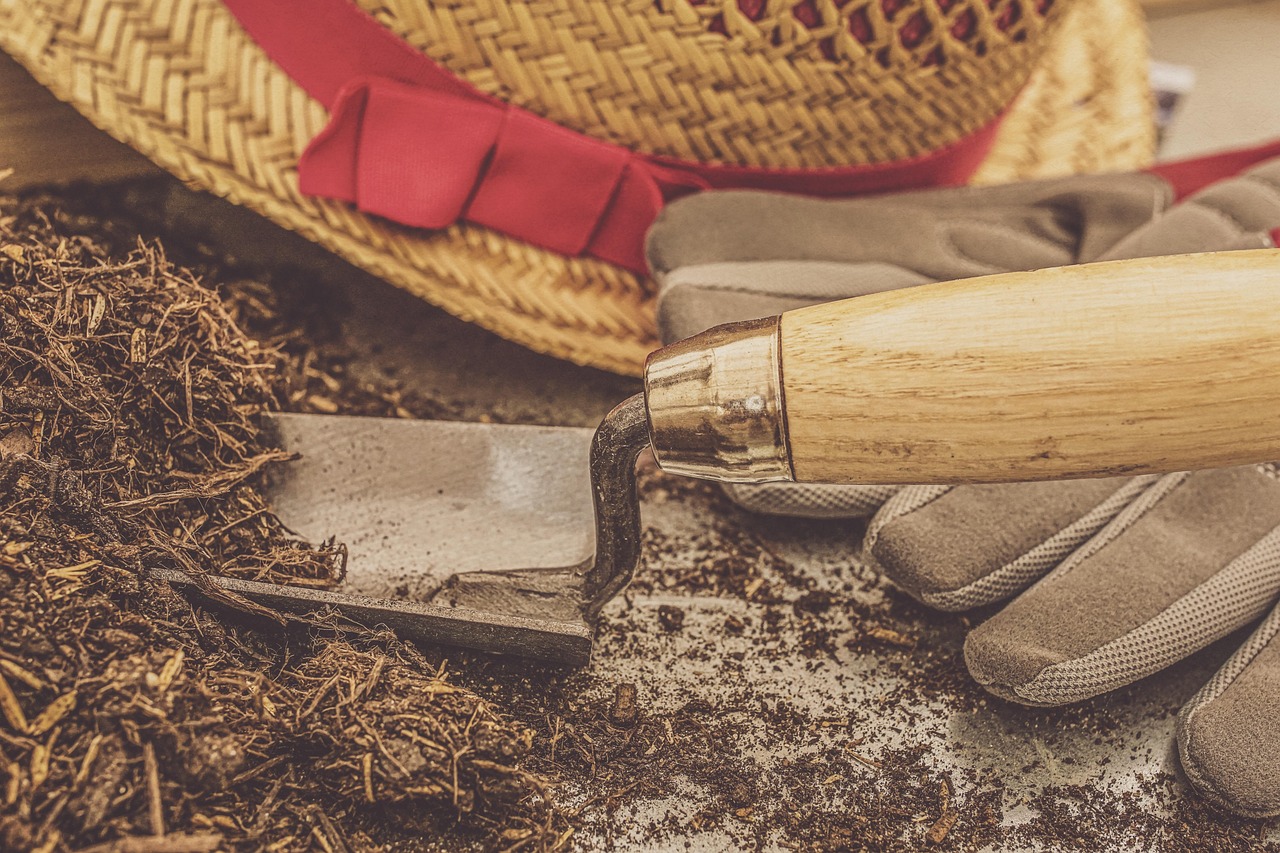
Garden tools are part of plant health. Dirty blades can move plant sap, soil, and disease organisms between cuts or planting areas. Dull blades tear tissue. Rusted hinges make tools harder to control and more tiring to use. A short cleaning routine after each major session prevents many of these problems.
- Remove soil after use. Brush or rinse digging tools before soil hardens on the surface.
- Dry metal parts before storage. Moisture encourages rust, especially in sheds with poor ventilation.
- Sharpen cutting tools regularly. Pruners, loppers, hoes, and mower blades work better when edges are maintained.
- Disinfect when disease is suspected. Clean pruners between infected plants and before working on healthy material.
- Check handles and fasteners. Loose heads, cracked handles, and worn grips can create safety risks.
Containers also need maintenance. Old potting mix can become compacted, depleted, or affected by salts. Pots should drain freely, and saucers should not hold water around roots for extended periods. Before reusing containers for sensitive plants, remove old roots and debris and clean the pot thoroughly.
A seasonal garden maintenance checklist
Seasonal timing varies by climate, plant selection, and local weather. Even so, a flexible checklist helps prevent missed tasks. Use this table as a planning framework rather than a rigid calendar.
| Season or timing | Maintenance focus | What to check |
|---|---|---|
| Late winter to early spring | Planning, pruning, soil preparation | Tool sharpness, damaged branches, soil test needs, seed starting supplies |
| Spring growth period | Planting, mulching, early weed control | Soil moisture, young weeds, transplant stress, slug or insect activity |
| Warm season | Water management and inspection | Deep soil moisture, heat stress, irrigation coverage, pest outbreaks |
| Late summer to fall | Cleanup, planting, compost management | Diseased foliage, spent crops, fallen fruit, mulch depth, perennial divisions |
| After storms or freezes | Damage response | Broken limbs, exposed roots, erosion, waterlogged beds, unsafe structures |
The value of a checklist is consistency. A five-minute inspection after rain, heat, or wind can prevent larger repairs later. Maintenance is also easier when similar tasks are grouped: prune and clean blades in one session, weed and refresh mulch together, or inspect irrigation while checking soil moisture.
Common maintenance mistakes to avoid
Many garden problems come from well-intended habits that are applied too broadly. The goal is not to stop maintaining the garden, but to make each action more specific.
- Watering by habit instead of soil condition. This can lead to shallow roots, runoff, or root disease.
- Adding fertilizer before diagnosing the issue. Nutrients cannot fix compaction, poor light, root damage, or incorrect plant placement.
- Pruning at the wrong time. Some shrubs set flower buds long before they bloom, so timing affects next season’s flowers.
- Piling mulch against stems and trunks. This can trap moisture where bark and crowns need airflow.
- Ignoring tool hygiene. Cleaning and sharpening tools is faster than correcting damage caused by dirty or dull equipment.
- Removing every insect on sight. Identification matters because many insects are beneficial or harmless.
A measured approach is especially useful for mixed gardens that include ornamentals, vegetables, herbs, shrubs, and small trees. Each plant group has different maintenance needs, but all benefit from careful observation and timely adjustment.
Frequently asked questions
How often should a garden be maintained?
Most gardens benefit from a brief weekly inspection during the active growing season, with deeper maintenance sessions as needed. In hot, wet, windy, or pest-prone periods, shorter but more frequent checks can be more useful than occasional long workdays.
What is the most important garden maintenance task?
Soil and water management are the foundation. If roots have suitable moisture, air, structure, and nutrients, plants are better able to tolerate pests, pruning, and weather stress. Tool care and sanitation also matter because they support clean, accurate work.
Should fallen leaves be removed from garden beds?
It depends on the location and plant health. Clean, shredded leaves can be useful mulch in many beds. However, leaves that are diseased, matted heavily over small plants, or piled against crowns may need to be removed or composted separately according to local guidance.
How can maintenance be reduced without neglecting the garden?
Choose plants suited to the site, group plants with similar water needs, mulch open soil, improve soil structure, and use checklists. Reducing unnecessary tasks is not neglect; it is better maintenance when the garden’s real needs are still being monitored.
When should garden tools be cleaned?
Remove soil after each use and dry tools before storage. Clean cutting blades more carefully after pruning diseased plants, moving between sensitive plants, or before storing tools for the season. Regular sharpening should be part of the same maintenance routine.