Safety lab checklist for chemical and biological work
What a safety lab checklist should control first
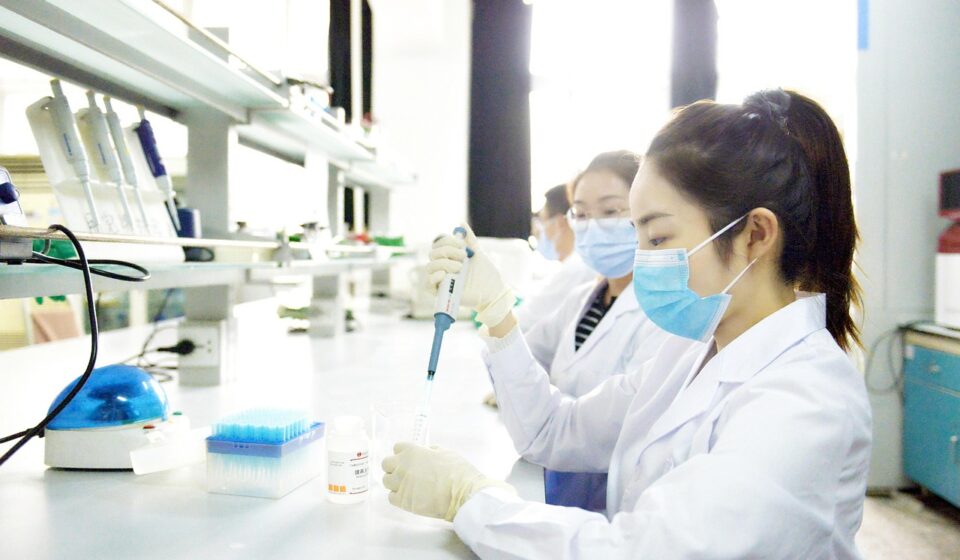
A useful safety lab checklist starts with the work itself: the materials, procedures, hazards, and controls that must be in place before anyone opens a container, starts a centrifuge, cultures organisms, or energizes equipment. For most laboratories, the operational goal is to make safe work the default through written procedures, suitable facilities, verified engineering controls, accessible hazard information, task-specific training, and emergency readiness. In U.S. chemical laboratories, OSHA’s Laboratory Standard requires applicable employers to maintain a Chemical Hygiene Plan that defines measures for reducing employee exposure, including engineering controls, PPE, and hygiene practices. This article translates that regulatory and biosafety framework into a practical checklist for routine chemical and biological work. (osha.gov)
The checklist is intended for laboratory managers, safety coordinators, principal investigators, technicians, and procurement teams that need a clear view of what safe laboratory operation depends on. It is not a substitute for site-specific legal review, institutional policy, or professional risk assessment, but it can help teams ask the right questions before work starts. For related coverage, see the lab safety section.
Start with the work, not the room
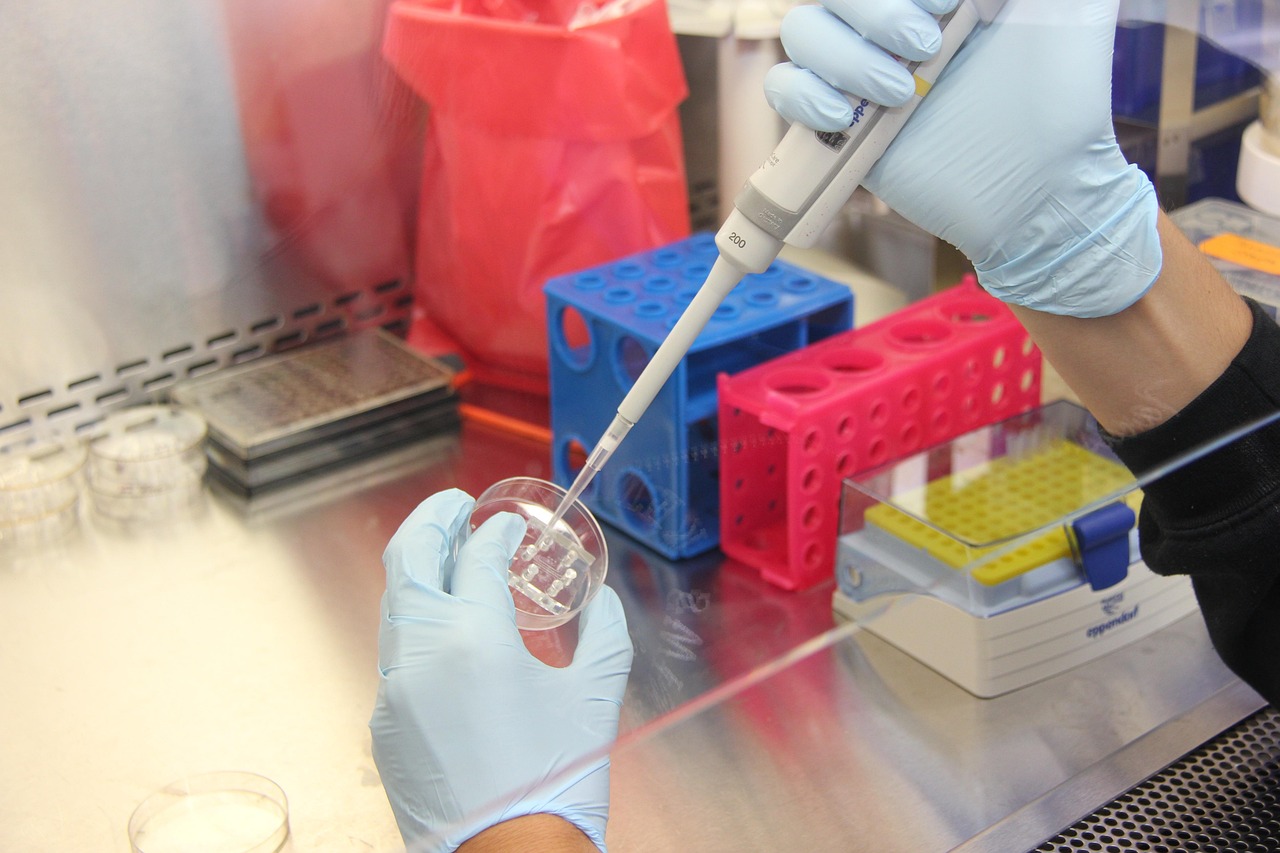
A laboratory is not safe simply because it has a fume hood, storage cabinets, signs, or PPE stations. Safety depends on how well the controls match the task. A room used for teaching demonstrations has a different risk profile from a clinical microbiology bench, a materials testing area, or a synthetic chemistry lab. The first checkpoint is the scope of work: what materials are used, what processes are performed, how often the work occurs, who performs it, and what could reasonably go wrong.
NIOSH describes the hierarchy of controls as a preferred order for controlling workplace exposures, with elimination and substitution generally favored before engineering controls, administrative controls, and PPE. In laboratories, that approach is especially useful because PPE can reduce exposure only when it is selected correctly, worn correctly, and not overwhelmed by the hazard. A stronger checklist asks whether the hazardous step can be removed, scaled down, enclosed, automated, substituted, or performed under ventilation before relying on gloves and eyewear. (cdc.gov)
| Checklist area | What to verify | Why it matters |
|---|---|---|
| Task definition | The procedure, materials, scale, temperature, pressure, and duration are known. | Controls cannot be selected accurately without knowing the actual work. |
| Hazard identification | Chemical, biological, physical, electrical, thermal, and ergonomic hazards are reviewed. | Laboratory incidents often involve overlapping hazards, not a single risk. |
| Control selection | Engineering and administrative controls are considered before PPE. | This follows the control logic used by occupational safety agencies. |
| Authorization | Only trained and approved personnel perform restricted tasks. | Complex procedures require task-specific competence. |
| Emergency readiness | Spill, exposure, fire, evacuation, and reporting steps are known before work starts. | Response time matters when exposure or contamination occurs. |
Chemical safety checkpoints
For chemical work, the core question is whether the laboratory has an active chemical hygiene system, not just a binder that no one uses. OSHA’s Laboratory Standard applies to qualifying non-production laboratories where hazardous chemicals are used on a laboratory scale. When the standard applies, the employer must develop and implement a Chemical Hygiene Plan, and the plan must address control measures, employee information and training, exposure monitoring when required, and circumstances requiring prior approval. (osha.gov)
Chemical inventory and safety data sheets
A current chemical inventory should identify what is present, where it is stored, and who is responsible for it. Safety data sheets should be accessible to personnel during work, not stored only in a remote office or an outdated shared folder. A practical test is simple: if a bottle is found on a bench, a trained worker should be able to identify the substance, understand its hazards, find the SDS, and know whether the container belongs there.
Labels and hazard communication
Labels should remain legible, complete, and consistent with the hazard communication system used by the organization. OSHA’s Hazard Communication Standard requires information about hazardous chemicals to be communicated through a hazard communication program, labels, safety data sheets, and employee training. OSHA published a final rule updating the Hazard Communication Standard on May 20, 2024, with an effective date of July 19, 2024; the update included changes related to hazard classification, labels, safety data sheets, and alignment with the Globally Harmonized System. (osha.gov)
Storage compatibility and waste
Chemical storage should be organized by compatibility, not by alphabet alone. Acids, bases, oxidizers, flammables, water-reactive materials, compressed gases, and toxic substances may require separate controls. Waste containers should be compatible with their contents, closed when not in use, labeled clearly, and managed under the site’s environmental health and safety procedures. The checklist should also ask whether old, unlabeled, crystallized, expired, or unnecessary chemicals have a defined review and disposal pathway.
Biosafety checkpoints for biological work
When biological materials are present, the safety question expands from worker exposure to containment, decontamination, environmental release, and sample integrity. The CDC and NIH publication Biosafety in Microbiological and Biomedical Laboratories, commonly known as BMBL, is a foundational U.S. biosafety reference and is available in its 6th edition. It explains biosafety practices through combinations of laboratory practices, safety equipment, and facility safeguards. (cdc.gov)
Risk assessment before biosafety level selection
Biosafety level is not selected by room name alone. It depends on the organism or material, route of transmission, infectious dose where known, procedure type, concentration, volume, aerosol potential, worker competence, and available containment. A teaching lab that handles well-characterized low-risk organisms will not have the same controls as a lab manipulating clinical isolates or agents that can spread through aerosols. The checklist should require a documented biosafety risk assessment before new organisms, samples, or procedures are introduced.
Containment equipment and work practices
Biological safety cabinets, sealed rotors, centrifuge safety cups, sharps controls, disinfectants, and autoclave procedures should be matched to the biological risk. The presence of a cabinet is not enough. Users need to know when it is required, how airflow can be disrupted, what materials can be placed inside, and how surfaces are decontaminated after work. For aerosol-generating steps, the checklist should verify that containment is selected before the procedure is approved.
Decontamination and waste flow
Biological waste flow should be clear at the bench. Personnel should know what is disinfected at the point of use, what is autoclaved, what is collected as regulated waste, and what requires special handling. Decontamination methods should be compatible with the organism, surface, contact time, and downstream disposal process. Vague language such as disinfect after use is weaker than a written procedure that names the disinfectant, concentration, contact time, and responsible role.
Engineering controls, PPE, and training
Engineering controls should be treated as active safety systems that require proper selection, use rules, and verification. OSHA’s non-mandatory recommendations for chemical hygiene note the importance of laboratory chemical hoods in protecting personnel from chemical exposure and emphasize that controls should keep exposures below applicable limits. In practice, this means fume hoods, biological safety cabinets, local exhaust, shielding, interlocks, and guards should be chosen for the hazard and maintained according to institutional requirements. (osha.gov)
PPE should be selected after the hazard assessment, not by habit. Gloves must be compatible with the chemical or biological material and the expected contact time. Eye and face protection should match splash, impact, ultraviolet, laser, cryogenic, or pressurized-system hazards. Lab coats, gowns, aprons, sleeve covers, and respiratory protection may be appropriate for some tasks, but PPE that is uncomfortable, unavailable in correct sizes, or not replaced when contaminated will not perform as intended. See also: buying guides.
Training should be task-specific and documented. A general onboarding module can introduce policies, but it cannot prove that a worker can safely quench a reactive chemical, operate a high-speed centrifuge, handle human-derived specimens, or clean a spill. A stronger safety lab program pairs written procedures with supervised practice, competency checks, refresher training when procedures change, and a clear stop-work expectation when conditions differ from the approved method.
Emergency readiness and routine verification
Emergency planning should be reviewed before the first experiment, not after a spill. Workers should know how to report exposures, where to find spill materials, when to evacuate, whom to call, and how to preserve information needed for medical or incident review. OSHA’s Laboratory Standard includes provisions for employee information and training and for medical consultation and examinations under specified exposure circumstances, which is why exposure response should be built into the laboratory’s operating system rather than handled informally. (osha.gov)
Routine verification turns policy into daily practice. Fume hood status, cabinet certification, emergency equipment access, chemical storage, waste accumulation points, compressed gas restraints, eyewash access, fire extinguisher visibility, signage, and training records should be checked on a schedule appropriate to the lab’s risk. Findings should be assigned to owners with due dates. A checklist that produces no corrective actions may look tidy, but it may also mean the inspection is too superficial.
Common gaps that weaken a lab safety program
Many laboratory safety weaknesses are not dramatic. They are small mismatches between written policy and daily work. These gaps matter because they make the official system unreliable when a worker needs it most.
| Common gap | What it looks like | Better control |
|---|---|---|
| Static Chemical Hygiene Plan | The plan exists but does not reflect current chemicals, equipment, or procedures. | Review the plan after new hazards, incidents, process changes, and scheduled audits. |
| PPE chosen by tradition | Everyone wears the same gloves regardless of chemical compatibility. | Use SDS information and glove compatibility guidance for each task. |
| Unclear ownership | No one knows who checks storage, waste, or emergency supplies. | Assign named roles and backup roles for recurring checks. |
| Training without competency | Workers complete a module but are not observed performing critical tasks. | Add supervised demonstrations for higher-risk procedures. |
| Poor change control | A new reagent, organism, scale, or instrument is introduced without review. | Require pre-use review for new hazards and significant procedural changes. |
This approach separates documentation from performance. A laboratory may have policies, signage, and equipment while still lacking verified control over a specific task. Conversely, a modest laboratory can manage risk well when its procedures, controls, training, and emergency plans are aligned with the work actually being performed.
Frequently asked questions
Is a safety lab checklist enough by itself?
No. A checklist is a verification tool, not the whole safety system. It should support risk assessment, written procedures, training, engineering controls, supervision, inspections, and corrective actions. If the checklist is used only to confirm that generic items exist, it will miss task-specific hazards.
What is the difference between a Chemical Hygiene Plan and hazard communication?
A Chemical Hygiene Plan is the laboratory-focused program required under OSHA’s Laboratory Standard when that standard applies. Hazard communication is the broader system for communicating chemical hazards through labels, safety data sheets, training, and a written program. Laboratory operations may need to address both, depending on the work and how chemicals are handled. (osha.gov)
Should PPE be listed first on a lab checklist?
PPE should be included, but it should not be the first or only control considered. The hierarchy of controls favors removing, substituting, enclosing, or otherwise controlling hazards before relying on individual behavior and personal protective equipment. PPE remains important, but it works better when upstream controls reduce the exposure challenge. (cdc.gov)
Do all biological laboratories use the same biosafety level?
No. Biosafety level depends on the agents, procedures, routes of exposure, containment needs, facility safeguards, and worker training. The BMBL framework emphasizes matching practices, safety equipment, and facility controls to the biological risk rather than using a single universal setup. (cdc.gov)
How often should a laboratory safety checklist be reviewed?
The review frequency should match the risk and pace of change. A low-hazard teaching space may use a different schedule than a research lab handling reactive chemicals, human specimens, or high-energy equipment. At minimum, review the checklist when procedures, personnel, materials, equipment, regulations, or incident history change.