How to choose medical lab instruments for reliable clinical testing
Medical lab instruments should be chosen as part of the test system
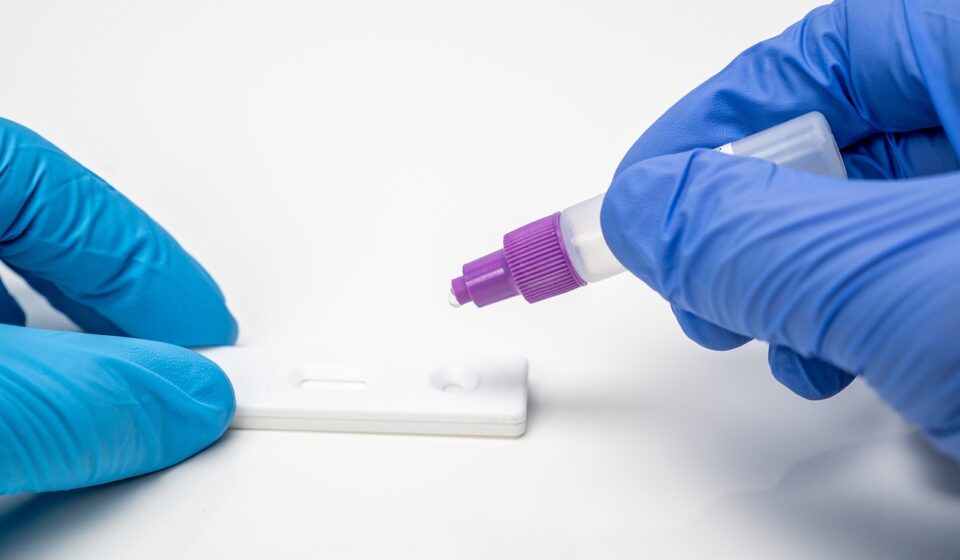
Medical lab instruments should be evaluated as part of the whole testing process, not as stand-alone bench equipment. A working test system includes specimens, reagents, calibrators, controls, software, operators, maintenance routines, and the laboratory environment. The aim is practical: select instruments that can produce reliable clinical results under the conditions in which the laboratory actually operates.
That requires more than comparing catalog features. Laboratories need to review intended use, analytical performance, verification requirements, biosafety needs, service support, data handling, and total lifecycle cost. Regulatory and standards references such as FDA guidance on in vitro diagnostics, CMS CLIA requirements, ISO 15189:2022, CLSI equipment guidance, and the CDC/NIH BMBL all support the same principle: equipment decisions should be documented, risk-based, and tied to the quality of patient results.
What counts as a medical lab instrument
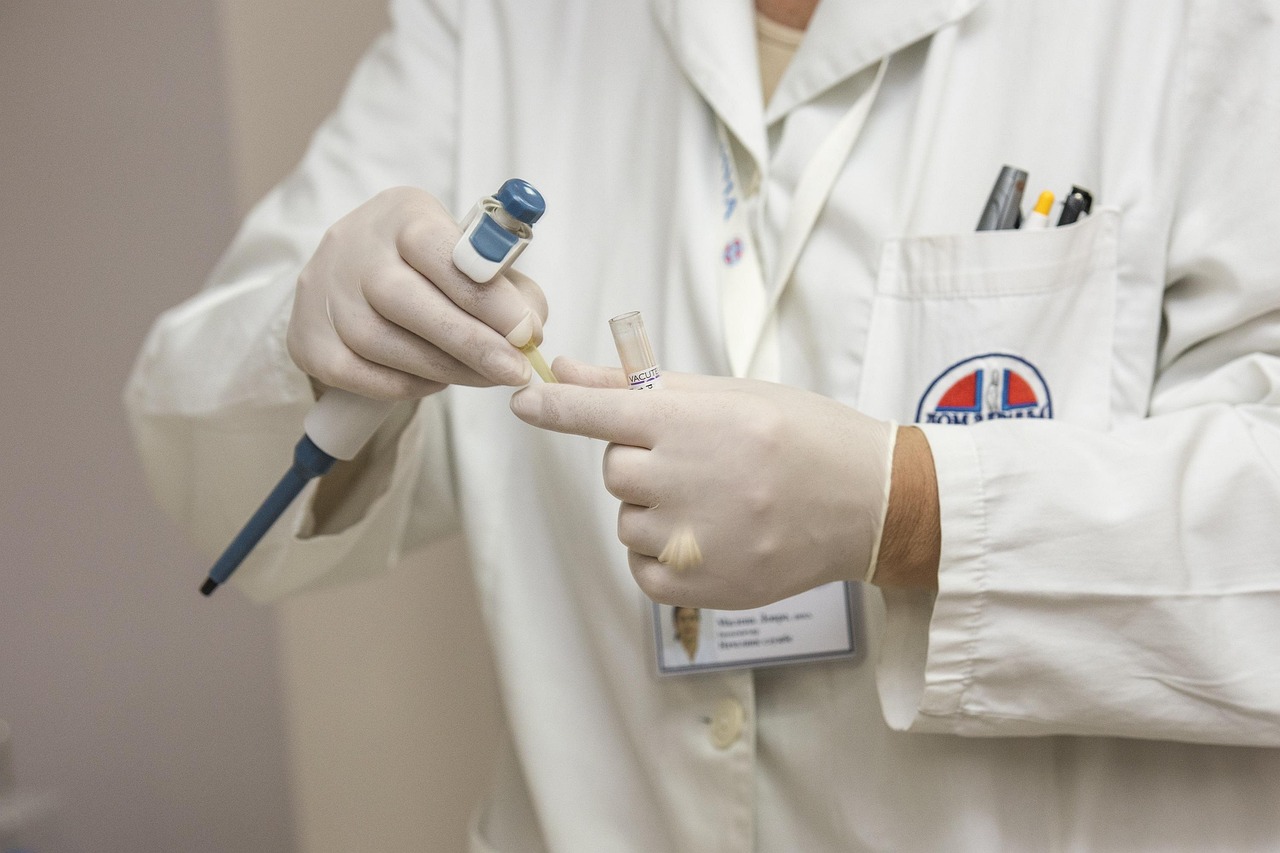
In a diagnostic setting, a medical lab instrument may be a primary analytical platform, a general support device, a specimen handling unit, a storage system, or a software-connected component that affects testing. The FDA describes in vitro diagnostic products as reagents, instruments, and systems intended for use in diagnosing disease or determining health status.
Not every device in a clinical laboratory is regulated in the same way. A hematology analyzer, PCR system, or blood gas analyzer may be a central diagnostic system. A centrifuge, pipette, refrigerator, or biosafety cabinet may support the quality and safety of testing without producing the final result by itself.
| Instrument group | Common examples | Key selection question |
|---|---|---|
| Specimen preparation | Centrifuges, pipettes, mixers, aliquoting systems | Can the equipment handle expected specimen types without compromising integrity? |
| Analytical testing | Chemistry, immunoassay, hematology, coagulation, molecular, urinalysis, microbiology, flow cytometry, mass spectrometry systems | Does the platform support the required test menu, accuracy, throughput, and reporting needs? |
| Storage and environment | Refrigerators, freezers, incubators, water baths, temperature monitoring systems | Can required conditions be maintained, monitored, and documented? |
| Biosafety and containment | Biological safety cabinets, sealed centrifuge rotors, autoclaves, waste systems | Does the equipment match the biological or chemical risk assessment? |
| Data and connectivity | Middleware, interfaces, barcode systems, instrument software | Can results, flags, QC data, and audit trails move accurately through the workflow? |
Selection starts with the clinical workflow
A list of medical lab instruments can help with planning, but it does not answer the main purchasing question: will the instrument protect or improve the laboratory workflow? A small physician office laboratory, hospital core lab, molecular diagnostics lab, and reference laboratory all need accurate results. Their constraints, however, are not the same. Turnaround time, staffing, specimen volume, menu complexity, floor space, backup capacity, and connectivity often determine whether a technically strong instrument is practical.
- Test menu: Confirm that the analyzer or platform supports the assays the laboratory intends to run now and can reasonably accommodate near-term menu changes.
- Throughput and peak demand: Average daily volume is not enough. Evaluate morning peaks, emergency testing, seasonal surges, and maintenance downtime.
- Specimen requirements: Review acceptable specimen types, minimum volumes, tube compatibility, hemolysis or lipemia handling, and onboard sample stability.
- Operator model: Consider whether the instrument fits staff skill mix, shift coverage, training burden, and the competency assessment process.
- Footprint and utilities: Check bench strength, ventilation, water, drains, power stability, temperature, humidity, noise, and service access.
- Connectivity: Confirm laboratory information system compatibility, barcode workflows, result flags, QC transfer, audit trails, and cybersecurity expectations.
- Continuity planning: Decide how testing will continue during calibration failure, reagent backorder, software outage, or scheduled preventive maintenance.
The right instrument is therefore not always the fastest or most automated option. It is the one that can maintain reliable output within the laboratory’s real operating limits.
Performance evidence to review before routine use
Reliability is an evidence question. Marketing claims may describe what an instrument can do under defined conditions, but the laboratory still needs records showing that the instrument performs acceptably in its own setting. CLSI equipment guidance emphasizes planning, performance qualification, function checks, calibration verification, preventive maintenance, and record keeping for laboratory equipment. These activities turn a purchased asset into a controlled component of patient testing.
Analytical performance
For analytical systems, review precision, bias, analytical measuring range, reportable range, linearity, sensitivity, specificity where applicable, carryover, interference, reference intervals, and limits of detection or quantitation when relevant. The level of evidence needed depends on the method, clinical use, patient risk, and whether the laboratory is using the manufacturer’s instructions without modification. For high-impact tests, borderline results, or methods used for diagnosis and treatment decisions, small performance differences can have clinical consequences.
Calibration, quality control, and maintenance
Calibration links the instrument response to a known reference or assigned value. Quality control monitors ongoing performance. Maintenance reduces avoidable drift, mechanical failure, contamination, and downtime. These activities are related, but they are not interchangeable.
A sound selection process asks whether calibrators and controls are available, how often calibration is required, which maintenance tasks are daily or periodic, which tasks require vendor service, and how failed QC or calibration events are investigated before patient results are released.
Verification versus validation
Verification generally confirms that a commercially established method performs as expected in the local laboratory. Validation is broader and is typically needed when a laboratory develops, modifies, or uses a method outside the manufacturer’s cleared or approved instructions.
In the United States, the legal landscape for laboratory-developed tests changed after the FDA’s 2024 LDT final rule was vacated by a federal district court on March 31, 2025, and formally rescinded on September 19, 2025. Because requirements can vary by test type, jurisdiction, accreditation program, and intended use, laboratories should confirm current obligations before implementing modified or laboratory-developed methods.
Safety and facility fit are purchase criteria, not afterthoughts
The CDC/NIH Biosafety in Microbiological and Biomedical Laboratories framework describes containment as a combination of practices, safety equipment, and facility safeguards. That concept applies directly to instrument decisions. An analyzer or support device may be accurate but still unsuitable if it creates aerosol, chemical, electrical, waste, ergonomic, or data-security risks that the laboratory cannot control. See also: buying guides.
- Centrifuges: Consider sealed rotors or safety cups when specimens may contain infectious material, and ensure there is a clear response procedure for tube breakage.
- Biological safety cabinets: Match the cabinet type to the work performed. A clean bench protects the work product, not the operator, and should not be treated as a substitute for a biological safety cabinet.
- Chemistry and staining systems: Review reagent hazards, ventilation, spill control, waste segregation, and disposal requirements before installation.
- Cold storage: Refrigerators and freezers used for reagents, controls, specimens, or critical materials need temperature monitoring, alarm response, and backup planning.
- Automated analyzers: Plan for moving parts, sharps, pressurized fluids, sample probes, wash solutions, and lockout or service procedures.
- Connected instruments: Evaluate access controls, software updates, audit trails, interface validation, backup, and cybersecurity responsibilities.
Facility review should happen before purchase approval. Retrofitting utilities, ventilation, drainage, or network controls after installation is usually more expensive than identifying constraints during selection.
Compliance documentation follows the instrument through its lifecycle
In the United States, CMS regulates human clinical laboratory testing through the CLIA program. CLIA requirements include quality control, quality assessment, proficiency testing where applicable, calibration or calibration verification, and equipment maintenance for nonwaived testing. Internationally, ISO 15189:2022 provides requirements for quality and competence in medical laboratories, while CLSI documents such as QMS13-A and QMS23 provide practical guidance for equipment management. The details vary, but the expected lifecycle is similar.
- Selection: Define clinical need, intended use, risk, required performance, facility requirements, vendor support, and acceptance criteria.
- Installation: Record delivery, installation conditions, utilities, software versions, accessories, environmental requirements, and service contacts.
- Qualification and verification: Confirm that the instrument functions correctly and that method performance is acceptable before patient reporting.
- Routine operation: Maintain SOPs, operator training, competency records, QC logs, maintenance logs, calibration records, reagent and consumable records, and corrective actions.
- Change control: Assess software updates, reagent changes, method changes, relocation, major repair, new specimen types, and interface changes before routine use continues.
- Decommissioning: Document data retention, biohazard decontamination, service termination, replacement planning, and final disposition.
For more equipment-focused industry reading, visit the lab instruments section.
A practical decision matrix for medical lab instruments
A useful comparison should connect each feature to a risk or operational need. The following matrix can be adapted for purchasing, replacement planning, or internal review.
| Decision area | Why it matters | Evidence or record to request |
|---|---|---|
| Intended use and test menu | Prevents buying a platform that cannot support required clinical services | Assay menu, intended-use statements, limitations, package inserts, method documentation |
| Performance claims | Shows whether the method is suitable for patient-result decisions | Precision, bias, measuring range, interference, carryover, verification plan, acceptance criteria |
| Workflow capacity | Protects turnaround time during peak workload and downtime | Throughput estimates, sample loading data, maintenance schedule, backup plan |
| Quality and maintenance | Reduces result errors, repeat testing, and unexpected service interruptions | QC requirements, calibration frequency, preventive maintenance checklist, service history expectations |
| Safety and facility fit | Controls operator, specimen, chemical, aerosol, and infrastructure risks | Risk assessment, utility checklist, biosafety review, waste plan, temperature and ventilation needs |
| Data integrity | Prevents transcription errors and supports traceability | LIS interface specifications, audit trail functions, user access controls, backup and update procedures |
| Total lifecycle cost | Reveals cost drivers beyond purchase price | Reagent use, consumables, controls, calibrators, service contract, downtime coverage, training costs |
Scoring can help compare options, but the highest total score should not automatically decide the purchase. A single unacceptable risk, such as poor service support, insufficient verification evidence, or unsuitable biosafety controls, may outweigh several convenience features.
Common mistakes that weaken instrument decisions
- Comparing purchase price instead of lifecycle cost: Reagents, controls, calibrators, consumables, service contracts, waste disposal, and downtime can exceed the upfront cost over time.
- Accepting performance claims without local verification: Instruments should be evaluated under the laboratory’s own specimen mix, operators, environment, and workflow.
- Ignoring data flow: Manual transcription, weak interfaces, missing flags, or poor audit trails can create risk even when the analytical instrument performs well.
- Underestimating maintenance burden: Daily cleaning, probe replacement, decontamination, calibration, and service visits affect staffing and turnaround time.
- Using research-use equipment for clinical reporting without review: Research-use-only labeling, modified methods, and laboratory-developed workflows require careful regulatory and quality assessment.
- Skipping decommissioning planning: Old instruments may contain patient data, biological contamination, proprietary software, or service dependencies that need controlled retirement.
Frequently asked questions
What are the most common medical lab instruments?
Common instruments include centrifuges, microscopes, pipettes, refrigerators, freezers, incubators, autoclaves, biological safety cabinets, chemistry analyzers, hematology analyzers, immunoassay analyzers, coagulation analyzers, urinalysis systems, PCR instruments, microbiology systems, flow cytometers, and mass spectrometry platforms. The right mix depends on the laboratory’s specialty and test menu.
Are all medical lab instruments regulated as medical devices?
No. Some instruments are part of regulated in vitro diagnostic systems, while others are general laboratory equipment that supports testing. Regulatory status depends on intended use, labeling, jurisdiction, and how the laboratory uses the instrument. Laboratories should review manufacturer documentation and applicable local requirements before clinical implementation.
How often should instruments be calibrated?
Calibration frequency depends on the instrument, method, manufacturer’s instructions, laboratory policy, regulatory requirements, and performance history. Calibration may also be needed after major maintenance, reagent lot changes, failed QC, relocation, or when results suggest a performance shift.
What is the difference between calibration and quality control?
Calibration establishes or adjusts the relationship between instrument response and known values. Quality control checks whether the system remains stable during routine testing. QC can reveal a problem, but it does not replace required calibration, calibration verification, maintenance, or corrective action.
What documents should be kept for medical lab instruments?
Key records usually include selection rationale, intended use, installation qualification, verification or validation data, SOPs, training and competency records, calibration records, QC logs, maintenance logs, repair history, software versions, interface checks, risk assessments, corrective actions, and decommissioning records. The exact record set should match the test complexity and applicable quality system.