Cookware buying guide for choosing the right pans by material and heat source
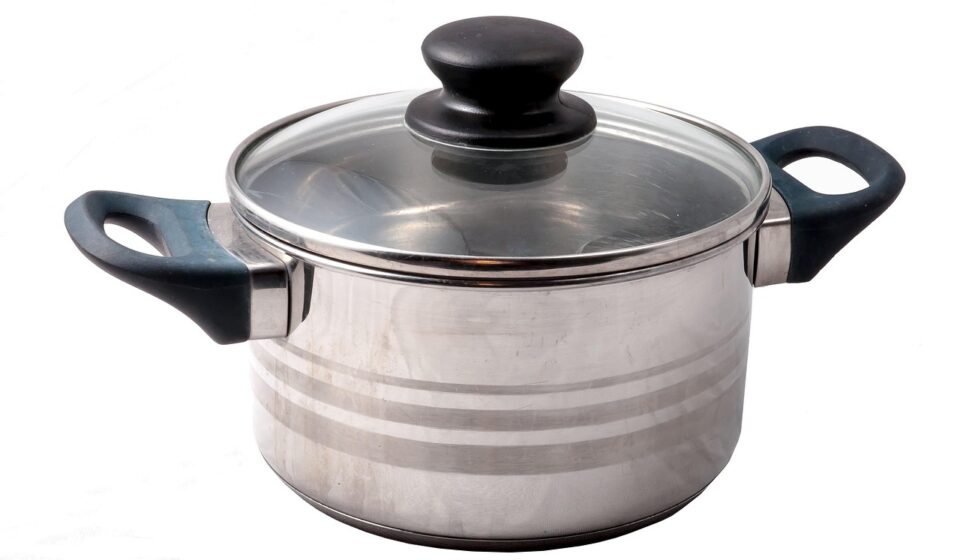
How to choose cookware that matches the way you cook
A useful cookware buying guide should not start with a 10-piece set. It should start with the heat source, pan material, coating, cleaning tolerance, and the foods cooked most often. Stainless steel works well for browning, boiling, and acidic sauces. Cast iron and carbon steel reward users who are willing to season and dry pans properly. Nonstick is useful for eggs and delicate fish, but it has a shorter service life. Copper and aluminum respond quickly to heat, but they need a food-safe lining or compatible construction for many cooking tasks. The practical goal is not to own every pan type. It is to build a small, durable set that covers daily cooking without creating avoidable safety, storage, or maintenance problems.
For more equipment-focused comparisons, see our buying guides.

Start with material, not brand claims
Cookware materials behave differently because they transfer, retain, and recover heat in different ways. Marketing copy can make nearly any pan sound versatile, but the material usually determines whether a pan is forgiving, fast, heavy, reactive, easy to clean, or suitable for high heat.
| Material or construction | Where it performs well | Main limitations | Good first use case |
|---|---|---|---|
| Stainless steel with aluminum or copper core | Browning, pan sauces, boiling, acidic foods, everyday cooking | Food can stick without proper preheating and oil; cheap thin bases may warp | A 10- or 12-inch skillet and a medium saucepan |
| Cast iron | Searing, baking, heat retention, stovetop-to-oven cooking | Heavy, slower to heat, requires seasoning care, can react with long acidic cooking | A skillet for steaks, cornbread, roasting, and shallow frying |
| Carbon steel | High-heat sautéing, eggs after seasoning, stir-fry style cooking | Needs seasoning, can rust, usually less forgiving for beginners | A lighter alternative to cast iron for skillets and woks |
| PTFE nonstick | Eggs, pancakes, delicate fish, low-fat cooking | Shorter life, heat and scratch sensitivity, not ideal for hard searing | One inexpensive skillet treated as a replaceable tool |
| Ceramic-coated nonstick | Low-to-medium heat release without PTFE | Release often declines with use; still a coating, not solid ceramic | A pan for users who want nonstick behavior but avoid fluoropolymer coatings |
| Copper or aluminum | Fast temperature response and even heating | Needs lining, anodizing, cladding, or another food-contact surface for many uses | Specialty pieces for cooks who value temperature control |
For most home kitchens, fully clad stainless steel or a thick encapsulated-base stainless pan is the most versatile foundation. It tolerates metal utensils better than coated pans, handles acidic foods better than bare iron, and can last for years if the base stays flat and the handles remain secure.
Match the pan to the heat source
Heat source is a buying filter, not an afterthought. Gas offers responsive visual control, but narrow flames can create hot spots. Electric coil and radiant glass cooktops need flat bases for steady contact. Induction requires magnetic cookware, usually a magnetic stainless exterior or an iron-based pan. A quick magnet test on the base is a useful first check, but buyers should still confirm the maker’s induction marking because some pans use small magnetic disks that may heat unevenly.
Oven and broiler use need separate checks. A stainless skillet may be oven-safe, while a silicone handle sleeve, glass lid, or nonstick coating may carry a lower temperature rating. Broilers are especially demanding because heat comes from above and can damage coatings, knobs, or handles that are safe only at moderate oven temperatures.
Cooking style matters as well. If you often sear meat, buy at least one pan that tolerates high heat and gives good surface contact. If you cook tomato sauces, wine reductions, or lemon-heavy dishes, stainless steel or enameled cast iron is more practical than bare cast iron. If breakfast eggs are a priority, one nonstick skillet may save time even if it is not the longest-lasting pan in the kitchen.
Check safety signals before comparing price
Safety claims should be specific. In the United States, the FDA, EPA, USDA Food Safety and Inspection Service, American Cancer Society, and NSF materials guidance provide useful public reference points for cookware-related concerns. These sources do not make every product choice simple, but they help separate practical risk checks from vague fear-based marketing.
Lead is one of the clearest red flags. The FDA has warned that certain imported cookware made from aluminum, brass, and aluminum alloys known by names such as Hindalium, Hindolium, Indalium, or Indolium may leach lead into food when used for cooking. The same caution applies to decorative ceramics, traditional pottery, or unlabeled pieces that are not clearly sold as food-safe cookware. Do not use decorative or uncertain items for cooking or food storage, especially for children, pregnant people, or frequent daily meals.
Nonstick safety needs a careful distinction. PTFE nonstick coatings are part of the broader PFAS discussion, but current regulatory explanations describe approved nonstick cookware coatings as polymerized and tightly bound, with negligible migration to food under evaluated uses. That does not mean coated pans should be treated casually. Avoid overheating empty nonstick pans, do not use them under a broiler unless the maker clearly allows it, and replace pans with peeling coating, deep gouges, or persistent flaking.
PFOA is also not the same issue as everyday use of a modern nonstick skillet. The EPA’s PFOA Stewardship Program pushed major companies to reduce PFOA emissions and product content and work toward elimination by 2015. However, older pans, imported articles, and unclear supply chains can still create uncertainty. If a pan relies on a coating, the label should identify the coating type, heat limits, utensil guidance, and care instructions.
Buy a working set, not a crowded set
Piece count can be misleading because lids, inserts, and utensils may be counted as separate pieces. A smaller group of well-chosen pans usually works better than a large boxed set with duplicate sizes and thin construction.
- A 10- or 12-inch stainless skillet for browning, sautéing, and pan sauces.
- A 2- to 3-quart saucepan for grains, sauces, reheating, and small batches.
- A 5- to 7-quart stockpot or Dutch oven for pasta, soups, blanching, and braising.
- One nonstick skillet if you regularly cook eggs, crepes, or delicate fish.
- One cast iron or carbon steel pan if you want stronger searing and are willing to season it.
- An enameled Dutch oven if you make stews, braises, bread, or acidic slow-cooked dishes.
This approach also reduces storage problems. Cookware that is too heavy, too large for the burner, or difficult to clean often stays in the cabinet. The right pan is not only technically capable; it is the pan that will be used on a normal weeknight.
Use a hands-on inspection checklist
Before buying, inspect the details that affect performance and service life. A pan should sit flat on the cooktop without rocking. Handles should feel secure, comfortable, and far enough from heat for the way the pan will be used. Rivets are durable but can collect residue. Welded handles are easier to clean, but the welds should look smooth and solid. Lids should fit without excessive gaps, especially for steaming, simmering, and rice. See also: lab instruments.
Thickness matters, but more weight is not always better. A very heavy pan may retain heat well but feel unsafe when full. A very light pan may be easy to lift but more prone to scorching and warping. Look for a balanced feel, a flat base, and clear use instructions. For coated pans, check whether the manufacturer limits dishwasher use, metal utensils, aerosol sprays, or high-heat preheating. Those limits are not small print; they describe how long the pan is likely to perform.
For induction, confirm compatibility before purchase. For oven use, check the lowest-rated component, not just the metal body. For glass cooktops, avoid rough or warped bases that can scratch or heat unevenly. For commercial or institutional kitchens, third-party food equipment standards such as NSF/ANSI materials standards may be relevant, but they are not a substitute for checking the exact product’s intended use.
Plan care and replacement before you buy
Maintenance is part of the purchase decision. Stainless steel usually benefits from preheating, adding oil after the pan warms, and deglazing stuck browned bits instead of scrubbing them aggressively. Cast iron and carbon steel should be dried promptly and lightly oiled as needed to protect seasoning. Enameled cast iron is easier with acidic foods but can chip if dropped or hit with metal utensils.
Coated nonstick pans should be treated as limited-life tools. Use low-to-medium heat for most tasks, avoid empty high-heat preheating, and choose wood, silicone, or nylon utensils. A ceramic-coated pan that has lost release may not be dangerous, but it may no longer justify its place in the kitchen. A PTFE-coated pan that is peeling, flaking, or deeply scratched should be replaced rather than scrubbed back into service.
Finally, remember that cookware does not measure doneness. The USDA Food Safety and Inspection Service emphasizes using a food thermometer to confirm safe internal temperatures for meat, poultry, fish, and leftovers. A heavy skillet can brown food beautifully while the center remains undercooked, so safe cooking still requires measurement when temperature matters.
Frequently asked questions
What cookware material should most people buy first?
Start with stainless steel with an aluminum or copper core because it handles the widest range of foods, including acidic sauces, browning, boiling, and oven finishing. Add specialized pans only after you know what task the stainless pan does not cover well.
Is nonstick cookware worth buying?
Yes, if you use it for the right jobs. A nonstick skillet is convenient for eggs, pancakes, and delicate fish. It is not the best choice for hard searing, broiling, or long service life. Buy one or two useful sizes rather than a full nonstick set.
How do I know if cookware works on induction?
The base must be magnetic and designed for induction. If a magnet sticks firmly to the bottom, the pan may work, but the manufacturer’s induction symbol or product specification is a better confirmation. A thick, flat base usually performs better than a thin magnetic disk.
Should I choose cast iron or carbon steel?
Choose cast iron if you want heat retention and do not mind weight. Choose carbon steel if you want a lighter pan that heats and cools faster. Both need seasoning and drying, so neither is ideal for someone who wants dishwasher-style convenience.
When should cookware be replaced?
Replace cookware when the base warps, handles loosen, enamel chips into the cooking surface, or nonstick coating peels and flakes. Also replace any item that may leach lead or was sold as decorative rather than food-safe. Durability matters, but food-contact safety comes first.