How to choose chemistry laboratory equipment for a safe and reliable lab
Start with the work, not the catalog
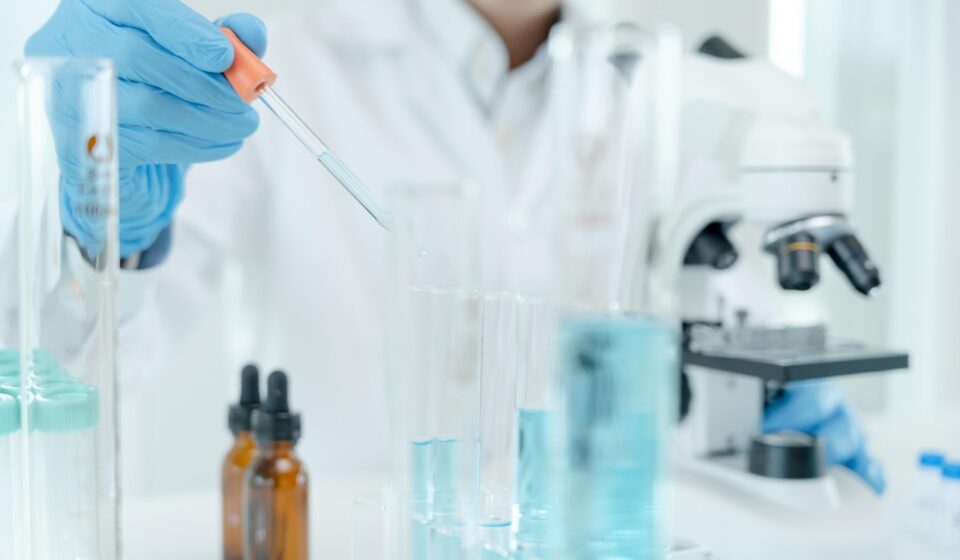
Choosing chemistry laboratory equipment should start with the lab’s actual work: the experiments performed, the chemicals handled, the hazards involved and the data that must be produced. A teaching lab running titrations does not need the same setup as a quality control lab validating release tests, and both differ from a synthesis lab working with volatile solvents. A sound purchase plan connects each item to a workflow: receiving chemicals, storing them safely, preparing samples, measuring results, documenting data and managing waste. It also checks utilities, ventilation, cleaning, calibration and operator training before a purchase order is placed.
For more procurement articles, visit the buying guides section.
Map the core equipment categories before comparing brands
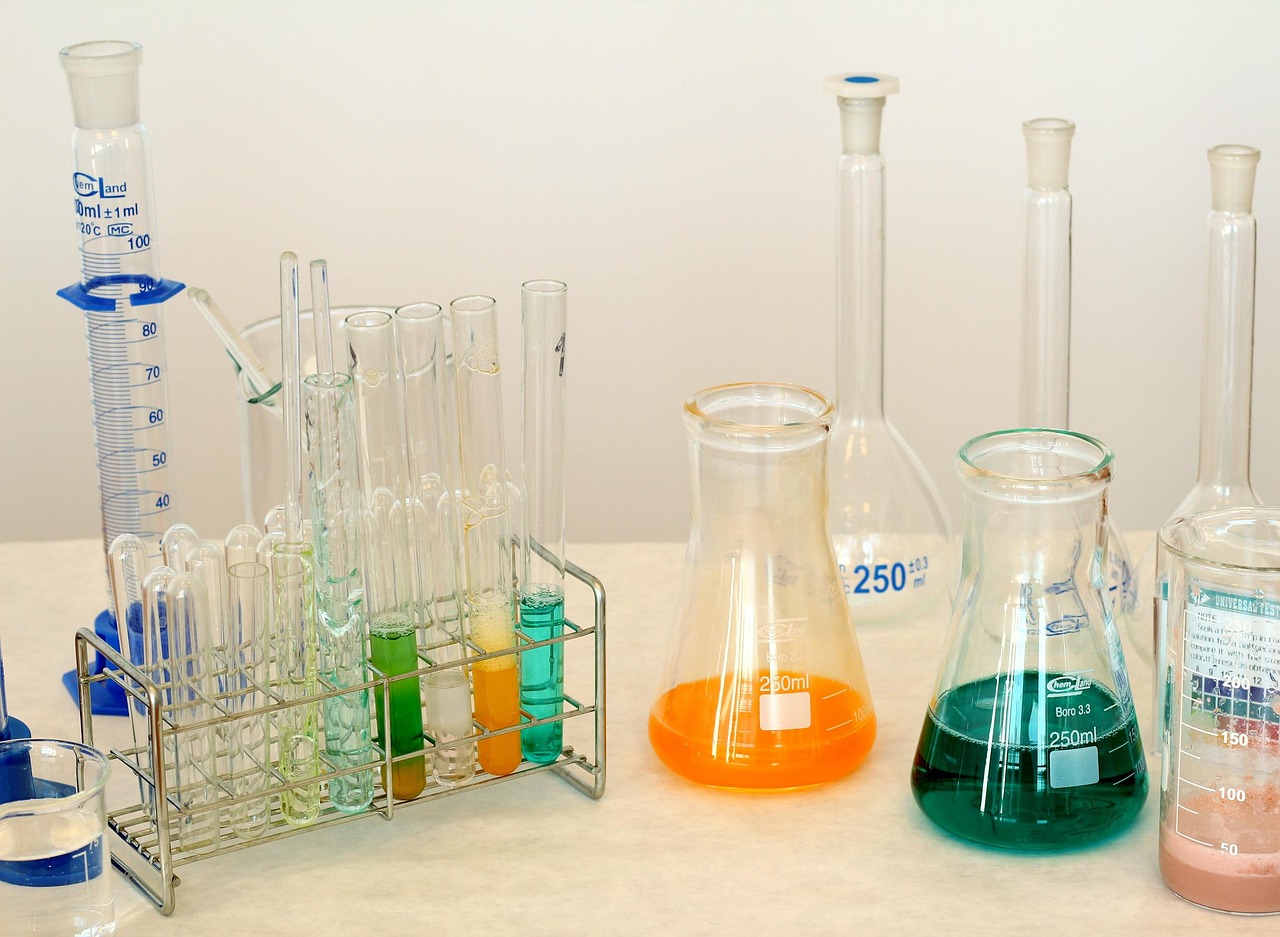
Most chemistry labs need equipment in several functional groups. The exact models and quantities depend on the method, sample load, regulatory environment and hazard profile. Mapping the categories first helps buyers avoid two common mistakes: ordering analytical instruments before basic safety systems are ready, or spending heavily on advanced equipment while underfunding sample preparation and documentation.
| Category | Typical examples | Buying focus |
|---|---|---|
| Safety and containment | Chemical fume hoods, eye wash stations, safety showers, spill kits, flammable or corrosive storage cabinets, PPE | Match the equipment to chemical hazards, ventilation design and emergency response procedures. |
| Basic measurement | Analytical balances, top-loading balances, thermometers, pH meters, conductivity meters, pipettes, burettes, volumetric glassware | Check range, readability, tolerance, calibration support and compatibility with the method. |
| Sample preparation | Hot plates, magnetic stirrers, centrifuges, ovens, vacuum pumps, filtration assemblies, sonicators, water purification systems | Review temperature control, chemical compatibility, throughput, maintenance needs and space. |
| Analytical instrumentation | UV-visible spectrophotometers, FTIR, HPLC, GC, ion chromatography, titrators | Buy only after defining target analytes, detection limits, sample matrix, method requirements and operator skill. |
| Documentation and quality control | Calibration records, logbooks, reference materials, software, labels, sample tracking tools | Support traceable records, controlled methods and repeatable results. |
A useful first exercise is to write down the lab’s top ten routine procedures and list every item needed to complete each one safely from start to finish. This often exposes hidden dependencies. A balance may need an anti-vibration table and a controlled environment. An HPLC system may require solvent storage, waste containers, compatible tubing and a service plan. A water bath may need cleaning controls to reduce contamination risk.
Put safety and compliance requirements ahead of convenience
Chemistry labs manage chemical exposure, fire, pressure, glass breakage and waste risks. In the United States, OSHA’s Laboratory Standard, 29 CFR 1910.1450, requires covered employers to develop and carry out a Chemical Hygiene Plan when hazardous chemicals are used in laboratories. OSHA’s Hazard Communication Standard also addresses labels, safety data sheets and training for hazardous chemicals. These requirements are not product recommendations, but they do affect what equipment a lab must have available and how that equipment is used.
For ventilation and chemical fire protection, buyers commonly review NFPA 45, the standard for fire protection in laboratories using chemicals. The 2024 edition includes updated material on laboratory ventilation systems and chemical fume hoods, including added attention to ductless chemical fume hoods. That does not mean every lab should buy a ductless hood. Selection should be based on the chemicals used, filter limitations, airflow verification, maintenance procedures and local safety review.
Eye and face protection should also be specified rather than treated as a commodity. ANSI/ISEA Z87.1 is a widely referenced U.S. standard for occupational and educational eye and face protection devices. For chemical splash risk, buyers should confirm the correct style and marking for the hazard instead of assuming standard safety glasses are suitable for every task. A face shield may add protection for certain splash or pressure risks, but it usually does not replace suitable goggles where goggles are required by the hazard assessment.
Do not use fume hoods as storage cabinets
Authoritative laboratory safety references, including the National Academies’ Prudent Practices in the Laboratory and university environmental health and safety programs, warn against cluttering chemical fume hoods with stored chemicals or unnecessary equipment. Clutter can disrupt airflow, reduce usable work space and make spills harder to control. When purchasing storage, plan dedicated cabinets for flammables, corrosives and other incompatible groups rather than using the hood as overflow space.
Choose specifications that match the method
Equipment specifications matter only when they are tied to a method or decision. A balance with greater readability is not automatically better if the method tolerance, sample size and environment do not support that level of measurement. A high-capacity centrifuge will not help if tube compatibility and rotor speed are wrong. A premium pH meter can still produce poor data if the electrodes are unsuitable for the sample matrix or are stored incorrectly.
When comparing chemistry laboratory equipment, evaluate these specifications first:
- Measurement range: The instrument must cover expected sample values with a suitable margin, but excessive range may reduce practical sensitivity.
- Resolution and accuracy: Check whether the stated accuracy is suitable for the method, not merely impressive in a brochure.
- Precision and repeatability: Routine QC work often depends on consistent results across operators and days.
- Chemical compatibility: Wetted parts, seals, tubing, probes and containers must tolerate the solvents, acids, bases or oxidizers used in the lab.
- Throughput: A small teaching lab may value simplicity; a production support lab may need autosamplers, faster stabilization or batch reporting.
- Utilities and environment: Check power, water, drainage, compressed gases, exhaust, temperature limits, humidity limits and bench loading.
- Software and data export: Confirm file formats, audit trail needs, user access control and backup procedures if regulated or accredited work is expected.
Before purchase, request the specification sheet, user manual, maintenance requirements and consumables list. If a supplier cannot provide these basic documents, the lab may face higher risk after installation.
Plan calibration, traceability and records from the beginning
Calibration is often treated as an afterthought, but it is central to reliable chemistry results. ISO/IEC 17025:2017, the international standard for testing and calibration laboratories, includes requirements related to equipment control, calibration and metrological traceability when equipment affects reported results. Even labs that are not accredited can apply the same principle: if an instrument influences a result, the lab should know its status, limitations and maintenance history.
Not every item needs the same level of control. A beaker used as a rough container is different from Class A volumetric glassware used to prepare standards. A display thermometer used for a noncritical water bath is different from a temperature probe used in a validated stability method. Calibration intervals should be based on the method, manufacturer guidance, frequency of use, environmental stress, historical drift and consequences of error. There is no universal interval that fits every lab.
For each critical item, record at least the equipment ID, location, responsible owner, acceptance criteria, calibration provider, calibration date, next due date, maintenance actions and out-of-service status. Labels should be easy to read and should not interfere with cleaning or safe operation. If an item is damaged, overdue or suspected of producing unreliable results, it should be removed from service until it is reviewed.
Evaluate total cost of ownership, not only purchase price
The lowest quote can become expensive if the equipment requires frequent repairs, proprietary consumables, specialized utilities or long downtime. Total cost of ownership is especially important for analytical instruments, ventilation systems, water purification units, balances and temperature-controlled equipment. See also: lab instruments.
Before buying, estimate the following costs over the expected service life:
- Installation, site preparation and utility upgrades
- Shipping, rigging and insurance for large or delicate equipment
- Consumables such as columns, lamps, filters, electrodes, standards, gases and tubing
- Preventive maintenance and service contracts
- Calibration, qualification or performance verification
- Training for operators and maintenance personnel
- Software licenses, data storage and cybersecurity review
- Waste handling and disposal linked to the method
- Expected downtime and availability of spare parts
For complex instruments, ask whether service is available locally, whether the manufacturer still supports the model, and how quickly critical parts can be delivered. A used instrument may look attractive, but if lamps, pumps, detectors or control software are obsolete, the apparent saving can disappear quickly.
Decide when used, refurbished or new equipment makes sense
Used and refurbished equipment can be practical for some chemistry labs, but the risk level varies widely. Durable noncritical items, such as some glassware, clamps, stands and basic stirrers, may be easier to inspect. Critical measurement equipment and safety equipment require far more caution.
Refurbished analytical instruments should come with clear information about age, service history, replaced components, software version, installation requirements and warranty. The buyer should confirm that the instrument can pass the lab’s intended performance checks, not just that it powers on. For regulated, accredited or customer-audited work, documentation quality may be as important as mechanical condition.
Safety equipment deserves the most conservative approach. Chemical fume hoods, storage cabinets, pressure vessels, gas regulators and emergency equipment should be evaluated against applicable standards, installation conditions and inspection requirements. A bargain is not a bargain if the lab cannot verify safe performance.
| Purchase type | Better fit | Higher caution |
|---|---|---|
| New | Critical instruments, safety systems, high-throughput operations, warranty-sensitive labs | Higher upfront cost and potential lead time |
| Refurbished | Established analytical platforms with service records and warranty support | Confirm software, parts availability and performance testing |
| Used as-is | Noncritical accessories that can be inspected easily | Avoid for unverified safety-critical or data-critical equipment |
Use an acceptance checklist before the first sample run
Receiving the shipment is not the end of procurement. Every important item should go through an acceptance process before routine use. The level of formality depends on the lab, but the logic is the same: verify that the equipment delivered matches the order, is safe to install, performs as needed and has the documentation required for the lab’s records.
- Confirm the purchase scope: Compare model, serial number, accessories, manuals, software and consumables against the order.
- Inspect for damage: Record shipping damage, missing parts or visible defects before installation.
- Verify installation conditions: Check bench space, ventilation, electrical supply, gas supply, drainage and environmental limits.
- Document training: Operators should understand normal use, shutdown, cleaning, alarms and emergency actions.
- Run performance checks: Use appropriate standards, reference materials or manufacturer procedures to confirm the equipment meets intended use.
- Create a maintenance plan: Set responsibilities for cleaning, calibration, preventive maintenance and service calls.
- Control access if needed: For data-critical systems, define user roles, backups and record retention before routine work starts.
This acceptance step is where many procurement problems become visible. If a centrifuge arrives without the correct rotor, if a balance cannot stabilize on the selected bench, or if an instrument software package cannot export records in the required format, it is better to find out before the lab depends on the equipment for deadlines.
Frequently asked questions
What equipment is essential for a basic chemistry laboratory?
A basic chemistry laboratory commonly needs safety equipment, chemical storage, glassware, balances, temperature measurement, pH measurement, heating and stirring tools, sample preparation items and documentation controls. The exact list should be built from the lab’s procedures and chemical hazards rather than copied from a generic checklist.
Should a new lab buy analytical instruments first?
Usually no. Analytical instruments are useful only when the lab also has safe storage, ventilation, sample preparation tools, trained users, calibration records and waste procedures. Buying the instrument first can create delays if the site is not ready for installation or safe operation.
How often should chemistry laboratory equipment be calibrated?
Calibration frequency depends on the equipment, method, risk, manufacturer guidance, use frequency and past performance. Critical measuring equipment should have documented intervals and review rules. Noncritical items may need simpler checks, while instruments that affect reported results need stronger control.
Is refurbished laboratory equipment reliable?
It can be reliable when supplied with service history, replacement details, warranty support and successful performance verification for the intended method. Refurbished equipment is riskier when documentation is incomplete, software is unsupported or parts are difficult to obtain.
What is the biggest buying mistake for chemistry laboratory equipment?
The biggest mistake is treating equipment as isolated products instead of parts of a controlled workflow. A good buying decision considers the method, hazards, utilities, training, calibration, documentation, maintenance and long-term operating cost together.