Science lab apparatus buying guide for teaching, testing, and research labs
Quick answer for buyers
Choosing science lab apparatus should start with the work the laboratory has to perform, not with a catalog list. A teaching lab may need durable glassware, balances, hot plates, microscopes, and basic safety equipment. A testing or research lab may also require fume hoods, biological safety cabinets, centrifuges, incubators, cold storage, calibrated instruments, and documented maintenance. A sound purchase decision balances five factors: fit for the method, safety risk, measurement reliability, daily usability, and total cost over the equipment’s service life. In the United States, laboratories that use hazardous chemicals may also need a written Chemical Hygiene Plan under OSHA’s Laboratory Standard, so equipment choices should support the lab’s safety procedures rather than sit outside them. (osha.gov)
For additional procurement topics and related checklists, see our buying guides.

Start with the lab’s work, hazards, and measurement needs
Before comparing brands or specifications, define what the laboratory actually does. A general science classroom, a university teaching lab, a microbiology room, a chemical analysis lab, and a quality-control bench may all use the term “lab apparatus,” but their requirements can be very different.
Begin with a short workflow map. List the sample types, expected throughput, required measurements, reagents used, heating or cooling steps, waste streams, and storage conditions. Then mark the relevant hazards: corrosive chemicals, flammable solvents, sharps, aerosols, infectious materials, high-speed rotation, pressure, vacuum, UV light, or high temperature. This step helps avoid two common purchasing errors: buying equipment that is more advanced than the workflow requires, or choosing low-cost apparatus that cannot safely handle the real conditions of use.
For biological work, CDC and NIH biosafety guidance emphasizes that containment depends on practices, safety equipment, and facility safeguards. A biological safety cabinet, for example, is not simply a bench with airflow; it is a primary containment device when selected, installed, certified, and used correctly. (cdc.gov)
Core categories of science lab apparatus
A useful buying list groups apparatus by function. This makes gaps easier to spot and helps buyers avoid comparing unrelated items only by price.
| Category | Common examples | What to check before buying |
|---|---|---|
| Measuring and weighing | Balances, pipettes, burettes, thermometers, pH meters, conductivity meters | Accuracy, resolution, calibration options, operating range, readability, method requirements |
| Glassware and plasticware | Beakers, flasks, cylinders, test tubes, bottles, funnels, pipette tips | Chemical compatibility, volume markings, heat resistance, sterility needs, breakage risk |
| Heating and mixing | Hot plates, magnetic stirrers, water baths, heating mantles, vortex mixers | Temperature control, overheat protection, vessel size, surface material, ventilation needs |
| Separation and preparation | Centrifuges, filters, sieves, homogenizers, sonicators | Speed range, rotor type, sample containment, balance requirements, maintenance access |
| Containment and ventilation | Fume hoods, biological safety cabinets, glove boxes, splash shields | Hazard type, airflow certification, installation requirements, user training, service access |
| Storage and environmental control | Refrigerators, freezers, incubators, desiccators, drying ovens | Temperature uniformity, alarms, recovery time, sample value, backup plan |
| Safety and emergency equipment | PPE, eyewash stations, spill kits, fire blankets, sharps containers | Compatibility with hazards, accessibility, inspection schedule, local safety requirements |
This table is not a universal shopping list. It is a decision structure. A school laboratory may prioritize robust, easy-to-clean apparatus and simple demonstrations. A regulated testing lab may give more weight to traceability, preventive maintenance records, and method-specific tolerances.
How to evaluate quality before price
A low purchase price can be misleading if an item is inaccurate, difficult to clean, hard to service, or unsafe for the intended use. Quality should be judged against the task, not against a vague idea of premium equipment.
- Materials: Check whether glass, stainless steel, PTFE, polypropylene, ceramic, or coated surfaces are compatible with the chemicals, temperatures, and cleaning agents used in the lab.
- Measurement performance: For balances, pipettes, thermometers, and meters, review range, resolution, accuracy, repeatability, and the calibration procedure.
- Documentation: Useful documentation may include manuals, certificates, calibration records, maintenance instructions, and safety information.
- Serviceability: Consumables, seals, lamps, probes, rotors, filters, gaskets, and sensors should be available for the expected lifetime of the apparatus.
- Ergonomics: Heavy lids, unclear displays, awkward cleaning, or poor access can reduce compliance with safe procedures.
Calibration deserves special attention. NIST explains that metrological traceability is a property of a measurement result, not simply of an instrument or a certificate. In practical buying terms, ask how an instrument will be calibrated, what uncertainty is acceptable for the method, and how records will be maintained. (nist.gov)
Safety and compliance checks that affect the purchase
Some apparatus cannot be evaluated as a standalone item because performance depends on the room, utilities, exhaust system, training, and maintenance program. Fume hoods, biological safety cabinets, autoclaves, centrifuges, gas cylinders, ovens, and cold storage units are typical examples.
For chemical work, check whether the apparatus supports the lab’s Chemical Hygiene Plan, including procedures, equipment, personal protective equipment, and work practices for the hazards present. OSHA’s Laboratory Standard links the plan to the specific workplace, which means a generic equipment list is not enough for a lab using hazardous chemicals. (osha.gov)
For microbiological work, risk assessment should guide the selection of primary barriers such as biological safety cabinets and PPE. CDC laboratory biosafety resources note that biological safety cabinets need testing and certification at least annually to confirm safe performance. (cdc.gov)
Also review practical safety details before purchase. Does the centrifuge have lid locking and rotor compatibility? Does the heating device have over-temperature protection? Will a refrigerator store flammable materials, ordinary samples, or temperature-sensitive reagents? Is a vacuum system protected by traps or filters? These questions often reveal costs that are not visible in the initial quote. See also: lab instruments.
Budget for ownership, not just the invoice
The first price is only one part of the buying decision. A cheaper item may cost more if it uses expensive accessories, requires frequent service, or causes downtime. A more expensive model may be justified if it improves reliability, safety, or measurement confidence for high-value samples.
| Cost area | Why it matters | Questions to ask |
|---|---|---|
| Consumables | Tips, tubes, filters, probes, lamps, seals, and reagents may dominate long-term cost | Are consumables proprietary or widely available? |
| Calibration | Measuring devices may need scheduled calibration or verification | Who performs it, how often, and at what uncertainty? |
| Installation | Some apparatus needs exhaust, water, gas, drainage, power, or bench reinforcement | Are facility changes included in the budget? |
| Maintenance | Moving parts, sensors, filters, and seals wear over time | Are spare parts available locally and quickly? |
| Training | Incorrect use can damage samples, reduce accuracy, or create hazards | Is training included for operators and supervisors? |
| Downtime | Critical apparatus can stop a workflow when it fails | Is backup equipment or service response needed? |
A practical budget should include purchase price, delivery, installation, validation if required, accessories, calibration, maintenance, consumables, user training, and end-of-life disposal. This is especially important for apparatus that controls temperature, airflow, pressure, or measurement quality.
A practical buying workflow
Use a structured process instead of relying only on catalog descriptions.
- Define the application. Write down the method, sample type, operating range, throughput, and safety limits.
- Separate must-have and nice-to-have features. A must-have feature is required for safety, method performance, or compliance. A nice-to-have feature mainly improves convenience.
- Check compatibility. Confirm chemical, thermal, biological, electrical, and software compatibility where relevant.
- Review documentation. Request manuals, safety information, calibration options, service intervals, and spare-part availability.
- Consider the room. Confirm bench space, ventilation, utilities, noise, heat output, vibration, and access for maintenance.
- Plan verification after delivery. Inspection, installation checks, calibration, user training, and acceptance testing should be assigned before the equipment arrives.
- Keep records. Maintain purchase records, manuals, calibration certificates, service reports, and training logs for apparatus that affects safety or data quality.
This workflow links purchasing to actual use. A lab that buys this way is less likely to accumulate underused equipment and more likely to identify when a lower-cost option creates risk in cleaning, calibration, certification, or workflow efficiency.
Frequently asked questions
What is the difference between lab apparatus and lab equipment?
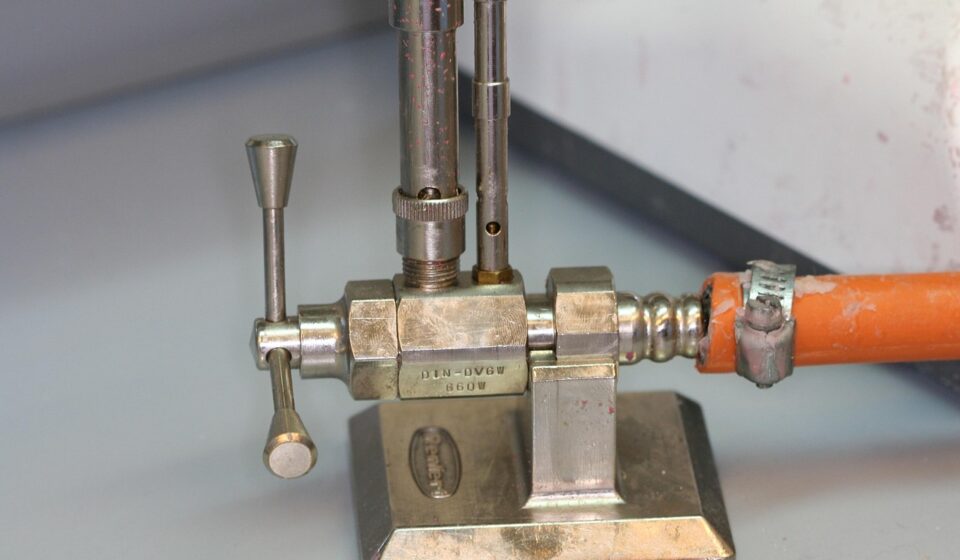
The terms often overlap. “Lab apparatus” commonly refers to the physical tools used to perform experiments or tests, such as glassware, burners, clamps, balances, and meters. “Lab equipment” is broader and often includes larger instruments, storage units, safety systems, and powered devices. In buying decisions, the distinction matters less than whether the item fits the method, hazard, and maintenance plan.
What science lab apparatus should a new teaching lab buy first?
A basic teaching lab usually starts with durable glassware or plasticware, measuring cylinders, balances, thermometers, hot plates or water baths, microscopes if biology is taught, clamps and stands, wash bottles, PPE, spill supplies, and clearly labeled storage. The exact list should follow the curriculum and the chemicals or specimens used.
When is calibration necessary?
Calibration is important when measurement results affect grades, research conclusions, product acceptance, regulatory reporting, or safety decisions. Balances, pipettes, thermometers, pH meters, conductivity meters, and pressure or temperature devices are common examples. For informal demonstrations, verification may be simpler, but the lab should still know the limits of the apparatus.
Should a lab buy used apparatus?
Used apparatus can be reasonable for non-critical tasks if it is complete, safe, serviceable, and compatible with the intended work. Be more cautious with equipment involving airflow, pressure, high speed, biohazards, electrical heating, or critical measurements. Buyers should confirm manuals, parts availability, inspection condition, and calibration or certification options before relying on used apparatus.
What is the most common purchasing mistake?
The most common mistake is buying for a catalog specification instead of a workflow. Apparatus should be selected only after the lab understands the method, sample volume, hazards, space, utilities, cleaning requirements, calibration needs, and ownership cost.