Science laboratory apparatus buying guide for safe and accurate lab work
How to choose science laboratory apparatus
Select science laboratory apparatus around the work the lab will actually perform, not around a generic starter list. A teaching lab, a quality control bench, and a research space may all use beakers, balances, thermometers, burners, and sample holders, but they often need different capacities, accuracy levels, materials, safety features, and documentation. A sound buying process starts with the experiment, identifies the measurement or handling task, checks chemical and heat exposure, and then confirms safety, calibration, maintenance, and storage requirements. For more procurement-focused articles, see our buying guides.
This article uses publicly available guidance from organizations such as OSHA, CDC/NIOSH, NIST, ISO, and ISEA as reference points. Buyers should still verify the current rule, standard, or institutional policy that applies to their own location and laboratory type before placing an order.
Start with the work the apparatus must support
The most common purchasing mistake is treating laboratory apparatus as a fixed checklist. A better approach is to group apparatus by function. Most science labs need tools for holding samples, measuring quantities, transferring liquids, heating or cooling materials, observing reactions, separating mixtures, protecting users, and documenting results. The right specification depends on what must be controlled and what can remain approximate.
For example, a beaker is useful for mixing and rough volume handling, but it is not the right choice when a method requires accurate volume delivery. A graduated cylinder provides a more reliable volume reading than a beaker, while a volumetric flask or pipette may be needed when the procedure depends on a defined concentration. Similarly, a classroom hot plate may be adequate for basic demonstrations, while repeatable work may require a temperature-controlled stirrer, water bath, or heating mantle.
Before requesting quotes, define four points for each apparatus group:
- Task: holding, measuring, heating, transferring, separating, observing, or protecting.
- Operating range: volume, mass, temperature, speed, pressure, or time range.
- Required precision: approximate demonstration, routine measurement, or documented analytical result.
- Operating environment: chemicals, heat, moisture, vibration, contamination risk, and available utilities.
Core apparatus categories and buying checks
A basic laboratory can contain dozens of apparatus types, but most purchases fall into several practical categories. The table below summarizes typical uses and the buying checks that help prevent mismatched or unsafe purchases.
| Apparatus category | Typical examples | Main use | Buying checks |
|---|---|---|---|
| Glassware and containers | Beakers, Erlenmeyer flasks, test tubes, watch glasses, reagent bottles | Mixing, heating, storage, and reaction observation | Confirm glass type, volume range, heat resistance, closure compatibility, and cleaning method. |
| Volume measurement | Graduated cylinders, pipettes, burettes, volumetric flasks | Measuring, dispensing, and preparing solutions | Check tolerance class, graduation readability, calibration status, and whether plastic or glass is suitable. |
| Mass measurement | Balances, weighing boats, spatulas, calibration weights | Weighing samples and reagents | Match readability to method needs, control vibration and drafts, and plan calibration or verification. |
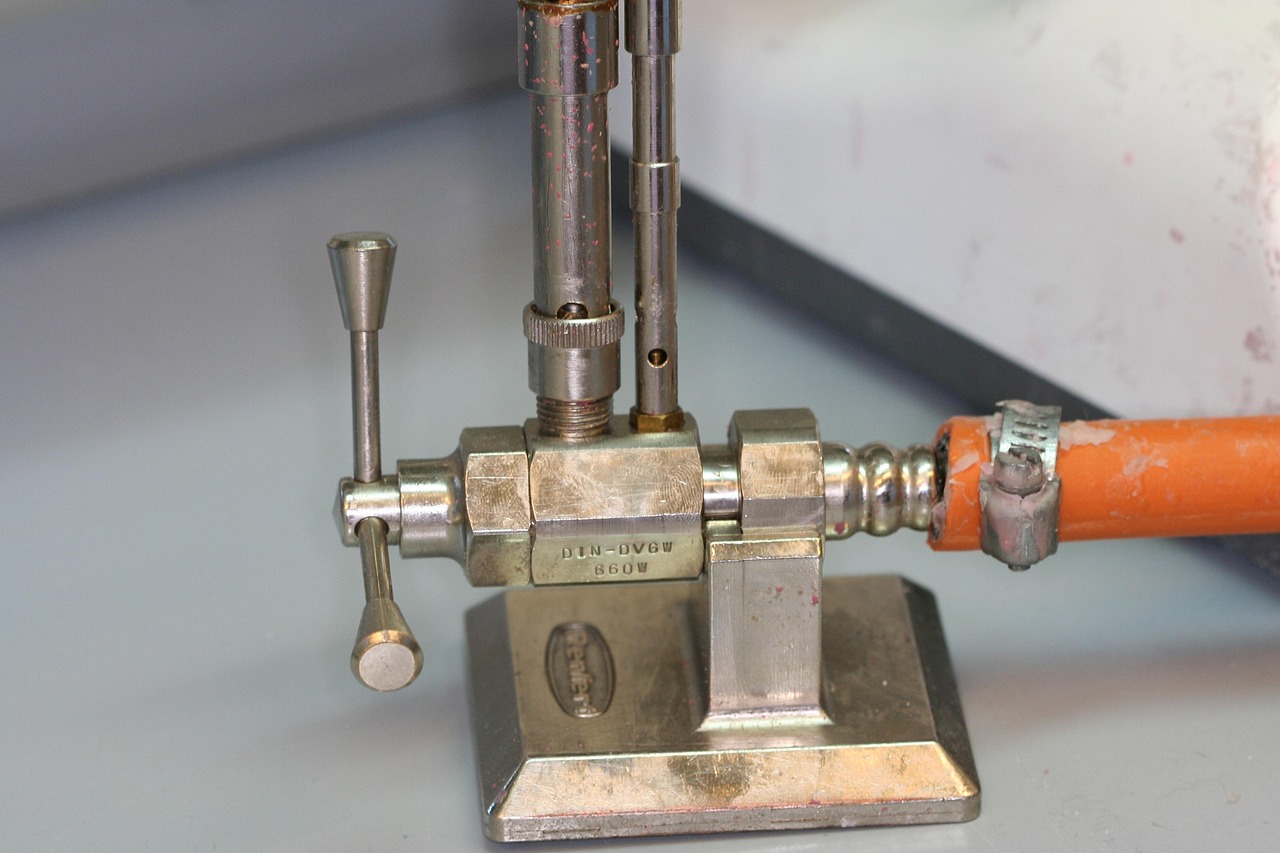
| Heating and temperature control | Hot plates, burners, heating mantles, ovens, water baths, thermometers | Heating, drying, incubation, and temperature monitoring | Review temperature range, uniformity, controls, electrical rating, flame policy, and over-temperature protection. |
| Support and handling | Ring stands, clamps, racks, tongs, forceps, funnels | Holding apparatus, transferring samples, and stabilizing setups | Check load capacity, corrosion resistance, stability, clamp size, and compatibility with bench space. |
| Separation and preparation | Filters, centrifuge tubes, sieves, mortar and pestle, separatory funnels | Filtering, grinding, settling, centrifuging, or separating phases | Confirm material strength, speed or pressure limits, chemical resistance, and waste handling needs. |
| Safety and exposure control | Goggles, gloves, fume hoods, splash shields, eyewash units, spill kits | Reducing exposure to chemical, biological, thermal, or mechanical hazards | Base selection on hazard assessment, applicable standards, training, inspection, and maintenance. |
This structure also helps buyers evaluate starter kits. A low-cost bundle may appear complete, but if it lacks accurate measuring tools, compatible holders, or required safety equipment, the lab may still need substantial follow-up purchases.
Accuracy and calibration matter more than item count
For many apparatus purchases, the key question is not how many items to buy but how accurate they need to be. Accuracy requirements affect the choice of balance, pipette, burette, thermometer, data logger, and volumetric glassware. Buying the highest specification for every item can waste budget, but using approximate tools for measurement-critical work can make results unusable.
NIST guidance on metrological traceability is useful here because it emphasizes that traceability is a property of a measurement result, not simply a label on an instrument. In practice, buyers should ask what calibration certificate, measurement uncertainty, service interval, and verification procedure will support the results the lab needs. ISO/IEC 17025:2017 is also widely used as a reference for testing and calibration laboratory competence, especially when results must be defensible outside the organization.
For routine educational demonstrations, exact traceability may not be necessary for every item. For regulated testing, quality control, or analytical work, it may be essential to document calibration, environmental conditions, software versions, and maintenance records. A balance with suitable readability can still perform poorly if it is installed in the wrong location. Air movement, bench vibration, temperature drift, and improper leveling can all affect weighing quality.
A practical approach is to divide apparatus into three groups. First are approximate tools, such as beakers and transfer pipettes used only for rough handling. Second are routine measuring tools, such as graduated cylinders or thermometers used for repeatable but non-critical work. Third are critical measuring instruments, such as analytical balances, calibrated pipettes, burettes, and thermometers used in methods where results depend on known uncertainty.
Materials, compatibility, and durability
Material selection affects safety, contamination risk, service life, and replacement cost. Borosilicate glass is commonly chosen for general laboratory glassware because it offers good thermal shock resistance compared with ordinary soda-lime glass, but it is not immune to breakage or chemical attack. Plastic apparatus can be lighter and less breakable, yet different polymers respond very differently to solvents, acids, bases, heat, and sterilization.
Common laboratory materials include polypropylene, polyethylene, PTFE, stainless steel, ceramic, rubber, silicone, and borosilicate glass. No single material is best for every chemical or temperature range. A container that works well with dilute aqueous solutions may deform under heat or swell when exposed to organic solvents. A metal clamp may be strong but vulnerable to corrosion in a humid or acidic environment. A rubber stopper may be convenient but unsuitable for certain solvents or high temperatures.
Before buying, compare the material with the chemicals and cleaning agents actually used in the lab. Safety data sheets, manufacturer compatibility charts, and institutional chemical hygiene procedures should be checked together. If samples are sensitive to trace contamination, also consider whether the apparatus can leach additives, shed particles, absorb compounds, or retain residues after washing.
Durability is not only about breakage. It also includes readable markings, stable graduations, smooth valve movement, resistance to repeated cleaning, and availability of replacement parts. For frequently handled items, the lowest initial price may not be the lowest cost if markings fade quickly, fittings crack, or accessories are difficult to replace.
Safety and compliance considerations before purchase
Safety should be part of the purchasing decision, not an afterthought. OSHA’s laboratory standard, 29 CFR 1910.1450, requires employers using hazardous chemicals in laboratories to develop and implement a written Chemical Hygiene Plan. That requirement is broader than apparatus purchasing, but it directly affects what apparatus, engineering controls, personal protective equipment, and emergency equipment a lab may need.
The CDC/NIOSH hierarchy of controls is a useful framework for choosing safety-related apparatus. It ranks control methods from more effective to less effective, with elimination and substitution above engineering controls, administrative controls, and personal protective equipment. In purchasing terms, a safer process, closed container, splash shield, ventilation system, or compatible dispensing device may reduce risk more reliably than relying only on gloves and goggles.
Emergency equipment should also be evaluated early. ANSI/ISEA Z358.1-2014, reaffirmed in 2020, is widely referenced for emergency eyewash and shower equipment. Where corrosive or otherwise hazardous materials are used, buyers should not simply choose a portable unit because it is convenient. They should confirm placement, water supply, flushing duration, inspection, maintenance, and local authority requirements before installation. See also: lab instruments.
Other safety checks include electrical certification, grounding, hot-surface protection, pressure limits, centrifuge rotor compatibility, glassware inspection, and safe storage for chemicals and sharps. If apparatus will be used by students or new staff, visibility, stability, simplicity, and supervision requirements matter as much as technical performance.
A procurement checklist for schools, teaching labs, and small labs
Smaller labs often work with tight budgets, limited storage, and users with different levels of experience. A structured procurement checklist can reduce waste and prevent last-minute purchases that bypass safety or quality review.
- Define the lab activity. List the experiments, demonstrations, or workflows the apparatus must support.
- Separate essential from optional items. Buy critical safety and measurement apparatus first, then expand convenience items later.
- Confirm capacity and range. Match volume, mass, temperature, speed, and sample count to the real workload.
- Check compatibility. Review chemicals, heat, cleaning methods, sterilization, and storage conditions.
- Review safety controls. Identify whether ventilation, shielding, PPE, spill response, eyewash, or training is required.
- Ask for documentation. Request manuals, calibration certificates where needed, conformity statements, maintenance instructions, and spare-part information.
- Plan installation. Confirm bench space, electrical rating, plumbing, ventilation, drainage, and waste handling before delivery.
- Budget lifecycle cost. Include consumables, replacement glassware, calibration, service, batteries, sensors, filters, tubing, and disposal.
- Inspect on arrival. Check cracks, missing accessories, unreadable graduations, damaged packaging, and model numbers against the purchase order.
- Record and label equipment. Keep asset IDs, calibration dates, maintenance logs, and user instructions accessible.
This checklist is especially important when building a new teaching laboratory. Apparatus that is too fragile, too complex, or too difficult to clean can slow down lessons and increase the supervision burden even if it appears suitable on paper.
Common buying mistakes to avoid
Buying by name instead of specification. Terms such as laboratory grade or professional grade are not enough. The purchase request should state capacity, tolerance, material, temperature range, power requirement, or other measurable criteria.
Using beakers as measuring instruments. Beaker markings are usually for approximate volume reference. If a procedure requires accurate volume, choose the correct graduated or volumetric apparatus.
Ignoring the environment. Balances, thermometers, incubators, and optical instruments can be affected by vibration, airflow, humidity, dust, heat, and direct sunlight.
Overlooking consumables and accessories. A centrifuge may require compatible tubes, rotors, adapters, and inspection tools. A pipette program may require tips, stands, cleaning supplies, and calibration service.
Assuming one material fits all chemicals. Plastics, elastomers, metals, and glass have different compatibility limits. Confirm the actual chemical and temperature exposure before purchase.
Leaving safety review until after delivery. Equipment that needs ventilation, plumbing, guarding, training, or emergency response planning should be reviewed before the order is placed.
Frequently asked questions
What is the difference between laboratory apparatus and laboratory equipment?
The terms often overlap. Apparatus usually refers to practical tools and setups used to perform experiments, such as glassware, clamps, burners, pipettes, and measuring devices. Equipment is often used more broadly and may include larger instruments, machines, furniture, ventilation systems, and digital systems.
Which science laboratory apparatus should a beginner lab buy first?
Start with apparatus tied to planned activities: basic glassware or plasticware, volume measurement tools, weighing tools, thermometers, support stands, transfer tools, storage containers, and required safety equipment. Avoid buying large assortments until the lab has mapped the experiments, hazards, and measurement requirements.
When does apparatus need calibration?
Calibration is important when the apparatus produces measurements that affect conclusions, quality decisions, regulatory records, or safety limits. Balances, thermometers, pipettes, burettes, timers, pressure gauges, and data loggers may need calibration or verification depending on the method and required accuracy.
Is glass or plastic better for laboratory apparatus?
Neither is universally better. Glass is often preferred for heat resistance, visibility, and some chemical uses, while plastic can reduce breakage and weight. The better choice depends on chemicals, temperature, cleaning method, contamination risk, durability, and disposal requirements.
How can buyers reduce cost without sacrificing safety?
Standardize sizes, avoid unnecessary high-precision items, buy durable support hardware, maintain spare parts, and separate demonstration apparatus from measurement-critical apparatus. Do not reduce cost by removing required safety controls, documentation, or compatibility checks.