Used lab instruments buyer checklist for calibration, safety, and documentation
Used lab instruments can be a good decision when evidence comes first
Used lab instruments can help control capital spending, extend equipment life, and shorten setup time for new or expanding labs. The purchase decision, however, should not be based on price alone. The central question is whether the instrument can produce defensible results for its intended use.
A sound purchase is backed by clear specifications, maintenance history, calibration evidence, safety status, software and parts availability, and a realistic plan for incoming qualification. A poor purchase often looks attractive because the listing price is low, but missing records, obsolete consumables, locked software, freight damage, or contamination risk can make it costly later.
This checklist is written for laboratories, buyers, educators, and procurement teams comparing used lab instruments across research, testing, quality control, and teaching environments. For related industry coverage, visit the lab instruments section.
Start with the intended use, not the available inventory
The first mistake in buying used equipment is starting with a bargain listing instead of a use case. The same instrument may be a sensible purchase for training or non-critical screening and a poor fit for a regulated release test. Before reviewing sellers, define the method, sample type, throughput, accuracy needs, operating environment, and data requirements.
For example, a used analytical balance may be acceptable for teaching if it powers on, stabilizes, and can be serviced locally. In a calibration or quality control laboratory, the same balance may need a documented calibration certificate, environmental controls, uncertainty evaluation, and evidence that it remains suitable at the actual weighing range. A used HPLC system may support method development, but it can be difficult to justify for regulated testing if detector performance, pump pressure stability, autosampler precision, software licensing, or audit trail support cannot be confirmed.
- Define the measurement requirement: range, resolution, accuracy, repeatability, detection limit, and sample compatibility.
- Define the workflow: daily throughput, cleaning time, consumables, accessories, and operator skill level.
- Define the compliance context: research use, teaching use, internal screening, accredited testing, pharmaceutical QC, or other regulated work.
- Define the acceptance test: what must the instrument demonstrate after delivery before it enters service?
This discipline helps avoid a common procurement problem: buying a technically impressive instrument that cannot be installed, supported, calibrated, or documented for the work the lab actually performs.
Understand the difference between used, refurbished, and reconditioned
The used equipment market uses terms that are not always applied consistently. A used instrument may simply have been removed from a working laboratory and sold as-is. A refurbished instrument may have been inspected, cleaned, repaired, recalibrated, or supplied with a limited warranty, but the scope varies by seller. Reconditioned can imply deeper restoration, but it still needs written detail. Buyers should treat these terms as starting points, not proof.
| Listing term | What it may mean | What to verify |
|---|---|---|
| Used | Previously owned and sold in current condition | Operational status, missing parts, service history, contamination status |
| Tested | Basic power-on or limited function check | Which functions were tested, test conditions, date, operator, and results |
| Refurbished | Inspected or repaired before resale | Parts replaced, calibration status, warranty scope, and exclusions |
| Certified | Seller has applied an internal certification process | Certification criteria, whether an accredited calibration is included, and whether it applies to your method |
If a seller cannot explain what work was performed, who performed it, and what evidence supports the claim, the label should carry little weight. A detailed service report is more valuable than a marketing adjective.
Build a documentation file before purchase
Documentation is where many used lab instruments either pass or fail due diligence. In regulated or quality-driven laboratories, an instrument without records may create more work than it saves. The U.S. FDA Good Laboratory Practice equipment provisions in 21 CFR Part 58.63 require written standard operating procedures for routine inspection, cleaning, maintenance, testing, calibration, or standardization, along with written records of those activities, including dates and nonroutine repairs. Even when a buyer is not operating under GLP, this is a useful model for judging whether equipment history is credible.
Request documents before payment, not after delivery. If the seller cannot provide a complete file, ask whether the missing information can be addressed through incoming inspection, manufacturer support, third-party service, or calibration. Some gaps are manageable. Others should stop the purchase.
- Manufacturer, model number, serial number, configuration, firmware, and software version.
- Clear photos of nameplates, ports, chambers, rotors, lamps, detectors, probes, accessories, and visible wear points.
- Recent service history, including dates, faults, repairs, replaced parts, and technician notes.
- Calibration certificates, if applicable, including measurement points, uncertainties, environmental conditions, and due dates.
- Installation qualification, operational qualification, or performance qualification records when relevant to the lab use.
- Decontamination statement for instruments exposed to biological, chemical, radioactive, or hazardous materials.
- Manuals, cables, software media, licenses, dongles, columns, pumps, probes, adapters, and fixtures included in the sale.
- Statement of warranty, return window, freight responsibility, and whether damage in transit is covered.
A practical rule is simple: if the instrument will be used to support decisions, the records must support the instrument.
Calibration and qualification are related, but not interchangeable
Calibration, metrological traceability, qualification, and method suitability are often discussed together, but they serve different purposes. NIST describes metrological traceability as requiring an unbroken chain of calibrations to specified reference standards, with each link contributing to measurement uncertainty. NIST also emphasizes that traceability is a property of a measurement result, not a general badge attached to an instrument forever. A past calibration certificate is useful evidence, but it does not automatically prove that a used instrument is fit for a new lab, a new method, or a new measurement range.
ISO/IEC 17025:2017, the international standard for testing and calibration laboratories, was published in 2017 and reviewed and confirmed in 2023. ISO describes the standard as setting requirements for competence, impartiality, and consistent laboratory operation. For buyers, the practical implication is that equipment control is part of producing reliable results. A used instrument can fit into a competent system, but its performance still needs to be verified and controlled after installation.
| Term | What it answers | Why it matters for used instruments |
|---|---|---|
| Calibration | How does the instrument compare with a reference under stated conditions? | Shows measurement performance at specific points and dates. |
| Traceability | Can measurement results be related to recognized standards through a documented chain? | Supports confidence in reported results, but must include uncertainty and context. |
| Qualification | Is the instrument installed and operating as intended? | Confirms that shipping, installation, utilities, accessories, and software did not compromise function. |
| Method verification | Does the complete method work in this lab for this sample type? | Connects instrument performance to the actual analytical or testing workflow. |
USP General Chapter <1058> on analytical instrument qualification also supports a risk-based, integrated approach that may include qualification, calibration, validation, and maintenance to demonstrate fitness for purpose. This is especially useful when deciding how much incoming testing is appropriate. A simple hot plate does not need the same qualification burden as a chromatograph used for release testing.
Inspect safety risks that listings rarely describe well
Safety evaluation should be separate from price negotiation. Used lab instruments can carry hidden hazards from prior use, stored energy, high voltage, pressure, vacuum, radiation, lasers, chemicals, biological materials, refrigeration systems, or damaged mechanical parts. A clean exterior does not prove that internal surfaces, tubing, chambers, filters, or rotors are safe.
OSHA laboratory standard 29 CFR 1910.1450 requires a written Chemical Hygiene Plan where hazardous chemicals are used, including procedures, control measures, and provisions to ensure that fume hoods and other protective equipment function properly. The CDC and NIH Biosafety in Microbiological and Biomedical Laboratories guidance also emphasizes effective decontamination of potentially infectious materials before disposal or transport in relevant contexts. For buyers, the lesson is to avoid assumptions about previous use.
- Centrifuges: inspect rotors, buckets, seals, imbalance detection, lid locks, corrosion, and service age. Rotor failure can be severe.
- Fume hoods and biosafety cabinets: resale value depends heavily on installation, airflow testing, filter condition, and certification after relocation.
- Autoclaves and pressure equipment: verify chamber condition, pressure safety devices, door interlocks, drain systems, validation history, and local inspection requirements.
- Analytical systems: check solvent paths, pumps, detectors, lamps, columns, gases, waste lines, and any residues from prior methods.
- Cold storage: review compressors, refrigerants, temperature mapping needs, alarms, gaskets, controllers, and recovery time after door opening.
- Electrical equipment: look for damaged cords, modified plugs, missing covers, heat marks, non-original components, and obsolete power requirements.
When the previous application involved infectious agents, radioisotopes, highly potent compounds, unknown samples, or corrosive materials, require formal decontamination evidence and consider independent inspection before accepting delivery. See also: buying guides.
Calculate lifecycle cost, not just purchase price
A used instrument with a low purchase price can still be expensive if the lab must pay for special freight, rigging, installation, proprietary software, replacement lamps, pumps, detectors, seals, columns, rotors, probes, batteries, filters, or manufacturer service. Lifecycle cost also includes downtime, staff training, validation, calibration, waste handling, and eventual disposal.
The U.S. EPA sustainable materials management guidance, updated in June 2026, presents a life-cycle perspective that includes raw material acquisition, manufacturing, production, use, reuse, maintenance, and waste management. Reusing laboratory equipment can align with that life-cycle thinking, but only when the instrument remains useful and supportable. Buying unsupported equipment that quickly becomes unusable may shift cost and waste downstream.
- Purchase price plus taxes, buyer premium, packaging, freight, insurance, and rigging.
- Installation costs, utilities, gases, ventilation, benches, vibration control, water quality, drains, or exhaust.
- Immediate parts replacement and preventive maintenance.
- Calibration, qualification, method verification, and documentation labor.
- Software license transfer, data system compatibility, cybersecurity review, and operating system support.
- Consumables availability and long-term service support.
- Expected downtime and backup plan if the instrument fails.
- End-of-life disposal, hazardous components, and decontamination.
For high-value analytical instruments, confirm whether the manufacturer or a qualified third-party provider still supports the exact model and configuration. The difference between supported and unsupported equipment can be larger than the purchase discount.
Know which categories are usually easier to evaluate
No category is automatically safe, but some used lab instruments are easier to inspect and qualify than others. Simple devices with visible condition, available parts, and straightforward calibration are generally lower risk. Complex systems with software dependencies, consumables, contamination pathways, or safety certification needs require more due diligence.
| Category | When used may make sense | Main caution |
|---|---|---|
| Balances and scales | Good records, stable readings, available calibration, suitable environment | Shipping damage, worn mechanisms, unrealistic readability claims |
| Ovens, incubators, and water baths | Temperature uniformity can be verified and controllers are serviceable | Sensor drift, corrosion, gasket failure, contamination |
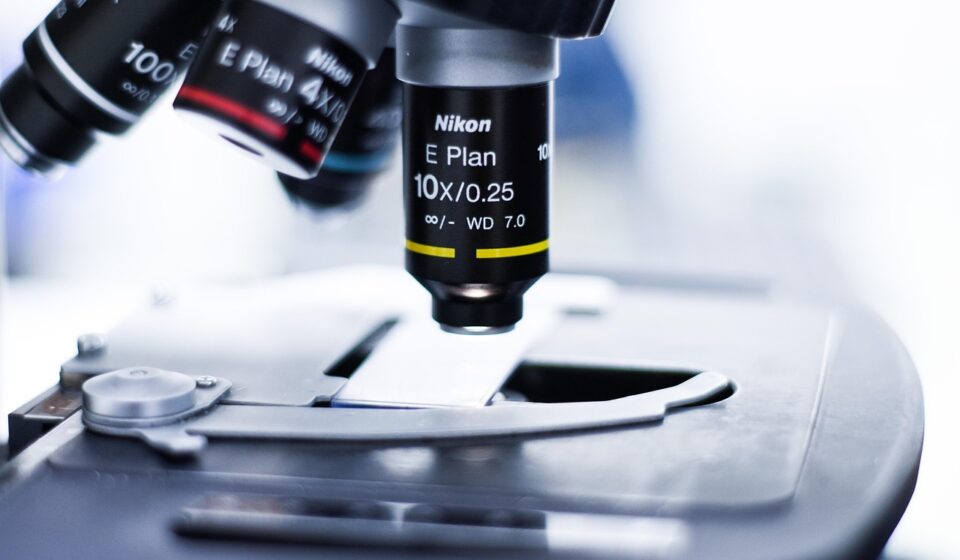
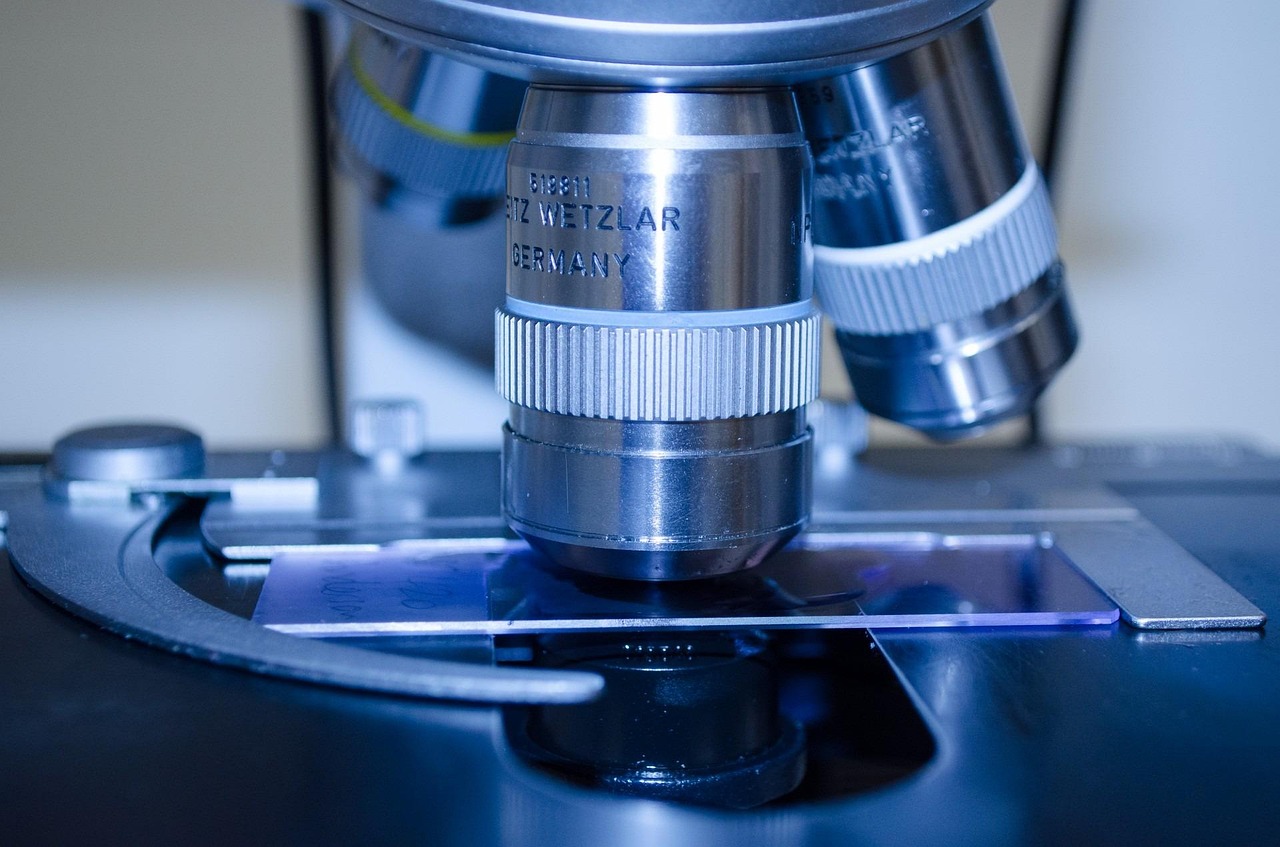
| Microscopes | Optics are clean, illumination works, and objectives match the application | Delamination, missing objectives, obsolete cameras or software |
| Centrifuges | Rotor condition and service status are well documented | Rotor fatigue, corrosion, lid lock failure, imbalance problems |
| HPLC, GC, UV-Vis, and similar analytical systems | Service history, accessories, software, and performance tests are available | Detector aging, leaks, software locks, missing modules, expensive consumables |
| Fume hoods and biosafety cabinets | Installation site can support proper testing and certification | Airflow performance depends on facility conditions after relocation |
| Autoclaves and pressure systems | Inspection history and safety devices can be verified | Pressure safety, validation, local requirements, chamber condition |
The more the equipment influences health, safety, regulatory decisions, or critical measurements, the less a buyer should rely on seller claims alone.
Use an incoming acceptance workflow
A disciplined intake process helps turn a used purchase into a controlled laboratory asset. The goal is to find problems before the instrument affects samples, data, staff safety, or schedules.
- Pre-shipment review: confirm model, serial number, configuration, accessories, condition photos, records, and decontamination status.
- Shipping plan: require appropriate packaging, shock protection, temperature considerations, insurance, and clear responsibility for freight damage.
- Receiving inspection: photograph packaging, check for impact damage, confirm accessories, and compare the shipment with the purchase agreement.
- Safety hold: do not place equipment into general use until electrical, mechanical, chemical, and biological concerns are resolved.
- Installation check: verify utilities, levelness, ventilation, environmental conditions, software access, and communication with connected systems.
- Functional test: run basic operational checks before formal calibration or qualification.
- Calibration or qualification: perform the level of testing appropriate to risk and intended use.
- Release decision: approve for use, approve with limitations, repair and retest, or reject.
- Asset control: assign an ID, maintenance interval, calibration interval, owner, location, and next review date.
This workflow is especially important for multi-module systems. A detector, pump, autosampler, column oven, workstation, and software license may each have a different failure mode, even though the lab experiences them as one instrument.
Frequently asked questions
Are used and refurbished lab instruments the same?
No. Used usually means previously owned, while refurbished suggests some level of inspection, repair, cleaning, or testing. Because the market does not apply these terms uniformly, buyers should ask for the exact refurbishment scope, replaced parts, test results, warranty terms, and calibration status.
Can used lab instruments be used in an ISO/IEC 17025 laboratory?
Yes, if the laboratory can demonstrate that the equipment is suitable for the intended work and is properly controlled. The issue is not whether the instrument is new or used; it is whether the lab has evidence for performance, calibration where required, maintenance, competence, and reliable operation within its quality system.
Do used instruments need a new calibration certificate?
Often, yes. A previous certificate may help evaluate history, but shipment, relocation, repair, environmental differences, and elapsed time can change performance. For measurement-critical equipment, plan for calibration or verification after installation and before routine use.
What is the biggest red flag when buying used lab instruments?
The strongest warning sign is missing evidence combined with high consequence. If the seller cannot confirm serial number, prior use, service status, accessories, software access, contamination status, or return terms, the buyer should either reduce the application risk, require independent inspection, or walk away.
Is buying used lab equipment always more sustainable?
Not always. Reuse can reduce the need for new manufacturing and extend asset life, but only when the equipment remains functional, maintainable, and appropriate. Unsupported instruments that quickly fail can create extra freight, repair waste, downtime, and disposal burdens.
Final takeaway
Used lab instruments are worth considering when the decision is based on evidence rather than price alone. The strongest purchases start with a defined application, continue through document review and safety screening, and finish with incoming qualification or verification. If the instrument can be supported, calibrated, documented, and safely placed into service, used equipment can be a responsible technical and financial choice. If those conditions cannot be met, the apparent savings may not survive first contact with real laboratory work.