Lab instruments and equipment selection guide for reliable testing workflows
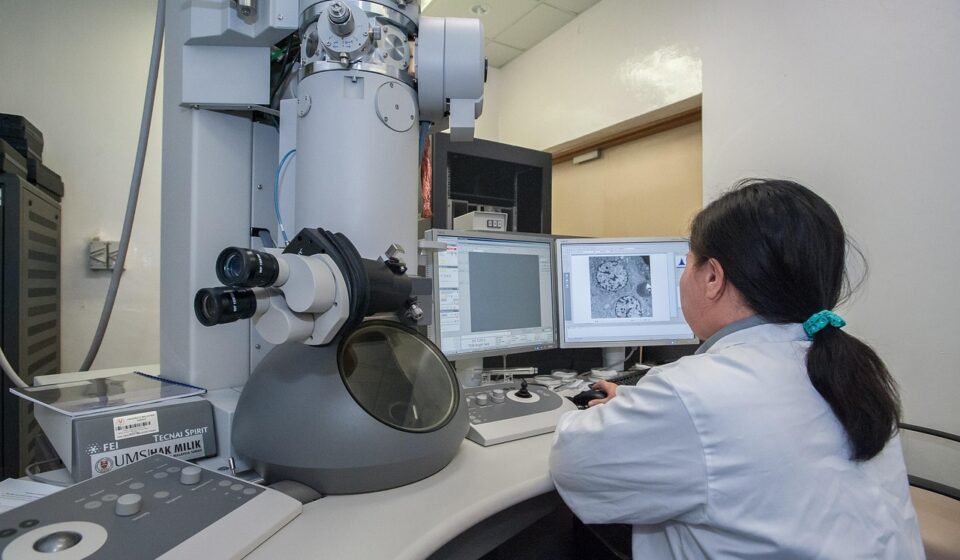
Reliable testing workflows depend on lab instruments that are suitable for the method, safe to use, and controlled throughout their service life. Selection should start with the test method, sample type, safety risks, data requirements, throughput, and maintenance burden, not with the instrument brochure. This guide explains how laboratories can evaluate core instrument categories, compare specifications, plan calibration and verification, and avoid common lifecycle mistakes. For related coverage, visit the lab instruments section.
What counts as lab instruments?
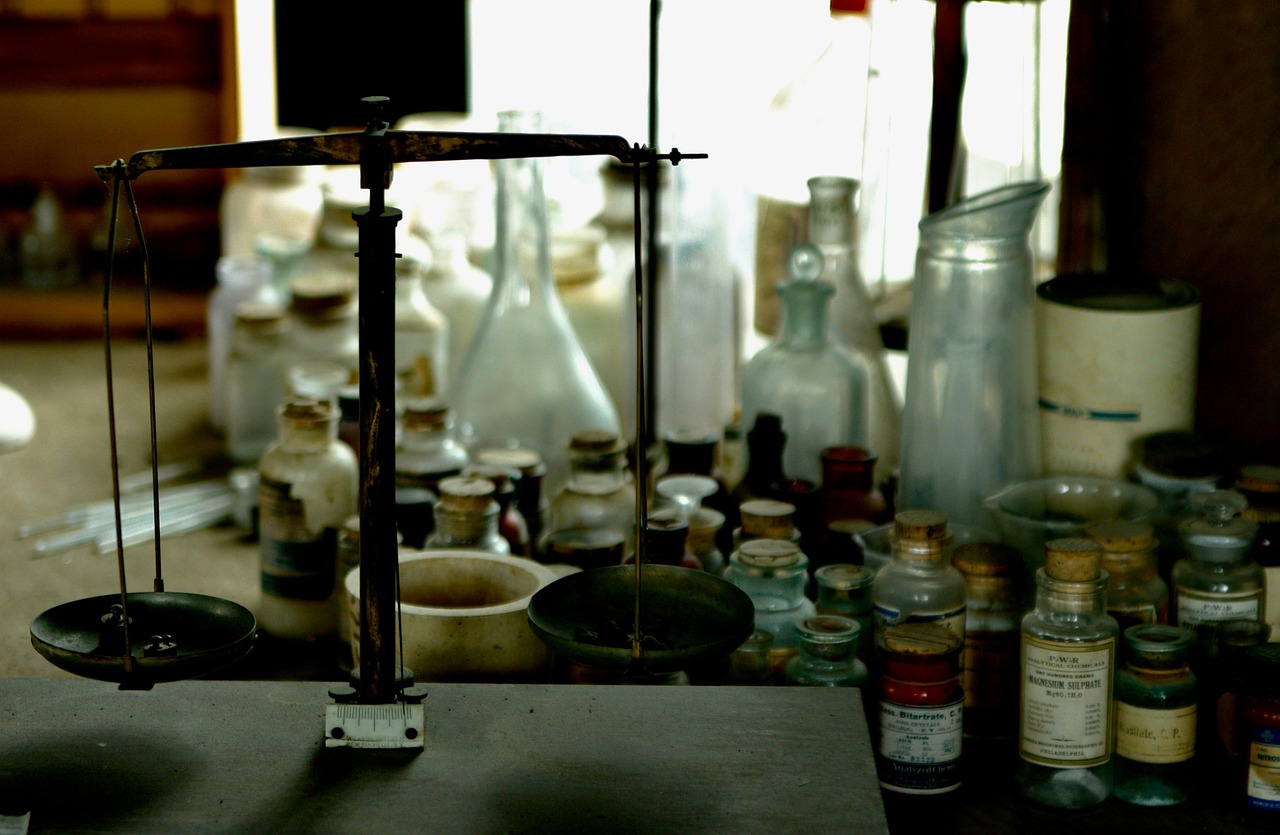
The term lab instruments covers equipment used to prepare samples, control conditions, measure physical or chemical properties, separate materials, detect analytes, document results, and protect personnel. In practice, the boundary between “instrument” and “equipment” is not always strict. A balance, centrifuge, incubator, microscope, spectrophotometer, autoclave, pipette, pH meter, water purification unit, and biological safety cabinet can all be part of the instrument system that supports testing.
For laboratories comparing lab instruments, the practical question is not simply: what should the lab buy? A better question is: which instruments are necessary for the laboratory’s intended methods, quality requirements, safety profile, staff capability, and throughput? A teaching laboratory, microbiology lab, analytical chemistry lab, clinical testing lab, environmental lab, and materials testing lab may share some basic tools, but their critical instruments and documentation requirements can differ significantly.
Widely used references such as ISO/IEC 17025:2017, OSHA’s laboratory standard, CDC and NIH biosafety guidance, WHO biosafety materials, NIST metrological traceability guidance, and CLSI quality management guidance all support the same practical principle: instrument selection should be linked to competence, safety, records, calibration, maintenance, and method performance.
Core categories of lab instruments and what they do
Most laboratories can group instruments by function. This makes it easier to avoid duplicate purchases, find weak points in the workflow, and plan support needs before equipment arrives.
| Instrument category | Typical examples | Main purpose | Key selection factors |
|---|---|---|---|
| Measurement and weighing | Analytical balances, top-loading balances, pH meters, conductivity meters, thermometers | Generate quantitative readings used in preparation, testing, and quality checks | Resolution, range, uncertainty, calibration plan, environmental sensitivity |
| Sample preparation | Centrifuges, homogenizers, mixers, vortexers, water baths, hot plates | Prepare samples before measurement or analysis | Capacity, speed, temperature control, aerosol risk, cleaning needs |
| Environmental control | Incubators, ovens, refrigerators, freezers, humidity chambers | Maintain defined storage or reaction conditions | Uniformity, stability, alarms, mapping, recovery time, monitoring records |
| Analytical detection | Spectrophotometers, chromatographs, microscopes, plate readers | Detect, identify, quantify, or characterize materials | Sensitivity, specificity, method compatibility, software controls, service access |
| Safety and containment | Fume hoods, biological safety cabinets, autoclaves, eyewash stations | Reduce exposure, contain hazards, or decontaminate materials | Hazard type, certification, airflow, validation, user training, emergency procedures |
| Data and workflow systems | Instrument software, LIMS connections, barcode systems, electronic logs | Capture, transfer, review, and retain data | Access control, audit trail needs, backup, compatibility, change management |
This functional view also supports budget planning. A high-end analytical instrument can fail to deliver value if the lab lacks stable power, suitable temperature control, sample preparation capacity, certified reference materials, trained operators, or a practical service plan.
How to choose lab instruments before comparing models
Instrument selection should begin with a written user requirement, even if the document is brief. It should describe what the laboratory needs the instrument to do, how often it will be used, who will operate it, which methods it supports, and what evidence will prove it is fit for use.
Start with method and sample requirements
The method should drive the instrument choice, not the other way around. Important questions include sample volume, matrix, expected concentration range, required detection limit, number of samples per day, temperature or humidity sensitivity, contamination risk, and cleaning requirements. For example, choosing a centrifuge is not only about maximum speed. Rotor type, tube compatibility, sealed buckets, braking profile, imbalance detection, and aerosol containment may matter more in routine workflows.
Check quality and accreditation expectations
ISO/IEC 17025:2017 is an international reference for testing and calibration laboratories that need to demonstrate competence, impartiality, and consistent operation. Even laboratories that are not accredited can apply its practical discipline: define requirements, use competent personnel, control equipment, maintain records, evaluate measurement uncertainty where relevant, and ensure results are technically valid.
For clinical and public health environments, CDC and APHL competency materials also treat equipment maintenance and calibration as part of laboratory quality management. CLSI QMS23, published in 2019, specifically addresses performance qualification, function checks, calibration verification, and preventive maintenance for general laboratory equipment. These references support a risk-based approach: the more a result depends on an instrument, the stronger the evidence should be that the instrument is suitable and controlled.
Evaluate serviceability, not only specifications
Specifications describe what an instrument may achieve under defined conditions. Serviceability determines whether it can keep working in a real laboratory. Before purchase, laboratories should check warranty terms, installation requirements, spare parts availability, service response time, software licensing, consumable costs, utilities, footprint, training needs, and decontamination requirements for repair or disposal.
A lower purchase price can become expensive if the instrument requires proprietary consumables, frequent service calls, long downtime, or complex validation after every repair. The better comparison is total cost of ownership, including installation, training, qualification, maintenance, calibration, consumables, energy use, software, and end-of-life disposal.
Calibration, verification, and maintenance are part of instrument performance
A common mistake is treating calibration as a purchasing afterthought. For many lab instruments, reliable results depend on a planned combination of calibration, performance verification, preventive maintenance, and documented user checks.
NIST guidance on metrological traceability emphasizes that traceability is a property of a measurement result, not a label that automatically belongs to an instrument. In practical terms, a laboratory needs an unbroken, documented chain of calibrations or reference values, with measurement uncertainty considered where applicable. This is why calibration certificates, reference materials, acceptance criteria, and environmental conditions matter.
Different instruments need different control strategies:
- Balances may require location control, leveling, internal or external calibration, routine check weights, cleaning, and protection from drafts and vibration.
- Thermometers and temperature-controlled equipment may require mapping, alarm checks, probe placement review, and periodic comparison with a calibrated reference.
- Pipettes may require gravimetric checks, leak checks, cleaning, seal replacement, and operator technique training.
- Centrifuges may require speed verification, rotor inspection, maintenance of seals or buckets, and documentation of service life for high-stress components.
- Spectrophotometers and plate readers may require wavelength checks, absorbance checks, lamp monitoring, cleanliness checks, and software control.
A useful rule is to separate calibration from routine verification. Calibration establishes a relationship to a recognized reference under defined conditions. Verification checks whether the instrument continues to meet defined acceptance criteria for the laboratory’s intended use. Both should be documented, but they serve different purposes.
Safety should influence instrument choice from the beginning
Laboratory safety is not only about personal protective equipment. Instruments can create or reduce hazards depending on how they are selected, installed, and used. OSHA’s laboratory standard, 29 CFR 1910.1450, requires a written Chemical Hygiene Plan when hazardous chemicals are used in a covered laboratory workplace. That plan must address procedures, control measures, protective equipment, training, and proper functioning of fume hoods and other protective equipment.
For biological work, the CDC and NIH Biosafety in Microbiological and Biomedical Laboratories, sixth edition, describes biosafety as a protocol-driven risk assessment rather than a single checklist. WHO’s Laboratory Biosafety Manual, fourth edition, also emphasizes risk assessment and equipment-specific controls. These references are especially relevant when selecting centrifuges, biological safety cabinets, autoclaves, incubators, sharps devices, and aerosol-generating equipment.
Safety-focused instrument questions include: See also: buying guides.
- Could the instrument generate aerosols, vapors, heat, pressure, radiation, noise, or moving-part hazards?
- Does the lab need containment such as a fume hood, biological safety cabinet, sealed rotor, splash shield, or interlock?
- Can the instrument be cleaned, disinfected, decontaminated, or sterilized without damaging critical parts?
- Are emergency shutoff, spill response, ventilation, and waste handling procedures clear?
- Do operators need documented training before independent use?
These questions should be answered before installation. Retrofitting safety controls after purchase is often harder than specifying them correctly at the start.
Data integrity and connectivity now matter for many lab instruments
Many lab instruments now generate electronic data, connect to networks, export files, or integrate with laboratory information management systems. This can improve efficiency, but it also creates new control needs. Data should remain attributable, legible, complete, accurate, and retrievable throughout its retention period.
Laboratories should review how each instrument handles user access, file naming, audit trails, time settings, data export, backup, software updates, and version control. A simple pH meter may only need a manual log and calibration record. A chromatograph, sequencer, or automated analyzer may require controlled user roles, validated calculations, secure data storage, and a documented process for software changes.
The data workflow should be tested before routine use. Can results be traced to the sample, operator, method, instrument, reagent lot, calibration status, and review decision? If not, the instrument may create hidden quality risks even if its analytical performance is strong.
A practical lifecycle checklist for lab instruments
The most reliable laboratories manage instruments across a lifecycle, not as isolated purchases. A clear lifecycle reduces downtime, prevents undocumented workarounds, and makes audits easier.
- Define the need. Document the method, sample type, throughput, performance requirements, safety needs, data requirements, and budget limits.
- Compare suitable options. Evaluate performance, usability, service, consumables, software, utilities, footprint, supplier support, and lifecycle cost.
- Plan installation. Confirm space, bench strength, ventilation, electrical supply, water quality, gases, drainage, temperature, humidity, and network access.
- Qualify or verify before use. Confirm that the installed instrument meets intended requirements. The level of qualification should match risk and method criticality.
- Train users. Keep records of who can operate, clean, maintain, troubleshoot, and approve results from the instrument.
- Control routine operation. Use standard operating procedures, logbooks or electronic records, acceptance criteria, and clear escalation rules for failures.
- Maintain and recalibrate. Follow manufacturer recommendations, method requirements, risk-based intervals, and observed performance history.
- Review performance trends. Use failures, service reports, quality control results, and downtime to decide whether intervals or procedures need adjustment.
- Retire responsibly. Decontaminate where needed, protect stored data, remove obsolete procedures, update inventories, and dispose of equipment according to applicable rules.
This lifecycle view is especially useful when budgets are tight. It helps distinguish a necessary instrument from an attractive but unsupported purchase, and it highlights the records needed to defend the reliability of results.
Common selection mistakes to avoid
The first mistake is buying for maximum specification rather than actual method need. Higher sensitivity, speed, capacity, or automation may add complexity without improving results if the method does not require it.
The second mistake is ignoring the environment. Balances, microscopes, incubators, refrigerators, and analytical detectors can be affected by vibration, heat, humidity, light, airflow, power quality, and user traffic. A suitable instrument in an unsuitable location may perform poorly.
The third mistake is separating safety, quality, and purchasing decisions. A buyer may focus on price, a scientist may focus on performance, and a safety officer may focus on controls. The best decision usually requires all three views before purchase.
The fourth mistake is weak documentation. If a laboratory cannot show when an instrument was installed, qualified, calibrated, maintained, repaired, checked, and used, it may struggle to defend the reliability of results. Documentation should be simple enough for daily use but complete enough to reconstruct critical events.
Frequently asked questions
What are the most basic lab instruments?
Basic instruments often include balances, pipettes, pH meters, centrifuges, hot plates, water baths, thermometers, refrigerators, freezers, microscopes, and safety equipment such as fume hoods or biological safety cabinets when hazards require them. The actual list depends on the laboratory’s methods and risk profile.
How often should lab instruments be calibrated?
There is no universal interval for all lab instruments. Calibration frequency should consider manufacturer recommendations, method requirements, instrument stability, risk to results, historical performance, environmental conditions, and applicable accreditation or regulatory expectations.
What is the difference between calibration and maintenance?
Calibration compares an instrument or measurement system with a recognized reference to establish the measurement relationship and, where applicable, uncertainty. Maintenance keeps the instrument in usable condition through cleaning, inspection, adjustment, replacement of parts, and service. Both activities may be necessary, but they answer different questions.
Should a small laboratory buy new or used lab instruments?
Used instruments can be suitable when they are serviceable, supported, safe, complete, and capable of meeting the method requirement after verification. Before buying used equipment, check software access, service history, availability of parts, decontamination status, calibration feasibility, and the cost of bringing it into controlled use.
Why is documentation so important for lab instruments?
Documentation connects the result to the instrument’s status at the time of use. It helps show that the instrument was appropriate, calibrated or verified as needed, maintained, operated by trained personnel, and not known to be out of control when results were produced.