Pressure testing equipment explained for hydrostatic, pneumatic and leak tests
Pressure testing equipment in practical terms
Pressure testing equipment is used to apply, control, measure and record pressure during hydrostatic, pneumatic and leak tests. A working setup is more than a pump connected to a gauge. It has to suit the test medium, pressure range, component volume, connection standard, acceptance criteria and safety risk of the job. A small laboratory pressure decay test, a hydraulic proof test on a machined component and a pneumatic leak check on process piping can call for very different hardware and procedures.
The main decision is not simply which pump has the highest pressure rating. The complete test system must be able to build pressure gradually, prevent overpressure, measure within a suitable calibrated range, isolate the test item, release pressure safely and produce a record that another person can review later. Public guidance from organizations such as NIST, OSHA, PHMSA, API and ASME points to the same underlying principle: pressure testing is a controlled engineering activity, not a quick functional check.
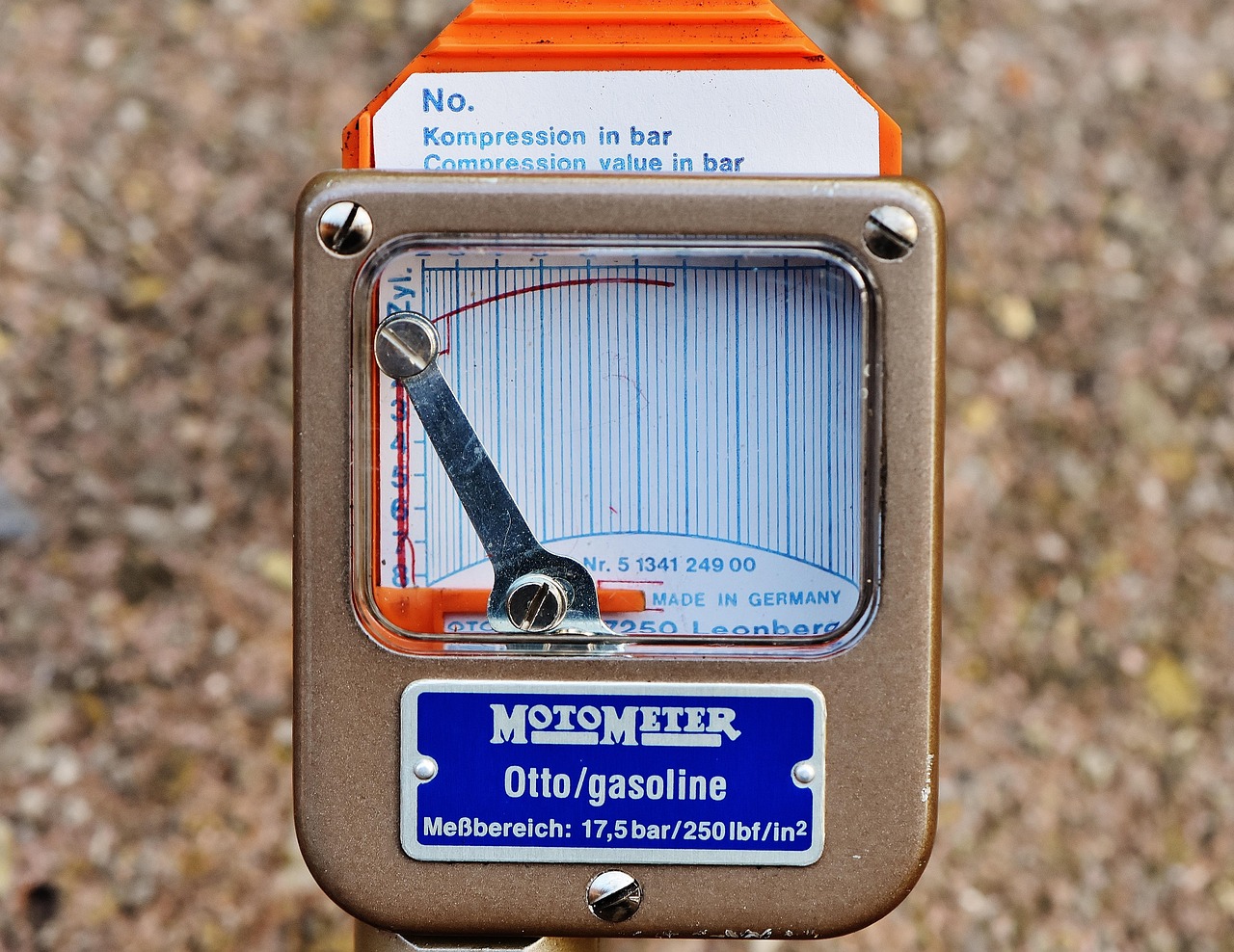
What pressure testing equipment actually includes
In industrial and laboratory use, pressure testing equipment usually means a complete test arrangement rather than one standalone device. The core pieces are a pressure source, a pressure measurement device, valves or regulators for control, compatible fittings and hoses, a safety relief path and a method for recording the result. Depending on the application, the system may also include filters, reservoirs, accumulators, temperature sensors, data loggers, protective barriers or remote controls.
A manual hydraulic test pump may be adequate for a small vessel, valve body or tube assembly. Larger volumes may need an electric or air-driven pump with controlled flow. Pneumatic tests may require a regulated gas supply, isolation valves, pressure-rated tubing and a vent arrangement that directs stored gas away from personnel. High-accuracy laboratory work may rely on digital pressure controllers, pressure transducers and software records rather than a simple dial gauge.
The table below shows how the main components support the test, not just what accessories can be added.
| Equipment element | What it does | Key selection question |
|---|---|---|
| Pressure source | Generates hydraulic, air or inert-gas pressure | Can it reach the required pressure smoothly for the test volume? |
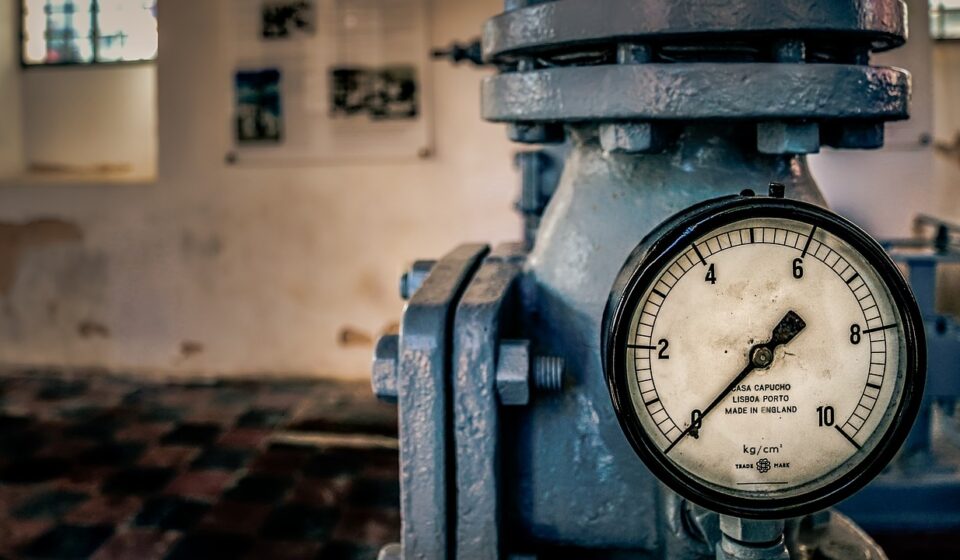
| Gauge or transducer | Measures the applied pressure | Is the calibrated range, accuracy and resolution suitable for the acceptance limit? |
| Regulator or control valve | Controls pressure rise, hold and release | Can the operator avoid sudden pressure changes? |
| Relief device | Limits accidental overpressure | Is it set below the weakest safe limit of the setup? |
| Hoses and fittings | Connect the pump, test item and instruments | Are pressure rating, material and thread form compatible? |
| Data record | Documents pressure, time and result | Will the record satisfy the procedure, customer or audit requirement? |
Hydrostatic, pneumatic and leak testing are not interchangeable
Many searchers use pressure testing equipment as a broad term, but equipment choice changes sharply with the test method. The same pressure value can create a different level of risk depending on whether the medium is water, oil, air, nitrogen or another gas. For that reason, the test plan should start with the method and acceptance criteria before hardware is selected.
Hydrostatic testing
Hydrostatic testing uses a liquid, often water, to pressurize a component or system. Because liquids are much less compressible than gases, a hydrostatic test generally stores less energy than a pneumatic test at the same pressure and volume. That does not make it harmless. A hose failure, fitting release or ruptured test item can still cause serious injury, equipment damage and flooding. For strength or proof testing, however, hydrostatic methods are widely used because they can demonstrate pressure integrity while reducing the stored-energy hazard compared with gas testing.
Typical hydrostatic pressure testing equipment includes a fill reservoir, pump, bleed point to remove trapped air, calibrated gauge or transducer, isolation valve, relief valve and drain path. The test item should be filled carefully, vented to remove air pockets and pressurized according to the applicable code, purchase specification or internal procedure. The acceptance result may be based on pressure hold, visible leakage, deformation, pressure loss or another defined criterion.
Pneumatic testing
Pneumatic testing uses air or inert gas. It is often selected when liquid contamination is unacceptable, drying would be difficult, freezing is a concern or the component is designed for gas service. The tradeoff is stored energy. Compressed gas can release rapidly if a part fails, which is why OSHA and API safety guidance treat pneumatic pressure testing as a higher-risk activity requiring strict controls.
A pneumatic setup normally needs a regulated pressure source, pressure-rated tubing, isolation valves, calibrated measurement, pressure relief, controlled venting and physical separation between the operator and the pressurized item. For higher pressures or larger volumes, remote pressurization, barriers and exclusion zones may be appropriate. The responsible engineer or competent person should define the procedure rather than leaving the method to field improvisation.
Leak testing and pressure decay testing
Leak testing may be performed at lower pressures than a strength test, but it still requires compatible equipment. Bubble testing, pressure decay testing and helium leak testing each answer a different question. A bubble test can reveal a visible leak path. A pressure decay test can quantify pressure loss over time under controlled conditions. Helium methods can detect smaller leaks when the procedure, instrument sensitivity and environment are suitable.
For laboratories, stability is often the limiting factor. Small volumes, changing temperature and flexible hoses can all affect pressure decay readings. A high-resolution sensor may show changes caused by thermal drift or trapped gas behavior rather than a true leak. Effective pressure testing equipment therefore needs both suitable hardware and a test method that controls variables.
How to select equipment without overbuying or under-specifying
Selection should begin with the test requirement, not a catalog rating. The required pressure, hold time, medium, allowable leakage, temperature, volume and documentation standard should be known before the equipment is chosen. If these inputs are missing, a setup may reach pressure but still fail to produce defensible data.
- Pressure range: The equipment should cover the required test pressure while leaving room for controlled operation. A gauge or sensor used near the edge of its range may be harder to read and less suitable for critical acceptance decisions.
- Accuracy and resolution: Higher accuracy is not always necessary, but measurement uncertainty should be small enough relative to the pass or fail limit. For regulated or audited work, calibration records should state uncertainty and traceability.
- Medium compatibility: Water, oil, compressed air, nitrogen and specialty gases can require different seals, fittings, cleaning practices and corrosion controls.
- Test volume: A large vessel, long line or manifold may need higher flow capacity for filling and pressurization. A very small component may need fine pressure control to avoid overshoot.
- Connection integrity: Thread type, seal method, hose rating and adapter quality often determine whether the test is safe and repeatable.
- Portability: Field teams may value rugged cases, battery-powered recorders and quick setup. Laboratory users may prioritize stability, automation and data export.
- Documentation: If results must support compliance, quality release or customer acceptance, the data record is part of the equipment system.
Readers comparing broader instrument topics can also browse the testing equipment category for related coverage.
Calibration, traceability and measurement records matter
Pressure testing depends on trust in the measurement. A pump can generate pressure, but the gauge or transducer tells the operator what pressure was actually applied. NIST describes metrological traceability as a property of a measurement result that connects it to a reference through an unbroken chain of calibrations, with each calibration contributing to uncertainty. In practical terms, an instrument sticker is not enough by itself. The user needs a calibration certificate, a defined range, stated uncertainty, date, environmental conditions where relevant and identification of the specific instrument or measurement channel.
NIST also lists pressure and vacuum calibration work across a wide range, including high-pressure capabilities up to 280 MPa. That public reference is a useful reminder that pressure measurement is a metrology discipline. The higher the risk or the tighter the acceptance band, the more important it becomes to understand the measurement chain rather than relying on a generic gauge. See also: buying guides.
A good pressure test record normally includes the procedure number, test item identification, test medium, target pressure, actual pressure, hold time, temperature when relevant, instrument serial numbers, calibration due dates, result, operator, reviewer and any deviations. For digital systems, the raw data file, sampling rate and software settings may also matter. For manual tests, the record should be clear enough for a reviewer to distinguish a stable hold from a pressure adjustment during the hold period.
Safety limits that should shape every test plan
Pressure testing equipment should never be selected only for performance. Safety controls are part of the specification. Public OSHA information on pressure vessels and compressed gas use emphasizes applicable standards, cylinder requirements and safe handling obligations. API inspection training material also highlights that pressure testing should be performed according to the construction code or standard for the item being tested and that equipment should include means to prevent overpressuring.
Several controls apply across most test environments. The test pressure and hold time should come from a code, standard, drawing, manufacturer instruction, contract or approved engineering procedure. The weakest part of the setup may be a hose, adapter, plug or temporary closure rather than the component being tested. A relief device should be considered wherever overpressure is credible. Operators should not tighten fittings, stand in line with plugs or place hands near suspect joints while pressure is applied. Depressurization should be gradual and verified before disassembly.
For pneumatic testing, stored-energy risk deserves special attention. Air or gas can propel fragments farther than water in many failure scenarios. Barriers, remote controls, exclusion zones and staged pressurization can reduce exposure. Compressed gas cylinders and regulators must be suitable for the gas and pressure, and in the United States cylinder use may also involve Department of Transportation requirements. Oxygen should not be treated as a general-purpose test gas because of combustion hazards unless a qualified procedure specifically addresses the application.
Hydrostatic testing has its own limits. Water quality, corrosion, freezing, trapped air, disposal rules and post-test drying can all affect the job. If a component cannot tolerate water, the decision to switch to a gas test should be an engineering decision, not a convenience choice. In some cases, alternative leak methods, lower-pressure preliminary tests or non-destructive examination may reduce risk while still meeting the intent of the inspection plan.
A practical checklist before buying or using a setup
Before choosing pressure testing equipment, confirm the following items in writing. This checklist is not a substitute for an applicable code or procedure, but it helps prevent common gaps between equipment capability and test intent.
- Identify the test type: hydrostatic strength, pneumatic strength, leak, pressure decay or functional pressure check.
- Confirm the required pressure, ramp rate, hold time and acceptance criteria.
- Define the test medium and verify material compatibility for seals, hoses and fittings.
- Check the pressure rating of every component in the temporary test circuit.
- Verify calibration status, measurement range and uncertainty for gauges or transducers.
- Plan overpressure protection, venting, draining and safe depressurization.
- Control access to the test area, especially for pneumatic tests or large volumes.
- Record instrument serial numbers, actual pressure history, temperature where relevant and final disposition.
- Review deviations before accepting the result.
The best setup is not always the most complex one. It is the one that fits the test requirement, controls the hazards and produces a record that can withstand technical review.
Frequently asked questions
What is the difference between pressure testing equipment and leak testing equipment?
Pressure testing equipment is the broader category. It includes tools for strength, proof, hydrostatic, pneumatic and functional pressure checks. Leak testing equipment is more focused on finding or quantifying leakage. A leak test may use pressure decay, bubbles, flow measurement or tracer gas, while a pressure test may be mainly concerned with structural integrity under a specified pressure.
Is hydrostatic testing always safer than pneumatic testing?
Hydrostatic testing generally stores less energy than pneumatic testing at the same pressure and volume because liquids are far less compressible than gases. However, it is not automatically safe. High-pressure water, failed fittings, trapped air and heavy components can still create serious hazards. The safe choice depends on the component, medium compatibility, procedure and controls.
How often should pressure gauges and transducers be calibrated?
There is no universal interval for every pressure test. Calibration frequency depends on the instrument type, severity of use, required accuracy, regulatory or customer requirements and the consequences of a wrong result. Annual calibration is common in many quality systems, but critical instruments may need shorter intervals, while stable low-risk tools may be managed differently if the quality program allows it.
Can the same equipment be used for water and gas tests?
Sometimes, but only if the pressure rating, materials, cleanliness, seals, fittings and measurement range are suitable for both media. A hose or fitting that works in a water test may not be appropriate for compressed gas exposure. Switching media can also introduce contamination, corrosion or drying requirements.
What should be included in a pressure test report?
A useful report should identify the test item, procedure, medium, target pressure, actual pressure, hold time, instruments used, calibration status, environmental conditions when relevant, acceptance criteria, result, operator, reviewer and any deviations. For digital systems, attach or retain the pressure-time record so the result is not reduced to a simple pass or fail statement.