Yard maintenance safety tips for safer mowing, trimming, and cleanup

Start with a hazard check before the first tool starts
Effective yard maintenance safety tips start before anyone mows, trims, sprays, or hauls debris. Take time to inspect the work area, match each tool to the task, and keep people who are not involved out of the hazard zone. OSHA identifies landscaping and horticultural work hazards that include machinery, electrical exposure, chemicals, noise, lifting, weather, slips, trips, and falls. That matters because yard jobs rarely involve just one risk. A mower can throw debris, a trimmer can nick an extension cord, and hot weather can turn routine cleanup into a heat-stress exposure.
Before work begins, walk the yard and remove stones, wire, toys, hoses, glass, loose branches, and anything else that could become a projectile. Mark hidden sprinkler heads, shallow utility covers, uneven ground, holes, and slopes. Keep children, pets, visitors, and unnecessary coworkers away from the active work zone, especially during mowing and blowing.
For more practical upkeep guidance, see the site’s maintenance tips section.
Choose personal protective equipment by task
Yard PPE should match the actual exposure, not serve as a token item. Eye protection is needed when cutting, trimming, blowing, chipping, or using compressed air because small debris can travel fast and unpredictably. Safety glasses with side protection are the minimum for many light tasks. A face shield can add protection when brush, metal edging, or flying chips are likely.
Hearing protection also deserves more attention than it often gets. NIOSH treats 85 dBA as a key recommended exposure limit for occupational noise, and many mowers, blowers, saws, and trimmers can reach hazardous levels depending on distance, maintenance condition, and duration. Earplugs, earmuffs, or both may be appropriate. The most effective protector is the one that fits correctly and stays on for the full noisy task.
Footwear should have closed toes, good traction, and enough structure to reduce slips on wet grass or loose soil. Gloves help when handling branches, rough materials, and certain tools, but they should not be loose around rotating parts. Long pants reduce scratches and flying-debris injuries. When dust, pollen, moldy debris, or chemical mist is present, respiratory protection decisions should follow the product label, employer policy, or a qualified safety professional’s recommendation.
| Task | Main hazards | Useful controls |
|---|---|---|
| Mowing | Blade contact, thrown objects, rollover or slope instability | Inspect the lawn, keep bystanders away, use guards, avoid steep or wet slopes |
| String trimming and edging | Eye injury, noise, ricochet debris | Eye and face protection, hearing protection, clear the area first |
| Leaf blowing | Noise, dust, poor visibility | Hearing protection, dust control, avoid blowing toward people or doors |
| Pesticide or herbicide use | Skin, eye, inhalation, drift, runoff | Read the label, wear listed PPE, avoid windy or rainy conditions |
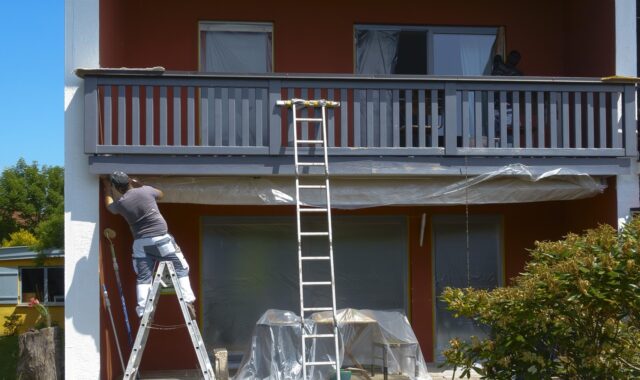
| Ladder work | Falls, unstable ground, overreaching | Level footing, three-point contact while climbing, do not overreach |
Use mowers, trimmers, and other powered tools defensively
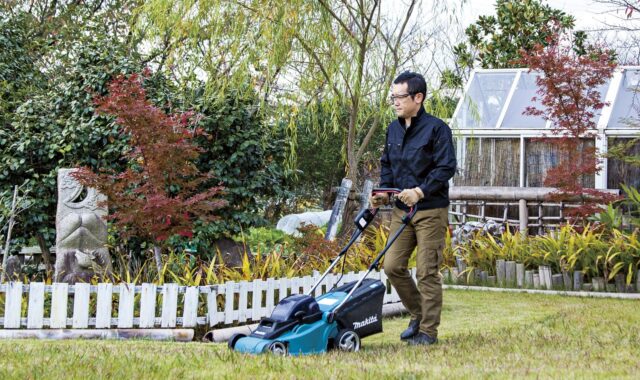
Powered yard equipment should be treated as cutting machinery, not convenience gear. The Consumer Product Safety Commission notes that riding mower safety concerns often involve blade contact and mower stability, while walk-behind mower standards focus on preventing hand and foot contact with blades. In practical terms, do not bypass guards, discharge shields, blade stops, interlocks, or other manufacturer-installed safety features.
Before starting a mower, inspect the blade area only when the machine is off, cooled as needed, and unable to start unexpectedly. For gas equipment, remove the key or disconnect the spark plug wire when the manufacturer’s instructions call for it. For battery tools, remove the battery before clearing jams, changing blades, or transporting the tool. For corded equipment, unplug before adjustment.
Do not mow in reverse unless the equipment is designed for it and visibility is clear. With riding mowers, slow down before turns, avoid sudden direction changes, and follow the manufacturer’s slope limits. Wet grass, soft soil, hidden ruts, and leaf cover can reduce traction. If a slope feels uncertain, choose a safer tool or postpone the task.
Trimmers and edgers require the same discipline. Keep the cutting head below waist level, maintain two-hand control when required, and stop work if another person enters the debris zone. Cutting near gravel, metal edging, wire fencing, windows, vehicles, or laboratory intake vents can create secondary hazards from ricochets or dust. Where a site includes sensitive workspaces, air intakes, or equipment rooms, schedule dusty outdoor work so debris is not pulled indoors.
Control heat, hydration, and fatigue
Heat is easy to underestimate because it builds gradually. NIOSH’s workplace heat-stress recommendations, updated in 2026, emphasize engineering and administrative controls, acclimatization, water access, and rest breaks. For moderate activity in heat lasting less than two hours, NIOSH recommends about one cup, or 8 ounces, of water every 15 to 20 minutes. It also warns that total fluid intake generally should not exceed six cups per hour.
Plan heavy mowing, pruning, hauling, and cleanup during cooler hours when possible. Shade and recovery time are controls, not signs of poor productivity. New workers, returning workers, older adults, and people who are not acclimatized to hot conditions may need lighter work and more frequent breaks. Protective clothing, respirators, heavy gloves, and chemical-resistant gear can increase heat burden, so chemical application days need extra planning.
Watch for signs of heat exhaustion, including heavy sweating, weakness, dizziness, nausea, rapid pulse, irritability, or fast breathing. Heat stroke is a medical emergency and can include confusion, loss of coordination, very high body temperature, seizure, or collapse. Stop work early when symptoms appear; do not wait for a person to “push through” heat illness.
Handle pesticides, fertilizers, and fuels with label-level discipline
Chemicals used in yard maintenance can create safety and environmental risks when they are handled casually. EPA pesticide guidance is simple and strict: read the label first, follow directions, use products only for listed pests or sites, and do not assume that more product works better. The label is also where users find required PPE, mixing directions, restricted entry instructions, storage information, and disposal steps.
Avoid spraying on windy or rainy days because drift and runoff can move products into vegetable gardens, pools, drains, neighboring property, or waterways. Keep children, pets, toys, and nonessential people away from treated areas until the product has dried or until the label says reentry is allowed. Never transfer pesticides into drink bottles or unmarked containers. Store products in original containers with labels intact, ideally in a locked, ventilated area away from food, feed, ignition sources, and incompatible materials. See also: buying guides.
Fuel handling calls for the same caution. Refuel gas-powered tools outdoors, away from flames, hot equipment surfaces, cigarettes, and running engines. Let equipment cool before refueling if the manual requires it. Wipe spills promptly and move the equipment away from the fueling location before restarting. Store gasoline only in approved containers and keep it away from living areas and ignition sources.
Prevent electrical, ladder, and lifting injuries
Electrical hazards often show up during ordinary yard work: damaged extension cords, wet grass, outdoor outlets, battery chargers, and cutting tools used near wiring. Use outdoor-rated cords where cords are necessary, inspect them for cuts or crushed insulation, and keep them away from blades and trimmer line. Ground-fault protection is important for outdoor electrical work. Do not operate corded tools in rain or standing water, and do not pull a plug by yanking the cord.
Ladder work should be limited to tasks that can be done without leaning, twisting, or reaching beyond the rails. OSHA ladder guidance emphasizes stable placement and maintaining three points of contact while climbing. Set ladders on firm, level ground, keep the area at the base clear, and do not stand on the top steps unless the ladder is designed for that use. If pruning requires a chainsaw, climbing, or work near power lines, it is no longer routine yard maintenance; it is specialized tree work that may require a qualified professional.
Lifting injuries can often be reduced by changing how the job is organized. Break heavy loads into smaller containers, use carts or wheelbarrows, avoid twisting while carrying, and place debris piles close enough to reduce long carries without blocking walkways. Wet leaves, soil, mulch, and sod can be much heavier than they look. When a load cannot be moved with a neutral posture, use mechanical help or add people rather than forcing the lift.
Build a simple yard maintenance safety checklist
A checklist turns good intentions into repeatable behavior. It should be short enough to use, but specific enough to prevent missed hazards. For a homeowner, that may be a laminated note in the garage. For a facility team, it may be part of a job briefing before seasonal cleanup or contractor work.
- Check the weather, heat index, daylight, and expected wind before scheduling work.
- Walk the site and remove objects that can be thrown by blades or blower air.
- Confirm that guards, shields, switches, brakes, and shutoff devices are in place.
- Select PPE for the task: eye, hearing, hand, foot, sun, respiratory, or chemical protection as needed.
- Keep children, pets, visitors, and nonessential staff out of the work zone.
- Inspect cords, batteries, fuel containers, hoses, and chemical labels before use.
- Plan water, shade, and rest breaks for hot or physically demanding work.
- Stop work when equipment behaves abnormally, weather changes, or people enter the hazard area.
- Clean tools after use, store chemicals and fuels correctly, and report defects before the next job.
The main takeaway from federal safety sources is that yard maintenance risk does not fit into one simple category. OSHA frames the work as a combination of machinery, electrical, ergonomic, weather, noise, chemical, and fall hazards. NIOSH adds practical heat and noise controls. EPA focuses on label-driven chemical safety. CPSC highlights mower injury patterns and bystander protection. A useful safety plan brings those views together instead of treating yard work as a casual chore.
Frequently asked questions
What is the most important yard maintenance safety tip?
The most important tip is to inspect the area and control bystanders before powered equipment starts. Removing debris, marking hazards, and keeping people away reduce several major risks at once, including thrown objects, slips, blade contact, and distraction.
Should I wear hearing protection for mowing and trimming?
Yes, hearing protection is a practical choice for mowing, trimming, blowing, and chainsaw work. Noise exposure depends on the machine, distance, condition, and duration, but many yard tools can be loud enough to justify earplugs or earmuffs.
When is yard work too hot to continue?
There is no single temperature that fits every person and task. Consider heat, humidity, sun, workload, clothing, acclimatization, and health status. Stop or modify work when symptoms such as dizziness, nausea, weakness, confusion, or loss of coordination appear. Heat stroke signs require emergency medical help.
Is it safe to spray pesticides before rain?
Usually no. EPA guidance warns against outdoor spraying on rainy or windy days because products can drift or run off. Always follow the product label for weather limits, drying time, reentry, PPE, and disposal.
Can routine yard maintenance include tree work near power lines?
No. Tree work near power lines is a high-risk task and should not be treated as ordinary yard maintenance. Keep tools, ladders, and branches away from electrical lines and use qualified help when pruning, climbing, rigging, or electrical exposure is possible.