Koi pond maintenance tips for clearer water and healthier fish
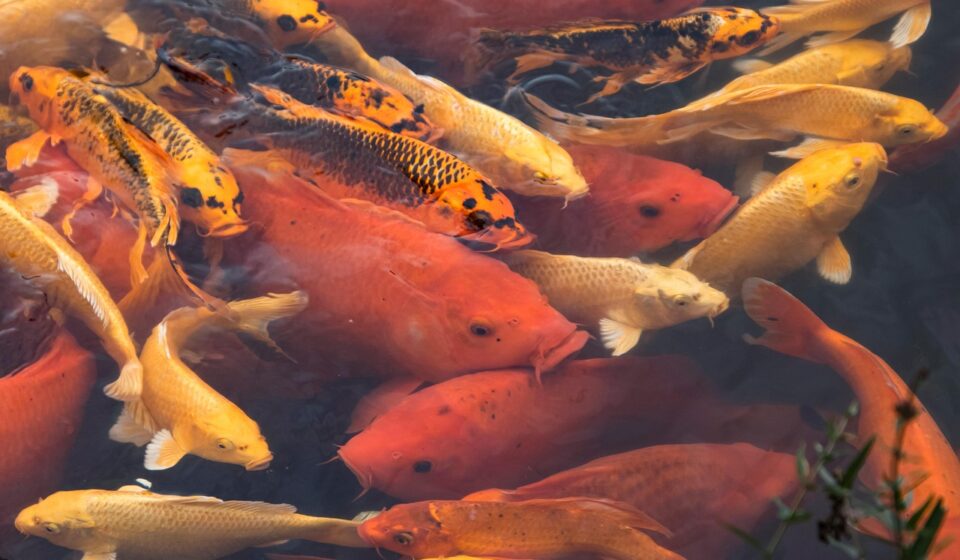
Good koi pond maintenance starts with water quality
The most useful koi pond maintenance tips are not about making the pond look clean for a single afternoon. They are about keeping water chemistry, oxygen, filtration, feeding, and organic waste under control over time. Clear water can still contain ammonia, nitrite, unstable pH, or low dissolved oxygen. A slightly green pond may be safer than one that has been treated too aggressively without testing.
For pond owners, the routine is straightforward: test the water, remove waste before it breaks down, protect beneficial bacteria in the filter, feed according to conditions, and respond early when readings begin to move in the wrong direction.
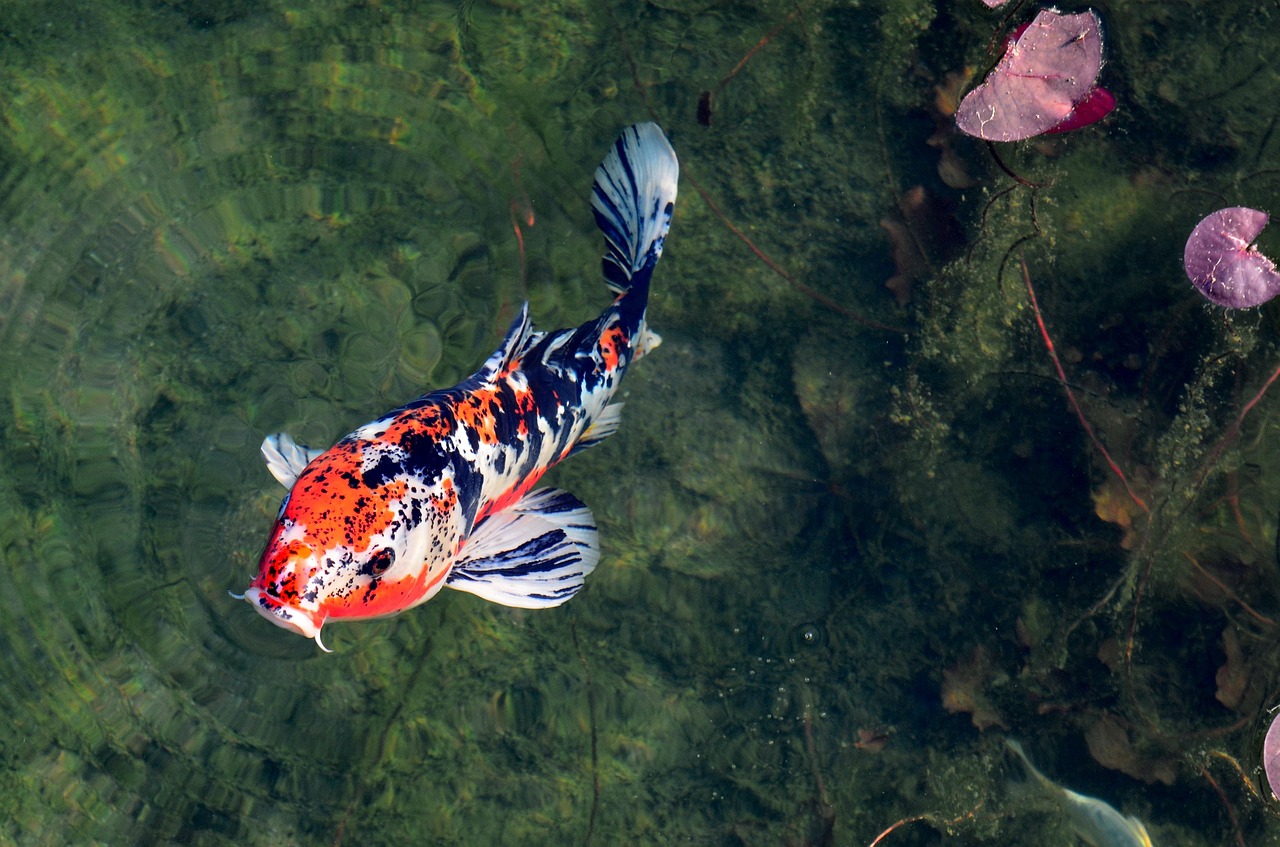
For readers working with water-quality tools, koi ponds also show why reliable pH meters, dissolved oxygen meters, thermometers, and ammonia or nitrite test kits matter in day-to-day maintenance. For more practical care articles, see our maintenance tips archive.
Test the pond before you judge it by appearance
Koi ponds are living systems. Temperature, sunlight, rainfall, fish load, feeding rate, plant growth, and filter condition all affect the chemistry of the water. Alabama Cooperative Extension describes pond pH, temperature, alkalinity, hardness, and dissolved oxygen as factors that influence fish health and can change by season and even within a single day. Visual inspection is useful, but it is not enough.
A basic maintenance kit should allow pond owners to check pH, ammonia, nitrite, nitrate, temperature, and ideally alkalinity or carbonate hardness. A dissolved oxygen meter is especially useful in warm weather, heavily stocked ponds, and ponds with recurring algae or fish stress. Penn State Extension water-quality guidance for fishing ponds treats ammonia-nitrogen above 0.1 mg/L as a warning level for pond health, while ornamental fish guidance commonly recommends zero ammonia and zero nitrite for pond fish. In practical koi pond maintenance, any detectable ammonia or nitrite should prompt a closer look at feeding, aeration, and filtration.
| Parameter | Why it matters | Practical maintenance response |
|---|---|---|
| Ammonia | Produced from fish waste and decomposing organic matter; toxic to fish, especially at higher pH and temperature. | Stop or reduce feeding, test source water, check biofilter performance, and increase aeration. |
| Nitrite | Intermediate nitrogen compound produced during nitrification; harmful even when water looks clear. | Reduce feeding, avoid adding fish, confirm the biological filter is active, and retest frequently. |
| pH and alkalinity | pH can swing during the day; alkalinity helps buffer those swings. | Test at similar times of day, avoid sudden corrections, and adjust only with a clear reason. |
| Dissolved oxygen | Fish, bacteria, and decomposition all consume oxygen; oxygen is often lowest before dawn. | Add aeration, reduce organic waste, and watch closely in hot, still weather. |
| Temperature | Controls feeding, oxygen demand, and biological activity. | Feed less in cold water and provide extra oxygen in warm water. |
Keep filtration alive instead of overcleaning it
A koi pond filter is more than a dirt trap. It is also habitat for beneficial bacteria that convert ammonia into nitrite and then nitrate. Texas A&M AgriLife Extension notes that filter demand is driven by the amount of feed placed into the pond, not simply by pond volume. This matters because a large pond can still be overloaded if the fish are large, feeding is heavy, or debris is left to decay.
Mechanical filtration removes solids before they rot
Skimmers, settlement chambers, filter pads, brushes, sieve units, and other mechanical stages capture leaves, fish waste, uneaten food, and suspended particles. Clean them often enough to maintain flow, but avoid disturbing the entire system at once. If filter pads are part of the setup, rinse them lightly in removed pond water rather than chlorinated tap water. This helps preserve useful microbial life.
Biological filtration needs oxygen and stability
Biological filters work best when water moves steadily through oxygenated media. Avoid shutting the pump off for long periods, especially in warm weather. If a filter has been off for a long time, do not simply restart it without checking odor and water condition. Stagnant filter chambers can hold oxygen-poor water and decay products.
When adding municipal tap water, remember that chlorine or chloramine can harm fish and filter bacteria. Virginia Cooperative Extension advises using a dechlorinating water treatment according to label directions when replacing pond water with chlorinated water or a new water source. Do not guess the dose. Match the treatment to the actual volume being added and to the disinfectant used by the local water supplier.
Manage oxygen before fish show distress
Oxygen management is one of the most overlooked koi pond maintenance tips because low oxygen may not be obvious until fish are already stressed. The U.S. Environmental Protection Agency describes dissolved oxygen as a direct indicator of a water body’s ability to support aquatic life and notes that levels below 5 mg/L are generally stressful for fish, while levels below 3 mg/L are too low to support many fish. Koi requirements vary with temperature, size, stocking density, and stress level, but the maintenance lesson is clear: do not wait until fish are gasping at the surface.
Oxygen is usually lowest just before dawn because algae, plants, fish, bacteria, and other organisms consume oxygen overnight. Warm water also holds less oxygen than cold water, while koi and bacteria often need more oxygen in warm conditions. Add an air pump, diffuser, waterfall, venturi, or other circulation device before summer heat or stormy weather creates a problem.
- Increase aeration during heat waves and after heavy algae die-off.
- Remove leaves, sludge, and dead plant material before they decompose.
- Watch fish behavior early in the morning, not only in the afternoon.
- Keep backup aeration ready if the pond depends on one pump.
- Avoid adding chemical algae treatments without understanding oxygen risk.
Feed and stock for the pond’s real capacity
Overfeeding is a water-quality problem disguised as generosity. Every pellet that enters the pond becomes fish growth, fish waste, dissolved nutrients, or decaying organic matter. Feed only what koi consume quickly, remove leftovers, and adjust the amount when water is cool, hot, or testing poorly.
Stocking also needs adult-size planning. Small koi from a dealer or garden center do not stay small. Texas A&M ornamental pond guidance gives examples showing how koi can exceed the carrying capacity of small ponds as they grow. The practical takeaway is to avoid judging capacity only by how spacious the pond looks when fish are young. The filter, oxygen system, and maintenance routine must be sized for mature fish and feeding load.
New fish should be quarantined before entering the main pond. University of Florida IFAS guidance on koi herpesvirus disease emphasizes that recovered fish may remain carriers, and that disease prevention depends on quarantine, testing, and good husbandry. Even when fish look healthy, quarantine protects the existing collection and gives time to observe appetite, behavior, parasites, ulcers, and water-quality response in a separate system.
Control algae by reducing nutrients, not by chasing color
Algae are not automatically a sign of failure. Some algal growth is part of a pond ecosystem. Problems begin with excessive growth, sudden bloom collapse, string algae blocking flow paths, or algae driven by too much nutrient input. Penn State Extension notes that nitrogen and phosphorus from lawns, septic systems, runoff, waterfowl, and organic waste can support excessive plant and algae growth. EPA materials also connect excess nutrients with algae growth and oxygen depletion as blooms decompose. See also: buying guides.
For koi ponds, the long-term algae plan is nutrient control. Keep lawn fertilizer and soil runoff out of the pond. Net leaves before they sink. Clean skimmers and prefilters before debris turns into sludge. Avoid chronic overfeeding. Add shade where appropriate, but do not eliminate all sunlight if plants are part of the design. Aquatic plants can help take up nutrients, but they are not a substitute for testing, filtration, and good stocking practices.
Ultraviolet clarifiers can help control suspended green-water algae, but they do not remove ammonia, nitrite, nitrate, sludge, or the underlying reason nutrients entered the water. Treat UV as a clarity tool, not as a complete maintenance system.
Use a seasonal maintenance rhythm
A koi pond is easier to manage when tasks are divided by frequency. The goal is not to disturb the pond constantly. The goal is to catch small changes before they become emergencies.
| Frequency | Maintenance tasks |
|---|---|
| Daily or during feeding | Observe appetite, swimming behavior, surface gasping, pump flow, waterfall flow, and visible leaks. |
| Weekly | Test ammonia, nitrite, pH, and temperature; clean skimmer baskets; remove leaves and uneaten food. |
| Every 2 to 4 weeks | Inspect filter media, check nitrate trend, inspect air stones or diffusers, trim excessive plant growth, and check pump intake. |
| Seasonally | Adjust feeding, inspect plumbing, prepare for heat or freezing weather, and review stocking level against filter capacity. |
Spring
As water warms, biological filtration may lag behind fish appetite. Increase feeding gradually, test more often, and avoid adding many fish at once. Clean winter debris carefully without stripping the system of all beneficial biology.
Summer
Heat increases oxygen demand and can intensify algae issues. Run aeration continuously, keep filters flowing, shade part of the pond if practical, and test early in the morning when oxygen is most likely to be low.
Autumn
Falling leaves are a major source of future sludge. Use netting, empty skimmers often, and remove dying plant material before it sinks. Reduce feeding as temperatures fall.
Winter
In cold climates, the priority is stable water and gas exchange, not heavy cleaning. Keep an opening in ice where needed, avoid breaking ice violently near fish, and do major cleaning before winter rather than during severe cold. Virginia Cooperative Extension’s winter water-garden guidance also emphasizes removing dead plant material and preventing debris accumulation before winter.
Frequently asked questions
How often should I test a koi pond?
Test at least weekly during the active feeding season, after adding fish, after filter cleaning, during heat waves, and whenever koi behave abnormally. New ponds and heavily stocked ponds should be tested more often because ammonia and nitrite can change quickly.
Can I completely drain and scrub a koi pond?
Complete draining is rarely the first option for routine maintenance. It can shock fish, disrupt biological filtration, and create unstable water chemistry when refilled. If a full cleanout is necessary because of contamination, major sludge, or repair work, move fish carefully, match temperature and pH as closely as possible, dechlorinate replacement water, and restart filtration cautiously.
Why is my pond clear but my fish still look stressed?
Clarity does not prove safety. Ammonia, nitrite, low dissolved oxygen, chlorine, pH swings, or disease can all occur in clear water. Test the water before treating fish or adding chemicals.
Should I clean all filter media at the same time?
Usually no. Clean mechanical prefilters as needed, but avoid sterilizing all biological media at once. Rinse media in removed pond water and stagger deeper cleaning so the bacterial population can recover.
What should I do if ammonia or nitrite is detected?
Reduce or stop feeding, increase aeration, check filter flow, confirm that no dead organic material is decomposing, and retest. Do not add new fish. If levels are significant or fish are distressed, use a pond-safe emergency response product according to its label and consider consulting an aquatic veterinarian or qualified pond professional.