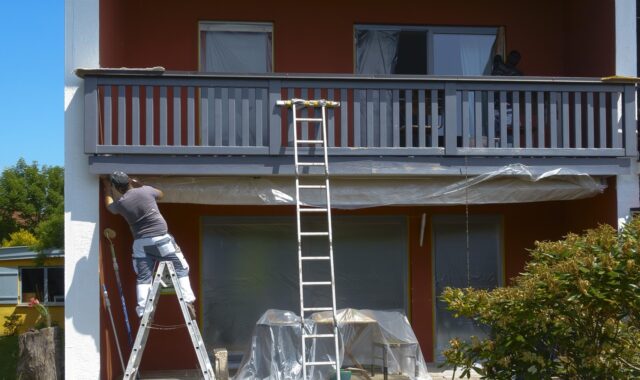
Deck care and maintenance tips for a safer, longer-lasting outdoor space

What good deck maintenance should accomplish
Effective deck care and maintenance tips should do more than make boards look clean. A practical plan protects three things at once: the structure that carries people, the surface exposed to weather and foot traffic, and the details that keep water from collecting where it can cause damage. For most homeowners, that means inspecting the deck at least once a year, cleaning it with methods suited to the material, keeping drainage paths open, and renewing protective finishes when the surface no longer sheds water well. It also means recognizing when a loose railing, soft board, corroded connector, or questionable ledger connection has moved beyond a cosmetic issue. The safest deck is maintained before small signs of wear become structural problems.
This guide focuses on practical maintenance rather than selling a product or promoting one decking material. For more upkeep ideas across outdoor and household equipment, visit the maintenance tips section.

Start with inspection before cleaning or staining
Many deck owners begin maintenance with a washer, brush, or stain can. A better first step is inspection. Public safety organizations such as the North American Deck and Railing Association encourage annual deck checks because surface appearance does not always reveal structural risk. Consumer safety reporting in 2026 also highlighted that deck, porch, and balcony failures remain a real injury concern, especially when older structures have weak connections, decay, or deteriorated walking surfaces.
Inspect the deck in dry daylight if possible. Walk slowly across the surface and listen for unusual creaks, springy areas, or movement underfoot. If access is safe, look under the deck as well. Maintenance is easier when the same route is followed each year because changes are easier to spot.
Key areas to check
- Ledger board: On an attached deck, this board connects the deck to the house. Watch for gaps, missing flashing, water stains, rot, or fasteners that appear loose or heavily corroded.
- Posts and footings: Posts should sit firmly without leaning, splitting severely, or resting in standing water or soil unless designed for that exposure.
- Beams and joists: Look for cracks, sagging, rot pockets, insect damage, and hangers that are loose or rusted.
- Deck boards: Replace boards that are soft, cupped enough to create a trip hazard, split through fasteners, or no longer hold screws securely.
- Stairs, guards, and handrails: These should not wobble. Movement at posts, stair stringers, or rail connections deserves prompt attention.
- Fasteners and connectors: Rust, missing nails, popped screws, and incompatible metal hardware can weaken the load path over time.
A simple screwdriver test can help identify suspect wood: if the tip sinks easily into a board, joist, post, or rail, the material may be decayed. Do not rely on stain, paint, or a clean surface to judge strength. Coatings can hide soft wood until the damage is advanced.
Clean the surface without damaging the material
Cleaning removes dirt, pollen, leaves, mildew, algae, food spills, and tannin stains. It also gives you a clearer view of cracks, popped fasteners, and finish wear. However, aggressive cleaning can damage wood fibers, conflict with some manufacturer recommendations for composite products, or drive water into gaps where it dries slowly.
Start with the least aggressive method that works: sweep debris, rinse with a garden hose, apply a cleaner appropriate for the decking material, scrub with a soft or medium-bristle brush, and rinse thoroughly. Work in small sections so the cleaning solution does not dry on the surface.
Cleaning wood decks
Wood decks usually benefit from routine sweeping and periodic washing. A dedicated wood deck cleaner can remove gray oxidation, mildew stains, and embedded dirt. Avoid using a high-pressure washer at close range because it can raise grain, etch soft earlywood, and shorten the life of the surface. If pressure washing is necessary, use a wide fan tip, keep the nozzle moving, and test in an inconspicuous area first.
After washing, let the wood dry before applying stain or sealer. Drying time depends on weather, wood species, sun exposure, and whether the lumber is pressure treated. A finish applied over damp wood may peel, look uneven, or fail early.
Cleaning composite, PVC, and aluminum decks
Composite and PVC decking are often described as lower maintenance, not no maintenance. Dirt can still collect in embossed grain patterns, shaded boards can support algae, and rugs or planters can trap moisture. Use mild soap or a cleaner approved by the decking manufacturer, then scrub and rinse. Avoid harsh solvents unless the manufacturer specifically allows them.
Aluminum decking resists rot and insects, but it still needs debris removal, especially around drainage channels, fasteners, and transitions. If the deck has a powder-coated finish, abrasive pads or strong chemicals can dull the coating.
Cleaning safety matters
Never mix chlorine bleach with ammonia or cleaners that contain ammonia. The U.S. Environmental Protection Agency warns that this combination can produce toxic fumes. When using any cleaner, follow the product label, protect nearby plants as directed, wear gloves and eye protection when appropriate, and keep children and pets away until the surface has been rinsed and dried.
Use moisture control as the core of deck care
Most deck problems start with moisture. Water encourages wood movement, finish breakdown, corrosion, mildew, algae growth, and decay. Good maintenance keeps water moving off the deck instead of letting it collect at joints, against posts, under rugs, or behind trim.
Keep gaps between boards open enough for drainage. Remove packed leaves, seed pods, and soil from board joints because organic debris holds moisture like a sponge. Pay close attention to the area where the deck meets the house. If flashing is damaged or missing at an attached ledger, water may enter the wall assembly or rot the ledger area. That is not cosmetic maintenance; it is a repair issue that should be evaluated carefully.
Planters, grills, furniture, storage boxes, and outdoor rugs can also create moisture traps. Use planter feet or stands to allow airflow. Move furniture occasionally so sunlight can reach covered areas. Lift rugs after rain to check for algae or trapped dirt, especially on shaded composite decking. If a grill mat is used, choose one compatible with the decking material and clean beneath it regularly.
Protect wood decks with the right finish schedule
Wood decks need protection from sunlight and water. The USDA Forest Products Laboratory has long emphasized that exterior wood finishes perform best when selected and maintained for the exposure. For decks, penetrating stains and water-repellent finishes are commonly used because horizontal walking surfaces receive heavy sun, rain, snow, abrasion, and dirt.
Do not refinish by calendar alone. Instead, inspect how the surface behaves. If water soaks in quickly rather than beading for a short period, the finish may be worn. If the color has faded, the wood is graying unevenly, or bare areas appear in traffic paths, cleaning and recoating may be needed. In full sun or harsh climates, a deck may need attention more often than one in a mild, shaded location. See also: buying guides.
Paint, solid stain, and semi-transparent stain
Semi-transparent stains show more wood grain and often weather by fading. Solid stains and paints hide more grain and can offer stronger color coverage, but they may peel or flake if moisture gets underneath. Peeling on a deck surface is not only unattractive; it can also signal trapped moisture or poor adhesion from earlier preparation.
Before applying a new finish, remove loose coating, clean the surface, brighten or neutralize as recommended by the product system, and allow proper drying. Spot-test a small area to confirm color, absorption, and adhesion before committing to the full deck.
Match maintenance to deck material and exposure
No maintenance checklist should treat every deck the same. A shaded cedar deck in a wet climate, a pressure-treated pine deck in full sun, and a capped composite deck near trees have different risks. Use the table below as a practical comparison, then adjust for the manufacturer’s instructions and local conditions.
| Deck material | Common maintenance concern | Useful care habit | When to take a closer look |
|---|---|---|---|
| Pressure-treated wood | Checking, raised grain, finish wear, decay at wet areas | Clean gently, keep gaps clear, renew water-repellent finish when absorption increases | Soft spots, fasteners that no longer hold, severe splitting, or ledger moisture signs |
| Cedar or redwood | UV graying, surface erosion, mildew in shade | Use compatible stains or sealers and avoid overly aggressive pressure washing | Deep cracks, loose rails, or dark moisture staining at joints |
| Composite | Surface dirt, algae, stains around rugs or planters | Wash with mild approved cleaner and keep debris from embossed grain | Persistent staining, board movement, unusual sagging, or loose hidden fasteners |
| PVC | Dirt, scuffs, heat exposure, chemical sensitivity | Clean with manufacturer-approved products and avoid incompatible mats or solvents | Warping, discoloration from chemicals, or fastener movement |
| Aluminum | Debris in channels, coating scratches, noisy loose parts | Rinse drainage areas and inspect fasteners and finish wear | Loose connections, damaged coating exposing metal, or drainage blockage |
Use a seasonal deck maintenance schedule
A seasonal routine prevents maintenance from becoming a once-a-decade rescue project. The right timing depends on climate, but the following schedule works for many residential decks in North America.
| Season | Main tasks | Why it matters |
|---|---|---|
| Spring | Inspect structure, tighten loose accessible fasteners, clean winter debris, check rails and stairs | Spring inspection finds damage before heavy outdoor use begins |
| Early summer | Wash surface, address mildew or algae, review finish condition, move furniture and rugs | Warm dry weather supports cleaning and refinishing work |
| Late summer or fall | Clear leaves from gaps and corners, inspect drainage, clean under planters and mats | Organic debris holds moisture through cooler months |
| Winter | Remove excessive snow with a plastic shovel when needed, avoid metal blades, use ice melt only if compatible | Improper snow and ice removal can scratch surfaces or add unnecessary stress |
In coastal areas, near pools, or in regions with heavy snow, inspect metal hardware more often. Salt, moisture, and chemical exposure can accelerate corrosion. If connectors are rusting heavily or flaking, a qualified deck professional should evaluate them rather than simply coating over the problem.
Know when maintenance becomes repair
Deck care can include cleaning, minor tightening, surface preparation, and finish renewal. It should not include guessing about structural safety. The International Code Council and deck construction guides place strong emphasis on proper load paths, ledger connections, lateral restraint, posts, beams, joists, and approved connectors. Residential deck design commonly accounts for live and dead loads, and those assumptions depend on components working together as intended.
Call a qualified professional or local building official when you see any of the following:
- The deck pulls away from the house or has visible gaps at the ledger.
- Railings, guard posts, or stair railings move under normal hand pressure.
- Posts are leaning, sinking, cracked through, or sitting in persistent water.
- Joists, beams, or stair stringers are soft, sagging, or splitting severely.
- Connections rely on old nails where structural screws, bolts, hangers, or approved connectors may be required.
- Hardware shows severe corrosion, missing fasteners, or incompatible replacements.
- The deck feels bouncy, uneven, or different from previous seasons.
For older decks, a professional inspection is especially useful before adding heavy features such as large planters, hot tubs, outdoor kitchens, roof structures, or dense gatherings. Maintenance preserves a deck; it does not increase the deck’s designed capacity.
Frequently asked questions
How often should a deck be inspected?
A visible inspection at least once a year is a sensible baseline, with extra checks after severe storms, flooding, heavy snow, or major changes in use. Older decks, elevated decks, and decks attached to a house deserve closer attention because structural connections are critical.
Is pressure washing safe for a deck?
It can be safe when done carefully, but it is often overused. Too much pressure or a narrow nozzle can scar wood, force water into joints, and damage some composite surfaces. Sweeping, rinsing, cleaner, and brushing should come first. If pressure washing is used, test a small area and keep the nozzle moving.
When should I stain or seal a wood deck?
Stain or seal when the wood is clean, dry, and able to absorb the finish. A simple water test helps: if water darkens the wood and soaks in quickly, the protective finish may be worn. Always follow the finish manufacturer’s drying and temperature guidance.
Do composite decks need sealing?
Most modern capped composite and PVC decking is not sealed like wood, but it still needs cleaning and inspection. Some older or uncapped products may have special care requirements. Follow the decking manufacturer’s instructions before applying any coating or stain.
What is the most overlooked deck maintenance task?
The most overlooked task is checking the structure beneath the visible surface. Clean boards can sit over corroded hangers, poor drainage, loose rail posts, or a vulnerable ledger connection. A deck that looks good should still be inspected for movement, moisture, decay, and fastening problems.