Virtual lab safety for safer hands-on laboratory training

What virtual lab safety should accomplish
Virtual lab safety uses interactive simulations, 360-degree lab spaces, desktop modules, or immersive VR scenarios to help learners recognize hazards and make safer decisions before they enter a physical laboratory. Its strongest role is as a bridge between basic safety rules and supervised hands-on practice. It should not be positioned as a substitute for chemical hygiene planning, local standard operating procedures, working engineering controls, or instructor supervision.
For organizations comparing practical approaches to lab safety, the central question is not whether a virtual lab looks modern. The useful question is whether it helps learners identify hazards, choose appropriate controls, follow local procedures, and carry those decisions into real work with chemicals, heat, pressure, glassware, biological materials, sharps, instruments, or waste streams.
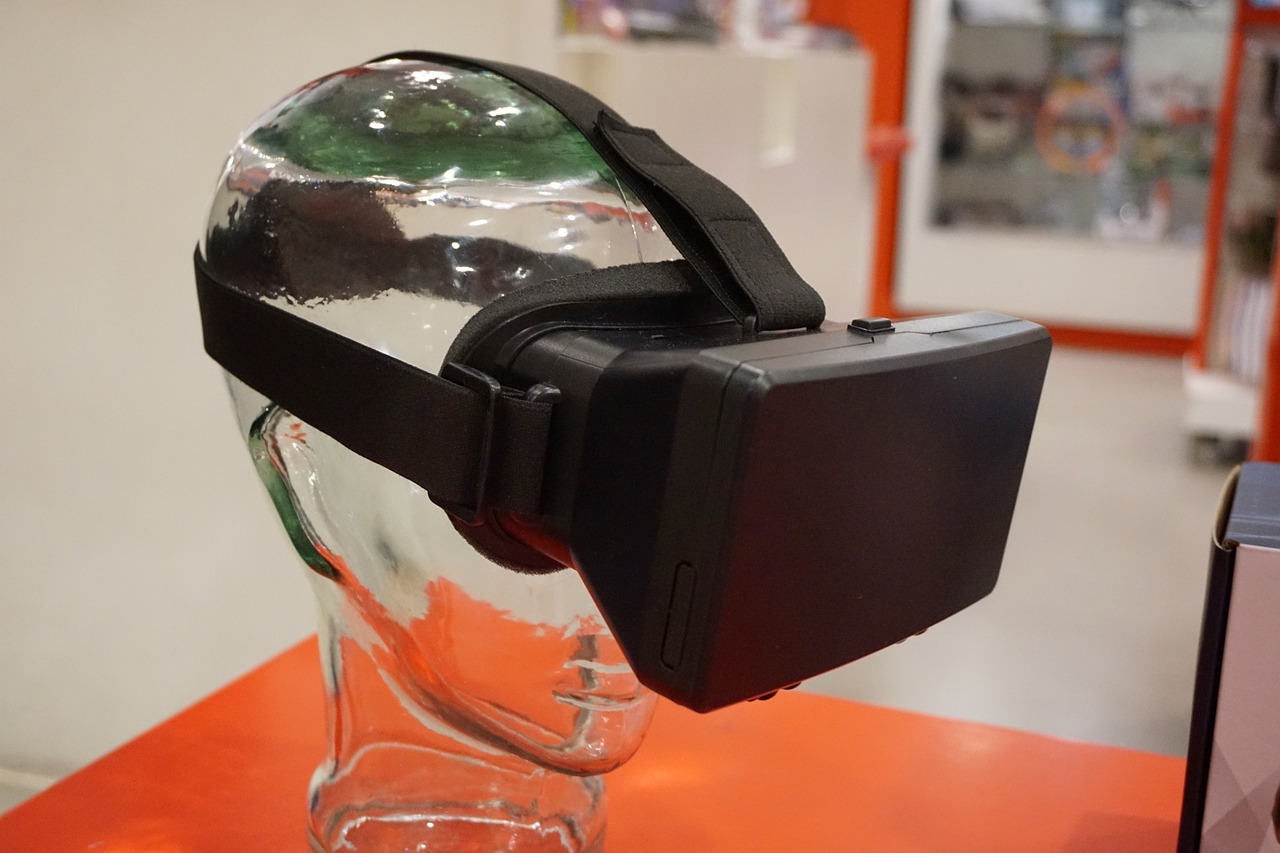
A useful virtual program gives learners repeatable practice in situations that are difficult, costly, or unsafe to stage in a real lab. Examples include spotting an unlabeled reagent, responding to a simulated spill, selecting PPE for a procedure, locating emergency equipment, or deciding when work must move into a fume hood. The value comes from structured decision-making, not from visual novelty alone.
Where it fits in a laboratory safety program
In U.S. workplaces covered by OSHA’s Laboratory standard, 29 CFR 1910.1450, employers using hazardous chemicals under the laboratory-use definition must develop and carry out a written Chemical Hygiene Plan. OSHA describes the plan as covering major elements such as standard operating procedures, PPE requirements, engineering controls, waste disposal procedures, exposure monitoring where required, medical consultation procedures, and assigned responsibilities. A virtual module can introduce these topics and reinforce expectations, but the legal and practical obligations remain tied to the actual workplace and its hazards.
NIOSH’s hierarchy of controls is also important when evaluating virtual lab safety. The hierarchy places elimination and substitution above engineering controls, administrative controls, and PPE. Most virtual safety training is an administrative control. It can improve awareness and consistency, but it cannot replace a working fume hood, a properly selected biosafety cabinet, a guarded centrifuge, a spill kit, eyewash access, compatible chemical storage, or a safer substitute chemical.
| Safety function | What can be taught virtually | What must remain site-specific |
|---|---|---|
| Hazard recognition | Labels, pictograms, incompatible storage, clutter, blocked exits, unsafe heating setups | Actual inventory, room layout, local signage, and current hazards |
| Risk assessment | Scenario-based decisions using severity, likelihood, route of exposure, and scale | Approval of real procedures by supervisors, instructors, or EHS staff |
| PPE selection | General matching of gloves, coats, goggles, face protection, and respiratory protection concepts | Material compatibility, fit, task duration, local policy, and required training |
| Emergency response | Recognition of alarms, evacuation logic, spill decision trees, shower and eyewash location practice | Hands-on drills, reporting routes, equipment inspection, and site emergency numbers |
| Instrument safety | Lockout concepts, pinch points, hot surfaces, pressure hazards, electrical hazards | Manufacturer instructions, maintenance status, and authorized-user requirements |
Use cases that deliver the most value
Pre-lab orientation before first entry
Virtual orientation is especially useful for new students, interns, visiting researchers, and technicians who have not yet learned the physical layout of a laboratory. A well-designed module can show the locations of emergency exits, eyewashes, showers, fire extinguishers, first-aid supplies, waste areas, fume hoods, gas shutoffs, and safety documentation. This reduces the load on the first in-person session, when learners are also trying to follow equipment instructions, instructors, peers, and time limits.
Hazard recognition and risk assessment
The American Chemical Society promotes the RAMP framework: recognize hazards, assess risks, minimize risks, and prepare for emergencies. Virtual environments are well suited to RAMP-style exercises because they can ask learners to pause, inspect a scene, choose a control, and receive feedback. Instead of memorizing a rule such as wear gloves, learners can practice asking which material is being handled, whether a splash risk exists, whether the glove material is compatible, and how the glove should be removed to avoid contamination.
Emergency response rehearsal
Real emergency drills are essential, but not every emergency can be safely staged. Virtual scenarios can help learners distinguish between a minor spill that trained personnel may handle under local policy and a release that requires evacuation and professional response. They can also practice the sequence of alerting others, moving away from exposure, using eyewash or safety showers when appropriate, reporting incidents, and preserving information needed for medical or EHS follow-up.
Inclusive and remote preparation
Digital modules can help learners who need more time, language support, repeated practice, or remote access before arriving on site. They can also support consistency across multiple teaching sections or research groups. Accessibility still needs to be planned from the beginning. A virtual lab that depends only on headset use, rapid movement, color-only cues, or small text may exclude some learners. Desktop access, captions, readable labels, keyboard navigation, and alternative assessments can make the training more usable.
Design features that make virtual training credible
Credible virtual lab safety is built around real safety decisions, not generic animation. It should be reviewed by people who understand the relevant laboratory discipline, EHS requirements, and local procedures. For chemical laboratories, that may include instructors, laboratory managers, principal investigators, chemical hygiene officers, or EHS professionals. For clinical, biological, radiation, or engineering labs, additional subject-matter review is needed.
- Local relevance: The module should reflect the hazards learners are likely to encounter, including chemical, biological, physical, electrical, pressure, cryogenic, laser, or mechanical risks where applicable.
- Decision points: Learners should choose actions, not simply watch a video. Good prompts ask what is wrong, which control is most appropriate, and when work must stop.
- Consequences without sensationalism: Unsafe choices should lead to realistic feedback, not entertainment-style explosions or exaggerated outcomes.
- Connection to written procedures: The module should point learners back to local SOPs, the Chemical Hygiene Plan, waste rules, emergency procedures, and equipment manuals.
- Assessment beyond completion: Passing should require demonstrated understanding through scenario answers, not just clicking through slides.
- Update control: Someone must own revisions when the lab layout, chemical inventory, waste process, equipment, or institutional policy changes.
- Recordkeeping: Training records should show who completed the module, when it was completed, what version was used, and whether follow-up training was assigned.
Limitations that should be stated before adoption
The research base for virtual and digital laboratory training is promising, but it does not support removing hands-on instruction. A 2021 paper in Education for Chemical Engineers described a web-based 360-degree digital safety training platform as flexible and engaging for chemical engineering students, while also noting that virtual laboratories do not remove the need for real-life laboratory training. The same paper discussed the concern that virtual settings can reduce seriousness if learners treat them as games rather than preparation for hazardous work.
Educational literature on VR laboratories also cautions against assuming that immersion automatically means better learning. Headsets may increase presence, but they can also add cognitive load, discomfort, or distraction. For many safety objectives, a desktop 360-degree environment with strong feedback may be more effective and easier to maintain than an expensive immersive system. The right choice depends on the learning goal, audience, budget, accessibility needs, and ability to keep content current. See also: buying guides.
Virtual lab safety should not be the only method for tasks that require tactile skill, fit, physical coordination, or supervised sign-off. Examples include respirator fit testing, hands-on use of spill materials, emergency shower familiarization, glovebox operation, sterile technique, sharps handling, high-pressure system assembly, gas cylinder movement, and instrument-specific authorization. These tasks require physical demonstration, observation, and correction by qualified personnel.
How to evaluate a virtual lab safety module
Evaluation should focus on transfer to real behavior. Completion rates and quiz scores are easy to collect, but they do not prove that a learner will make safer decisions at the bench. Labs should combine digital assessment with observation during the first hands-on session, supervisor feedback, and periodic review of near misses or recurring unsafe practices.
| Evaluation area | Useful evidence | Weak evidence if used alone |
|---|---|---|
| Knowledge | Scenario-based questions on hazards, controls, PPE, waste, and emergency steps | Acknowledging that a policy was read |
| Behavior | Observed correct use of goggles, fume hoods, labeling, housekeeping, and waste segregation | High satisfaction scores only |
| Transfer | Fewer repeated coaching points during supervised practical sessions | Claims that VR is more engaging |
| Compliance support | Versioned records tied to local training requirements | Untracked access to generic videos |
| Maintenance | Scheduled content review after procedure, layout, or policy changes | A one-time launch with no owner |
Labs should be careful with claims. Unless a site has measured incident rates, near misses, or observed behavior before and after implementation, it should not claim that a virtual module reduced accidents. A more defensible statement is that the module provides structured practice and documented preparation before hands-on work.
Implementation checklist for labs and educators
- Define the audience. Separate first-year students, experienced researchers, visiting staff, and authorized equipment users. Their risks and learning needs are different.
- Map the hazards. List the chemicals, equipment, procedures, waste streams, and emergency situations that the virtual training must address.
- Connect to existing safety documents. Align the module with the Chemical Hygiene Plan, biosafety manual, radiation procedures, equipment SOPs, waste rules, and institutional policies as applicable.
- Choose the simplest effective format. Use immersive VR only when spatial practice or embodied decision-making adds value. For many topics, interactive desktop modules or 360-degree images are sufficient.
- Add instructor or supervisor follow-up. Build in time for questions, local reminders, and review of common wrong answers before learners begin hands-on work.
- Require physical sign-off where needed. Keep separate checklists for practical skills, instrument authorization, emergency equipment familiarization, and task-specific procedures.
- Review content on a schedule. Update the module after layout changes, new instruments, revised waste handling, new chemicals, incidents, or policy updates.
- Track outcomes responsibly. Monitor assessment results, observed behaviors, near misses, and learner feedback, but avoid unsupported claims about safety improvement.
Frequently asked questions
Can virtual lab safety replace in-person lab safety training?
No. It can prepare learners before they enter the lab and reinforce decision-making, but it cannot replace site-specific instruction, supervisor observation, engineering controls, emergency drills, or hands-on skill verification.
Is VR required for effective virtual lab safety?
No. VR can be useful for spatial orientation and immersive decision-making, but many safety objectives can be taught through interactive desktop simulations, 360-degree photographs, videos with embedded questions, or scenario-based quizzes. The format should serve the learning objective.
What should a virtual lab safety assessment include?
Assessment should include hazard recognition, PPE selection, waste segregation, emergency response, fume hood or containment decisions, labeling, housekeeping, and when to stop work and ask for help. The strongest questions are scenario-based rather than simple memory checks.
Who should maintain virtual lab safety content?
Ownership should be assigned before launch. Depending on the institution, maintenance may involve EHS staff, chemical hygiene officers, laboratory managers, instructors, principal investigators, or departmental safety committees. Content should be updated when local procedures or hazards change.
What is the biggest risk of relying on virtual lab safety?
The biggest risk is false confidence. A learner may perform well in a simulation but still lack tactile skill, situational awareness, or respect for real hazards. That risk is controlled by combining virtual preparation with supervised hands-on training and clear stop-work expectations.