Laboratory safety essentials for chemical and instrument labs
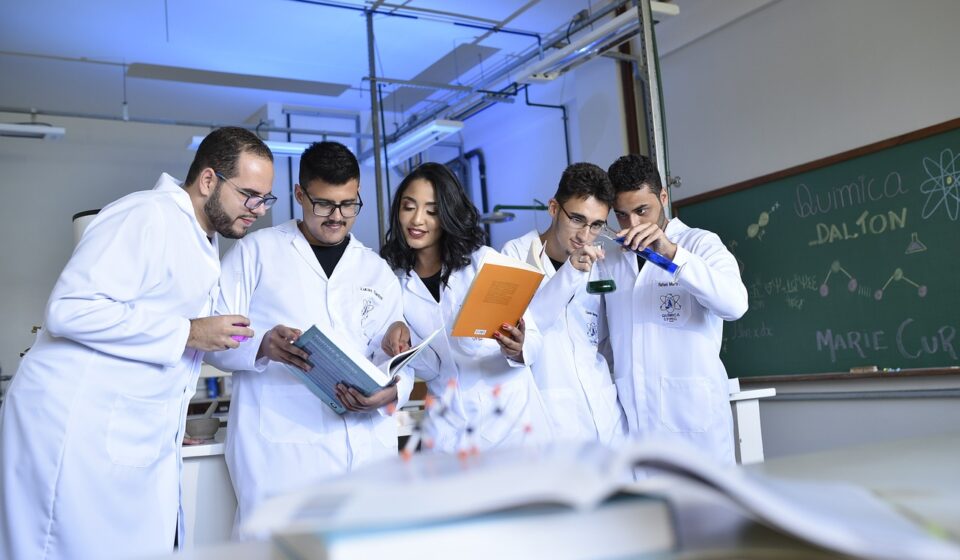
What laboratory safety should cover in a working lab
Laboratory safety is the system a lab uses to protect people, samples, equipment, and facilities while work is planned, performed, and reviewed. In chemical and instrument-heavy labs, that system has to connect the hazards present, the tasks being performed, the controls that limit exposure, and the records that show those controls are in place. Personal protective equipment matters, but it is not the starting point. A practical program begins with hazard identification and risk assessment, then uses engineering controls, written procedures, training, maintenance, and emergency planning to make safe work repeatable. For more related topics, see our lab safety category.
Useful public references for this approach include OSHA’s Laboratory Standard, OSHA’s Laboratory Safety Guidance, the NIOSH hierarchy of controls, CDC biosafety training materials, NFPA 45 for fire protection in laboratories using chemicals, and the National Academies’ Prudent Practices in the Laboratory. Requirements and details vary by jurisdiction and laboratory type, but the pattern is consistent: identify the hazard, reduce the risk as close to the source as practical, train people for the remaining risk, and review the system when the work changes.
Start with a task-based risk assessment
A safety program that starts with a generic rulebook can miss the risks that appear during actual bench work. A better starting point is the task itself: weighing a powder, transferring a solvent, heating a pressure vessel, centrifuging clinical material, cleaning a detector, changing a gas cylinder, or disposing of mixed waste. Each task has its own exposure route, energy source, failure mode, and emergency scenario.
In the United States, OSHA’s 29 CFR 1910.1450 applies to employee use of hazardous chemicals under laboratory conditions and requires a written Chemical Hygiene Plan where hazardous chemicals are used. That requirement is important, but compliance documents should not replace bench-level judgment. A useful risk assessment asks:
- What chemical, biological, physical, electrical, pressure, temperature, radiation, or ergonomic hazards are present?
- Who could be exposed, and by which route: inhalation, skin contact, injection, ingestion, splash, aerosol, noise, heat, or mechanical injury?
- What is the worst credible failure, and how likely is it during normal work?
- Which controls already exist, and are they verified to work?
- What training, signage, supervision, or prior approval is needed before the work begins?
This approach is especially useful in instrument labs because the hazard is often a combination of sample chemistry and equipment energy. A small solvent vial in an autosampler is a chemical concern; the same solvent near a hot surface, electrical component, or enclosed area can also become a fire, exposure, or maintenance hazard.
Build controls before choosing PPE
NIOSH describes the hierarchy of controls as a preferred order for reducing workplace exposure: elimination, substitution, engineering controls, administrative controls, and personal protective equipment. In the laboratory, the lesson is straightforward. Goggles, gloves, and coats are necessary, but they are less reliable than removing a hazard, substituting a safer reagent, enclosing a process, or using ventilation that does not depend on perfect human behavior.
| Control level | How it applies in a laboratory | Example |
|---|---|---|
| Elimination | Remove the hazard from the method or workflow. | Use a validated instrument method that avoids a toxic derivatization step. |
| Substitution | Replace a hazardous material or process with a safer option after checking new risks. | Use a less volatile cleaning solvent when it is compatible with the instrument and method. |
| Engineering controls | Separate people from the hazard through equipment or facility design. | Use a chemical fume hood, local exhaust, sealed rotor, interlock, splash shield, or gas cabinet. |
| Administrative controls | Control how work is planned, authorized, and performed. | Use SOPs, restricted access, training records, buddy rules, scheduling, and maintenance logs. |
| PPE | Protect the worker from remaining risk. | Select gloves, eye protection, face protection, coats, aprons, or respirators based on the hazard. |
The hierarchy does not make PPE optional. It means PPE should be selected after higher-level controls have been considered. Changing glove type may reduce skin exposure, for example, but placing a volatile transfer inside a functioning hood reduces inhalation exposure for everyone nearby. In daily laboratory safety decisions, the strongest question is not only, what PPE should be worn? It is also, can the hazard be removed, reduced, enclosed, ventilated, or controlled before it reaches the worker?
Make the Chemical Hygiene Plan useful at the bench
A Chemical Hygiene Plan should be more than a binder kept for inspection. OSHA identifies required elements such as standard operating procedures, criteria for control measures, requirements for fume hoods and protective equipment to function properly, employee information and training, prior approval for selected operations, medical consultation provisions, designated responsible personnel, and additional protections for particularly hazardous substances.
For a working lab, the plan should answer practical questions in plain language. Which operations require a hood? Which chemicals need designated areas? Which instruments may be serviced only after decontamination or lockout? Who approves overnight reactions, high-pressure work, or unattended heating? Where are SDSs available, and how are container labels handled when materials are transferred into secondary containers?
One current point to watch is hazard communication. OSHA issued a final rule updating the Hazard Communication Standard on May 20, 2024, with an effective date of July 19, 2024. OSHA announced on January 15, 2026 that it was extending the compliance dates for the 2024 updates by four months and that, during the transition period, covered parties may comply with the previous version, the updated version, or both. For laboratories, the practical action is to monitor supplier labels and SDS revisions, update workplace labels or training when newly identified hazards affect materials in use, and keep chemical inventories current enough to support emergency response.
Do not separate instrument safety from laboratory safety
Many incidents begin at the boundary between an instrument and the surrounding work practice. A centrifuge is not only a mechanical device; it may contain infectious material, corrosive samples, or volatile solvents. A gas chromatograph is not only an analytical tool; it may involve compressed gases, heated zones, solvents, and electrical systems. Instrument safety should therefore be included in risk assessments, SOPs, inspections, and training.
| Instrument or work area | Main risk to check | Practical control focus |
|---|---|---|
| Centrifuges | Rotor failure, aerosols, imbalance, and tube breakage. | Balance loads, inspect rotors, use compatible tubes, allow full stop before opening, and follow decontamination procedures. |
| Fume hoods | Loss of containment due to poor airflow or clutter. | Keep the sash at the marked height, avoid blocking baffles, work well inside the hood, and verify performance on schedule. |
| Autoclaves, ovens, and hot plates | Burns, pressure release, fire, and incompatible materials. | Use heat-resistant protection, avoid sealed containers unless approved, validate cycles where needed, and remove combustibles. |
| Compressed gas cylinders | High pressure, regulator incompatibility, leaks, and cylinder movement. | Secure cylinders, cap when moving or storing, match regulators to gases, check connections, and segregate incompatible gases. |
| Analytical instruments | Electrical energy, moving parts, lasers, UV sources, solvents, and heat. | Keep interlocks functional, maintain ventilation, control access during service, and follow manufacturer instructions. |
Maintenance deserves specific attention. Cleaning a sample path, replacing tubing, removing a blocked needle, changing a lamp, or opening an enclosure may expose workers to hazards that are not present during normal operation. Labs should define when service requires shutdown, decontamination, electrical isolation, pressure release, or support from qualified maintenance personnel.
Storage, waste, and emergency readiness close the loop
Good storage is a prevention measure, not just housekeeping. Chemicals should be organized by compatibility rather than alphabet alone. Flammables, corrosives, oxidizers, toxics, water-reactives, and compressed gases need storage methods that reflect their hazards. Secondary containment, closed containers, clear labels, and reasonable inventory levels reduce routine exposure and can limit the severity of an emergency. See also: buying guides.
Waste management should be planned before work begins. A procedure that creates solvent waste, sharps, biological waste, heavy-metal residues, contaminated glass, or mixed hazards should identify the container type, label wording, accumulation area, segregation rule, and pickup process. Improvised waste containers create confusion for lab staff, custodians, emergency responders, and waste contractors.
Emergency readiness should also match the work being done. Spill kits must fit the likely spill, eyewash and shower access must remain unobstructed, alarms must be understood, and evacuation routes must stay usable. Written procedures should make clear which spills can be handled by trained lab personnel and which require evacuation and emergency response. Near-miss reporting is part of readiness because it can reveal weak controls before an injury, release, or equipment loss occurs.
Use a review schedule instead of one annual clean-up
Laboratory safety improves when review is routine. A single annual inspection may find expired chemicals or blocked exits, but it cannot always catch day-to-day drift in behavior, labels, airflow practices, or instrument condition. A simple review schedule helps spread responsibility across normal work instead of concentrating it in one inspection cycle.
| Frequency | What to review |
|---|---|
| Daily or before use | Required PPE, hood sash position, instrument condition, container labels, trip hazards, and emergency access. |
| Weekly | Waste containers, chemical storage order, eyewash accessibility, spill supplies, and shared bench condition. |
| Monthly | Chemical inventory changes, training gaps, recurring near misses, gas cylinder restraints, and inspection findings. |
| Quarterly or semiannually | SOP updates, hood or equipment service records, emergency drills, and corrective action completion. |
| After a change | New chemicals, new instruments, new methods, scale-up, facility changes, personnel changes, or incident lessons learned. |
The goal is not more paperwork. The goal is to make weak signals visible early: a sash that is always too high, a solvent bottle that is repeatedly left open, a centrifuge rotor with unclear age, a waste stream that no one owns, or a training module that no longer matches the instrument in use. Small corrections made promptly are usually safer and less disruptive than major corrective actions after an incident.
Frequently asked questions
What is the most important part of laboratory safety?
The most important part is connecting the actual task to the right controls. Rules, PPE, and training all matter, but they work only when the lab has first identified the hazards and selected controls that match the work.
Is PPE enough to make laboratory work safe?
No. PPE protects against remaining risk, but it should not be the only control. Safer methods, substitution, ventilation, containment, interlocks, written procedures, and maintenance often reduce risk more reliably than PPE alone.
How often should a lab review its safety procedures?
Formal review is commonly done at least annually, but procedures should also be reviewed whenever chemicals, instruments, methods, scale, personnel, or facility conditions change. Incidents and near misses should trigger immediate review of the affected procedure.
Who is responsible for laboratory safety?
Responsibility is shared. Employers and institutions must provide programs, controls, training, and oversight. Supervisors must ensure work is planned and authorized. Laboratory workers must follow procedures, report hazards, and stop work when conditions are unsafe.
How can instrument labs improve safety quickly?
Start by reviewing the highest-risk equipment tasks: sample loading, solvent handling, heating, centrifugation, compressed gas use, cleaning, and maintenance. Confirm that SOPs include shutdown, decontamination, ventilation, PPE, emergency response, and service restrictions where needed.