Lab safety signs for laboratories and how to use them correctly

What lab safety signs are meant to do
Lab safety signs provide quick, practical information at the location where a hazard exists. They are used by workers, students, visitors, maintenance staff, and emergency responders who may need to make a decision before entering a room, handling a material, operating equipment, or responding to an incident.
A useful sign identifies the hazard, communicates the seriousness of the risk, and points to a clear action, such as wearing eye protection, keeping a door closed, avoiding ignition sources, or checking a safety data sheet. In U.S. workplaces, sign programs may be influenced by several sources, including OSHA accident prevention sign rules, OSHA chemical hazard communication requirements, ANSI-style sign conventions, biosafety guidance, radiation posting rules, and local fire code expectations.
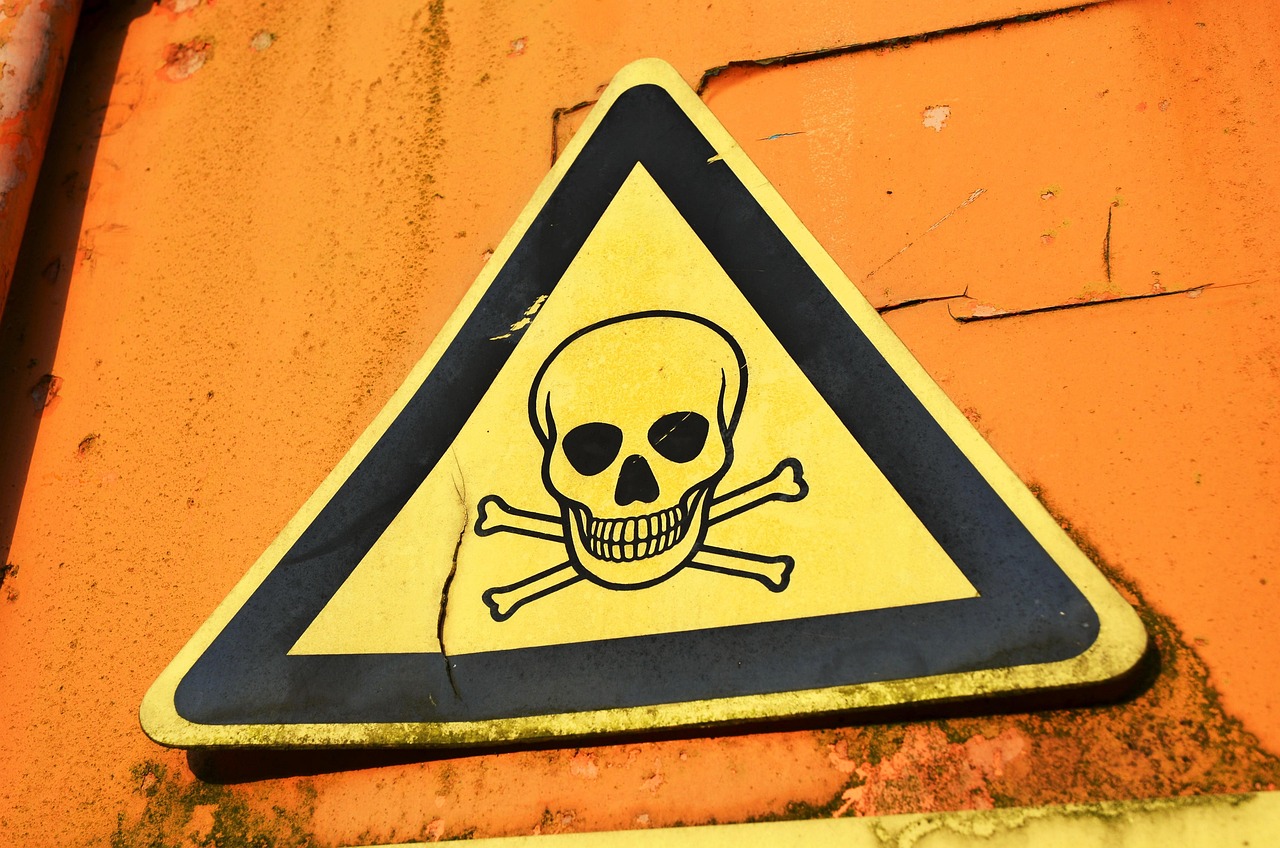
There is no single universal sign that fits every laboratory. The sign system has to match the actual hazards in each room, storage area, instrument zone, and waste collection point. For more related workplace topics, see the lab safety section.
The main categories of laboratory safety signs
Most laboratories use several types of signs at the same time. Without a plan, those signs can make a room look busy while still failing to communicate the most important information. A better approach is to classify signs by function before choosing wording, color, symbol, and location.
| Sign category | Typical lab use | What it should tell people |
|---|---|---|
| Hazard warning signs | Biohazards, corrosives, flammables, lasers, radiation, compressed gases, cryogens | What hazard is present and what exposure route or injury type is likely |
| Mandatory action signs | Eye protection, lab coats, gloves, face shields, respirators where required | What protective action is required before entry or before a task begins |
| Prohibition signs | No food or drink, no open flames, no unauthorized entry, no cell phone use in restricted zones | What behavior is not allowed and where the restriction applies |
| Emergency and safety equipment signs | Eyewash, safety shower, spill kit, fire extinguisher, first aid kit, emergency exit | Where to find equipment quickly during an incident |
| Temporary tags and notices | Out-of-service instruments, lockout situations, spill cleanup areas, maintenance work | What unusual condition exists and who controls the next step |
This functional view helps prevent a common mistake: using a generic caution sign when the real need is a specific instruction. If the issue is a solvent storage cabinet, the sign should identify flammable materials and ignition controls. If the issue is a centrifuge under repair, a temporary tag or lockout-related warning may be more appropriate than a permanent wall sign.
How OSHA, ANSI, ISO, CDC, NRC, and NFPA fit together
Laboratory signage is shaped by overlapping systems. OSHA 29 CFR 1910.145 covers specifications for accident prevention signs and tags used to warn of hazards that could cause accidental injury or property damage. It distinguishes danger signs, caution signs, safety instruction signs, biological hazard signs, and accident prevention tags. OSHA states that danger signs indicate immediate danger and that caution signs are for potential hazards or unsafe practices. OSHA also expects required tags to contain a signal word and a major message, and to be understandable to employees who may be exposed.
The OSHA Hazard Communication Standard, 29 CFR 1910.1200, is especially important in chemical laboratories. It addresses labels and other forms of warning for hazardous chemicals, including shipped container label elements such as product identifier, signal word, hazard statement, pictogram, precautionary statement, and responsible party information. For workplace containers, employers may use the shipped-label information or an alternative workplace labeling system that provides general hazard information and works with the rest of the hazard communication program. As of August 30, 2026, OSHA’s transition dates from the 2024 Hazard Communication update include a November 20, 2026 deadline for employer updates related to substances and a May 19, 2028 deadline for mixtures, where updates are necessary.
ANSI Z535 standards are voluntary consensus standards, but they strongly influence modern U.S. safety sign design. They provide structured guidance on signal words, colors, symbols, safety messages, product labels, facility signs, and temporary safety tags. In practice, many laboratories use ANSI-style formats because they make signs more consistent and easier to understand across departments.
ISO 7010 provides registered safety signs for accident prevention, fire protection, health hazard information, and emergency evacuation. It is particularly useful in international research settings or facilities with multilingual staff because standardized symbols reduce dependence on long text. ISO 7010 does not replace applicable U.S. regulations, but it can help harmonize sign appearance when symbols are used across global sites.
Specialized hazards may add further requirements. CDC and NIH biosafety guidance in the BMBL supports controlled access, hazard communication, and biosafety practices for biological laboratories. NRC rules and guidance apply to licensed radioactive materials and radiation area postings. NFPA 704 provides the familiar hazard identification diamond for emergency response where it is required by code, regulation, or the authority having jurisdiction. These systems answer different questions, so a lab may need more than one type of sign at a single doorway or storage location.
Common lab safety signs and what they should communicate
Chemical hazard signs
Chemical signs should do more than state that chemicals are present. A meaningful system identifies the hazard group and the expected control. Examples include flammable liquid storage, corrosive chemicals, oxidizers, toxic materials, compressed gases, peroxide-forming chemicals, and designated areas for particularly hazardous substances.
Container labels, shelf labels, cabinet signs, and room entry signs should not contradict one another. If a bottle uses GHS pictograms but the storage cabinet uses older local wording, staff should still be trained to understand how the systems connect.
Biohazard signs
Biohazard signs are used when biological agents, contaminated materials, rooms, equipment, or waste could present a risk. OSHA’s accident prevention sign rule specifically addresses biological hazard signs and tags, and the CDC/NIH BMBL provides detailed biosafety context for laboratory practices.
A useful biohazard door sign often includes the biohazard symbol, biosafety level or access requirement where applicable, required PPE, entry restrictions, emergency contact information, and any agent-specific restrictions that the institution requires.
Radiation signs
Radiation signs require special care because wording, symbol use, and posting thresholds may be defined by regulation and license conditions. NRC guidance for licensed radioactive materials refers to conspicuous signs bearing the radiation caution symbol and wording such as ‘Caution, radiation area’ when applicable.
Laboratories that use radioactive materials should not improvise radiation postings from generic templates. They should coordinate with the radiation safety officer and follow license, federal, state, and institutional requirements.
Laser signs
Laser laboratories need signs that match the laser class, operating condition, wavelength range, protective eyewear requirement, and access control method. OSHA identifies the ANSI Z136 series as voluntary consensus standards for safe laser use. Research and development laboratories commonly rely on ANSI Z136.8 as part of a laser safety program.
A sign that only says ‘laser in use’ may not be enough for a controlled area if it fails to tell entrants what class of laser is present and what protective eyewear is required.
Emergency equipment signs
Emergency signs must be visible before and during a stressful event. Eyewash, safety shower, spill kit, first aid, fire alarm, fire extinguisher, emergency shutoff, and exit route signs should be placed where sightlines are not blocked by benches, carts, fume hood sashes, open doors, or stored supplies. See also: buying guides.
The sign should lead people to equipment, not merely mark the wall above it. Periodic walkthroughs should test whether a new employee can find emergency equipment quickly from normal work positions.
Where to place lab safety signs
Placement should follow the path of exposure. At the room entrance, signs should communicate entry conditions: restricted access, required PPE, major hazards, emergency contacts, and any special procedures. At the point of use, signs should communicate task-specific controls: wear a face shield before dispensing cryogens, secure gas cylinders, keep flammable liquids away from ignition sources, or do not operate a centrifuge with an unbalanced rotor.
At storage locations, signs should identify incompatible materials, fire hazards, corrosive storage, oxidizer segregation, or compressed gas requirements. At equipment, labels and tags should warn about moving parts, hot surfaces, vacuum hazards, electrical hazards, pressure, lasers, or out-of-service status.
Signs should be close enough to the hazard to be useful, but not so close that a person has to enter the hazard zone to read them. OSHA’s tag provisions also emphasize that required tags must be affixed as close as safely possible to the hazard by a positive means that prevents unintentional removal. For laboratories, this principle is practical: an out-of-service tag belongs on the instrument or control point, not on a general notice board across the room.
Avoid overposting. When every surface is covered with warnings, people stop distinguishing between routine information and urgent restrictions. Strong sign systems use hierarchy: doorway signs for entry decisions, cabinet signs for storage decisions, equipment labels for operating decisions, and temporary tags for abnormal conditions.
Design details that affect readability
Good laboratory signs are designed for quick decisions. Use a clear signal word when the sign format calls for one. Use plain, concise wording that names the hazard and action. ‘Wear splash goggles and face shield when dispensing acids’ is more useful than ‘Use proper PPE.’ Include pictograms where they help comprehension, especially in multilingual workplaces, but do not rely on symbols that staff have not been trained to understand.
Color should support meaning rather than branding. OSHA specifies color conventions for certain accident prevention signs, including red, black, and white for danger signs, yellow and black for caution signs, and green and white for safety instruction signs. ANSI-style signs use color and signal words to help readers recognize severity. However, color alone is not enough. Faded labels, low contrast, small type, glare from glossy surfaces, and signs placed behind stored equipment can all defeat the purpose.
Language should match the people who need the message. OSHA’s Hazard Communication Standard requires workplace labels and other forms of warning to be legible, in English, and prominently displayed or readily available in the work area. Other languages may be added where appropriate, as long as English is also presented. In a teaching or research lab with international users, bilingual text plus standard symbols can reduce misunderstanding.
A practical review checklist for laboratory sign programs
Laboratory work changes over time, so signs should be reviewed whenever new hazards are introduced, rooms are renovated, instruments are relocated, or emergency equipment is moved. A scheduled annual review is useful, but change-based review is more important.
- Compare door signs with the current room hazard assessment and chemical inventory.
- Check whether chemical container labels are intact, legible, and consistent with the workplace labeling system.
- Confirm that required PPE signs match the actual procedure and risk assessment, not old habits.
- Verify that eyewash, shower, spill kit, fire extinguisher, and exit signs are visible from normal work locations.
- Remove obsolete signs that refer to hazards no longer present.
- Replace faded, torn, stained, or defaced labels and tags.
- Confirm that temporary tags are dated, controlled, and removed when the hazard is eliminated.
- Ask a new employee or visitor to explain key symbols; if they cannot, training or sign wording needs improvement.
- Coordinate radiation, laser, biosafety, fire, and chemical signage with the responsible safety officer or authority having jurisdiction.
The goal is not to make every sign longer. The goal is to make each sign answer the decision a person must make at that location.
Frequently asked questions
What should be included on a laboratory door sign?
A laboratory door sign should usually identify major hazards, entry restrictions, required PPE, emergency contact information, and any special access rule. Biological, radiation, laser, animal, or controlled-substance areas may need additional information based on institutional and regulatory requirements.
Are GHS pictograms the same as lab safety signs?
No. GHS pictograms are part of chemical hazard communication and appear on labels and safety data sheets. Lab safety signs are broader and may cover room entry, equipment hazards, emergency equipment, PPE, biological hazards, radiation, lasers, and temporary conditions. A chemical lab often needs both.
How often should lab safety signs be replaced?
Replace signs when they are damaged, faded, inaccurate, blocked, or inconsistent with the current hazard assessment. Also review signs when chemicals, biological agents, instruments, room use, emergency equipment, or procedures change.
Can a laboratory use symbols without text?
Symbols can improve fast recognition, especially when they are standardized and covered in training. For many workplace warnings, however, text is still needed to explain the specific hazard and required action. A symbol alone may not tell a worker whether to wear splash goggles, avoid ignition sources, contact the radiation safety officer, or stay out during maintenance.
Who should approve lab safety signs?
Approval should involve the person responsible for the hazard. That may include the principal investigator, laboratory manager, environmental health and safety staff, biosafety officer, radiation safety officer, laser safety officer, facilities team, or local authority having jurisdiction. The correct reviewer depends on the hazard and the applicable rule.