Lab glassware safety guidelines for handling, heating, vacuum work, and disposal
Key takeaway for safer glassware use
Lab glassware safety starts with a practical assumption: until the procedure shows otherwise, every item can present sharps, splash, heat, pressure, and contamination hazards. A safe setup includes pre-use inspection, matching the glass type and vessel shape to the procedure, controlling heat and pressure changes, selecting eye and hand protection for the task, and separating broken or contaminated glass immediately. In U.S. workplaces, OSHA 29 CFR 1910.1450 frames laboratory chemical safety through a written Chemical Hygiene Plan. OSHA guidance and the National Research Council’s Prudent Practices in the Laboratory also emphasize splash goggles, shielding, and written procedures for higher-risk glassware operations such as distillations, sealed tubes, vacuum lines, and heated vessels.
For related laboratory risk-control topics, visit the lab safety section.
Why glassware safety is more than avoiding cuts
Broken glass is the most visible hazard, but it is rarely the only one. A clean, empty beaker that breaks creates a sharps problem. The same beaker breaking while it contains acid, solvent, infectious material, or hot liquid creates a combined injury, exposure, and spill-control problem. Glassware rules therefore need to be written around the task, not only around the object.
Most routine failures involve four overlapping hazard layers. Sharp edges can cut skin or puncture gloves. Chemical or biological residues can enter the body through a cut or splash. Thermal stress can crack glass when heating or cooling is uneven. Vacuum or pressure can turn a small flaw into an implosion or explosion. OSHA’s non-mandatory laboratory guidance specifically points to chemical splash goggles for situations involving projectiles, reduced or elevated pressure, sealed-tube reactions, potentially explosive compounds, distillations, and high-temperature operations.
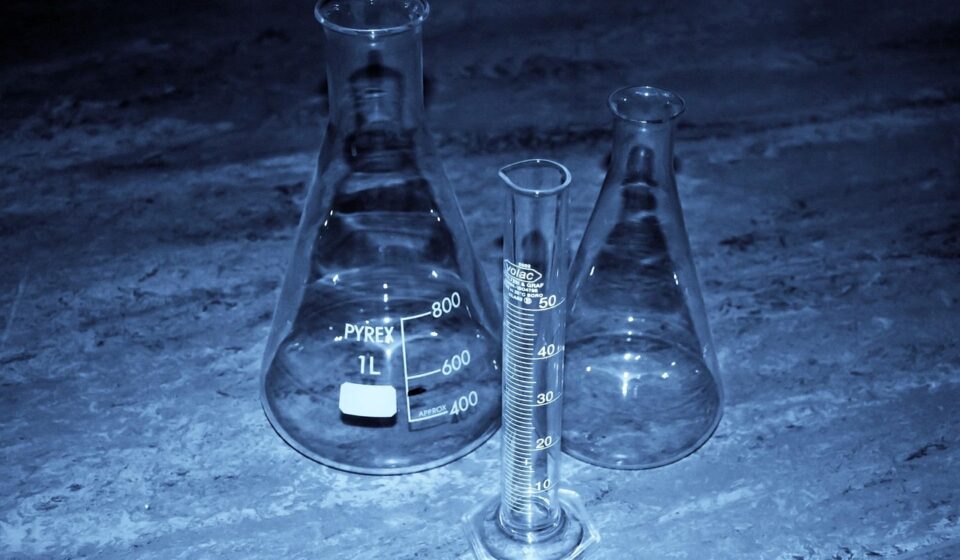
The practical implication is straightforward: the same Erlenmeyer flask may be low risk during room-temperature mixing, moderate risk during heating, and unsuitable for vacuum or pressure work unless it is specifically designed and approved for that service.
Select glassware for the actual procedure
Safe work begins before any liquid is poured. ASTM E438 classifies common glasses used in laboratory apparatus, including low-expansion borosilicate glass, alumino-borosilicate glass, and soda-lime glass. This classification helps buyers and laboratory managers understand material properties such as thermal expansion and chemical durability, but it should not be treated as blanket approval to use any glass item under any condition.
Borosilicate glass is widely used because it resists thermal shock better than ordinary soda-lime glass. It can still fail after sudden temperature change, uneven heating, impact, scratching, etching, or exposure to incompatible chemicals. Volumetric flasks, pipettes, burettes, and graduated cylinders are measurement devices, not general heating vessels. ASTM’s calibration practice for volumetric apparatus notes that chemical attack, dry heating, and visible frosting can affect calibration status. Even where precision is not the main concern, the same surface damage can signal a handling risk.
Shape matters as much as material. Round-bottom flasks distribute stress differently from flat-bottom containers. Heavy-wall glass may be required for some reduced-pressure operations. Pressure reactions should generally use equipment designed and rated for pressure rather than improvised sealed glass setups. If a procedure involves vacuum, pressure, cryogenic cooling, rapid heating, or aggressive chemicals, the setup should be reviewed through the lab’s chemical hygiene or safety approval process before work begins.
Daily handling practices that prevent glassware failure
Inspect before each use
Inspection should be short, consistent, and documented when the task is high risk. Look for chipped rims, star cracks, scratches, frosted or etched surfaces, stress marks near joints, and damaged stopcocks or threads. Hold clean glassware against good light and rotate it slowly. A small flaw that might be acceptable for cold, atmospheric storage can be unacceptable for heating, centrifugation, vacuum filtration, or distillation.
Remove suspect glassware from service instead of returning it to the shelf. Label it clearly for repair, decontamination, or disposal. In many laboratories, the weak point is not the absence of a rule but the absence of a clear place to put rejected glassware.
Assemble without force
Many glass injuries happen during assembly, especially when workers insert tubing through stoppers, force stuck joints, or twist thermometers and glass rods. Use the correct size components, lubricate where the procedure allows, keep hands out of the line of force, and protect hands with suitable gloves or a towel when handling clean glass tubing. Do not use pliers or excessive leverage on stuck joints unless a written procedure and trained personnel support that method.
For ground-glass joints, use proper clips, clamps, and supports so the apparatus is stable without being over-tightened. A clamp should hold the setup securely without creating a stress point. Tubing should not pull sideways on a condenser, vacuum adapter, or gas inlet.
Heat and cool gradually
Thermal stress is often caused by uneven heating rather than high temperature alone. Use heating mantles, baths, or hot plates appropriate to the vessel. Avoid placing hot glass on a cold or wet bench. Do not add cold liquid rapidly to hot glass, and do not heat a closed vessel unless the apparatus is specifically designed for that operation and includes pressure relief or other approved controls.
Hot glass looks like cold glass, so storage and communication are part of the control. Use heat-resistant gloves or tools, leave hot items in a clearly marked cooling area, and warn nearby workers. In teaching labs, instructors should treat hot glassware as a supervision issue, not only as a student technique issue.
Vacuum, pressure, and high-temperature glassware need extra controls
Vacuum and pressure work require separate planning because a failure can project glass fragments and vessel contents across the workspace. The National Research Council’s Prudent Practices in the Laboratory describes vacuum work as an implosion hazard that can involve flying glass, spattering chemicals, and fire. It recommends conducting vacuum operations with shielding and, where appropriate, inside a laboratory chemical hood. Glassware under vacuum should be behind a hood sash or shield and may need tape or resin coating to help contain fragments if failure occurs.
In this context, a chemical hood sash is not only ventilation equipment; it is also a physical barrier. Keep the sash as low as the procedure allows. Use an explosion shield when the energy or chemical hazard justifies it. Chemical splash goggles should be worn for pressure, vacuum, high-temperature, and distillation operations, and a face shield may be added for higher splash or fragment risk. In chemical splash scenarios, a face shield should supplement goggles rather than replace them. See also: buying guides.
Pressure work should not rely on improvised stoppers, flexible tubing, or a closed flask as the safety system. Use apparatus designed for pressure, pressure-rated components, compatible seals, and positive pressure-relief methods. If a reaction can generate gas, become blocked, freeze in a trap, or warm after cryogenic cooling, the setup must have a safe vent path. Cryogenic traps on vacuum lines need special attention because condensed gases or solvents can create pressure when warmed.
Before starting any vacuum or pressure run, ask five questions: Is the glassware designed for this stress? Is every piece free of cracks, scratches, and etching? Is the apparatus shielded from the operator and bystanders? Is there a relief or vent path? Does the written procedure say what to do if pressure rises, vacuum is lost, or glass breaks?
Cleaning, storage, and broken glass disposal
Clean without creating hidden sharps
Cleaning is part of glassware safety because residues, cloudy surfaces, and hidden fragments all increase risk. Clean glassware promptly using a method compatible with the chemical residue. Do not place sharp glass items in a sink full of opaque water where someone may reach in blindly. Use brushes of the right size and avoid forcing them through narrow necks. If strong cleaning agents are used, their chemical hazards should be controlled under the same hazard assessment used for reagents.
Dry and store glassware so rims and joints are protected. Overcrowded shelves, unstable drying racks, and containers stored above eye level increase breakage risk. Heavy bottles and desiccators should be stored where they can be lifted without overreaching. Glassware used for hazardous chemicals should be labeled or segregated according to the lab’s procedure, especially when residues may remain.
Dispose of broken glass according to contamination status
Broken glass disposal should distinguish clean glass, chemically contaminated glass, biologically contaminated glass, and radioactive or otherwise regulated glass. Clean broken glass is usually collected in a designated rigid container, not regular trash. Chemically contaminated glass should follow the laboratory’s hazardous waste procedure. In clinical and biological settings, OSHA’s bloodborne pathogens enforcement guidance states that contaminated broken glassware must not be picked up directly by hand; tools such as forceps or tongs should be used, and the waste should go into an appropriate sharps container.
After a breakage, secure the area first. Warn nearby personnel, allow aerosols or vapors to settle when applicable, put on appropriate PPE, and use mechanical tools rather than bare or gloved hands. Vacuum cleaners are not appropriate for contaminated broken glass. Report repeated breakage, near misses, and unusual glass failures because they may indicate poor storage, incompatible cleaning, over-tightened clamps, thermal shock, or the wrong vessel for the job.
Quick checklist by task
The following table summarizes practical controls and the source basis behind them. It is not a substitute for a laboratory-specific standard operating procedure, but it can help teams check whether local rules cover the main glassware failure modes.
| Task | Main failure mode | Core controls | Source basis |
|---|---|---|---|
| Routine mixing or transfer | Cuts, spills, minor splashes | Inspect rims and walls, keep benches uncluttered, wear basic lab PPE required by the hazard assessment | NIOSH school laboratory guidance and OSHA chemical hygiene principles |
| Heating liquids | Thermal stress, boiling over, burns | Use heat-suitable glassware, heat evenly, avoid closed systems, label hot items while cooling | General laboratory safety practice and OSHA high-temperature eye protection guidance |
| Vacuum filtration or distillation | Implosion, fragments, hot or flammable splatter | Use vacuum-appropriate glassware, inspect for flaws, work behind a sash or shield, wear splash goggles | National Research Council Prudent Practices and OSHA Appendix A guidance |
| Sealed or pressure work | Explosion, projectile glass, chemical release | Use rated equipment, avoid improvised sealed vessels, provide relief paths, review the written procedure before work | OSHA pressure-related eye protection guidance and Prudent Practices pressure-control principles |
| Volumetric measurement | Loss of accuracy, breakage from misuse | Do not use volumetric glassware as general heating or reaction vessels; retire etched or damaged items | ASTM calibration practice and NIST volumetric calibration principles |
| Broken clean glass | Cuts and punctures | Use brush, dustpan, tongs, or forceps; place in a rigid designated broken-glass container | Common laboratory housekeeping and sharps-control practice |
| Broken contaminated glass | Cuts plus chemical or biological exposure | Use mechanical tools, follow hazardous waste or sharps rules, never pick up contaminated broken glass by hand | OSHA bloodborne pathogens guidance and local hazardous waste procedures |
Frequently asked questions
Can borosilicate glassware go directly from heat to a cold surface?
No. Borosilicate glass has better thermal shock resistance than soda-lime glass, but it is not immune to sudden temperature change. Allow hot glassware to cool gradually and place it on an appropriate insulating surface, not on a wet or cold bench.
Are safety glasses enough for lab glassware work?
They may be enough for some low-risk tasks after a hazard assessment, but they are not the preferred protection for splash, projectile, vacuum, pressure, distillation, or high-temperature work. OSHA’s laboratory guidance points to chemical splash goggles for these higher-risk conditions, with face shields added where fragment or splash risk is greater.
What should I do with chipped glassware?
Remove it from service immediately. A chipped beaker may appear usable for storage, but the safest default is to label it for disposal, repair, or supervisor review. Never use chipped, cracked, scratched, or etched glassware for vacuum, pressure, heating, centrifugation, or hazardous chemical work.
Should volumetric flasks and graduated cylinders be heated?
Generally, no. Volumetric glassware is made for measurement, not for general reaction or heating service. Heating can affect calibration and may create breakage risk, especially if the item is dry, etched, scratched, or made from a glass type with lower thermal resistance.
How should a lab clean up broken glass after a spill?
Secure the area, select PPE based on the spilled material, and use mechanical tools such as tongs, forceps, a brush, or a dustpan. If the glass is chemically, biologically, or otherwise contaminated, follow the lab’s regulated waste procedure. Do not pick up contaminated fragments directly by hand, even with gloves.