How Can a Safety Lab Reduce Chemical, Fire, and Exposure Risks?
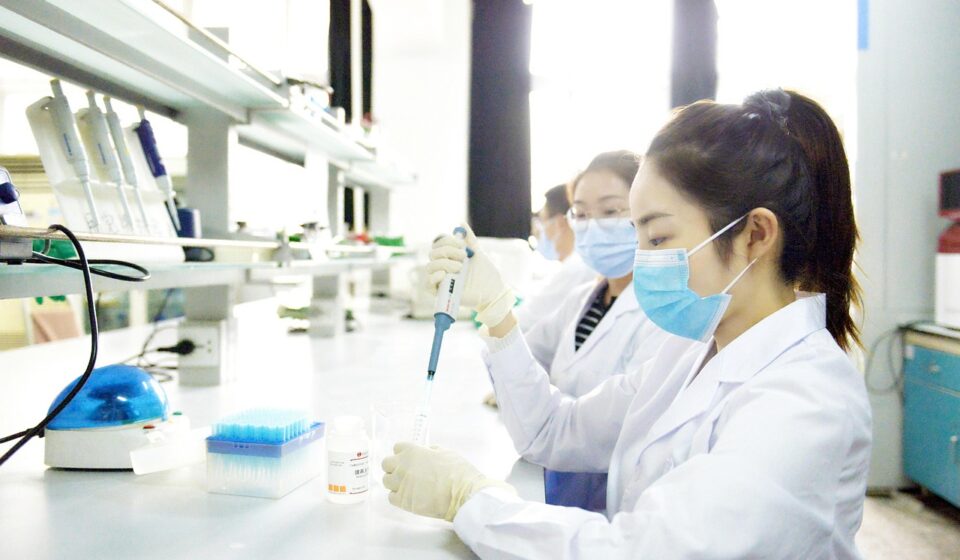
A safety lab is more than a tidy room with goggles sitting on a shelf. It is a work area where hazards are called out before the job starts, equipment is ready to use, people know their duties, and small shortcuts are corrected before they turn into a spill, burn, exposure, or fire.
That sounds simple, but the cost of getting it wrong is real. The U.S. Bureau of Labor Statistics reported in January 2026 that private industry employers recorded 2.5 million nonfatal workplace injuries and illnesses in 2024, with a total recordable case rate of 2.3 cases per 100 full-time equivalent workers. Those are not lab-only figures, and public data does not separate every research, QA, teaching, and industrial lab incident in a neat way. Even so, the numbers give a clear reason to keep safety work steady in any technical workplace. (bls.gov)
What Does a Safety Lab Need Before Any Work Begins?
Good lab safety starts with a written plan and a routine that people follow every day. A worker may remember a rule during onboarding and then miss it months later when a sample delivery lands late on a Friday. Stronger programs make safety easy to see at the bench: written procedures, pre-task checks, named owners, and records that are reviewed instead of stored and forgotten.
Written Chemical Hygiene Plan
For U.S. laboratories that use hazardous chemicals, OSHA 29 CFR 1910.1450 requires a written Chemical Hygiene Plan that can protect employees from health hazards and keep exposures below required limits. The plan must be easy to access, and it should cover standard operating procedures, control measures, fume hoods, PPE, waste removal, decontamination, and an annual review.
In day-to-day lab language, the plan should answer three basic questions: what chemical is here, what can go wrong, and what control keeps the worker safe. If the plan cannot guide a real task at the bench, it needs more work. (osha.gov)
Practical Risk Review Before Each Task
Before weighing powder, heating a solvent, opening a cylinder, or running a centrifuge, stop for a short risk review. Read the procedure, check the Safety Data Sheet, confirm that the fume hood or shield fits the work, and think through what changes if the amount doubles or the reaction runs warm.
This should not turn into paperwork for its own sake. A two-minute bench talk can catch a missing clamp, the wrong glove, or a bottle left too close to the bench edge.
Clear Roles and Daily Accountability
Someone has to own the safety system. OSHA’s non-mandatory laboratory guidance describes duties for a chemical hygiene officer, supervisors, and lab personnel, including plan updates, inspections, training records, and checks on chemical storage and disposal.
In a small lab, one person may handle more than one role. That can work, but the duties need to be written down and supported with time, budget, and authority. (osha.gov)
How Should You Control Chemical Exposure at the Bench?
Exposure control works better when it does not depend on perfect behavior all day. People get tired, gloves tear, and labels wear out. The safer method is to reduce the hazard first, then use engineering controls, work practices, and PPE as extra layers.
Safer Substitutes First
NIOSH describes the hierarchy of controls as the preferred order for controlling workplace hazards, with elimination and substitution placed above engineering controls, administrative controls, and PPE. In a lab, this may mean using a less toxic solvent, buying a dilute standard instead of making it from a concentrated stock, or changing from open transfer to a closed dispensing method.
This type of change may not look impressive on paper. In practice, it can remove a common exposure point and save the team from repeat problems. (cdc.gov)
Fume Hoods and Local Ventilation
A chemical fume hood is not a storage cabinet, and it is not a fix for careless work. It has to match the task, stay free of clutter, and be checked before use.
Keep large equipment from blocking airflow, keep the sash at the marked height, and work several inches inside the hood rather than at the front edge. If a sash alarm starts chirping, do not silence it and keep going as though nothing changed; that sound is there because airflow matters.
PPE as the Last Line
The American Chemical Society’s student safety guidance lists goggles, gloves, lab coats, and aprons as common PPE, while also warning that PPE should not be the only protection. Select gloves by chemical compatibility, not by habit.
Nitrile is common, but it is not right for every solvent or corrosive. Eye protection should match the splash, impact, and vapor risk, and a lab coat with snap closures can be removed faster after contamination than one with tight buttons. (acs.org)
What Equipment Belongs in a Safety Lab Emergency Plan?
Emergency equipment helps only when it is close, working, and familiar to the people using the room. During a splash or release, nobody wants to hunt through a floor plan. Put the right equipment near the hazard, keep access routes open, and practice the route often enough that people move without guessing.
Eyewash and Shower Access
OSHA’s interpretation of 29 CFR 1910.151(c) states that where the eyes or body may be exposed to injurious corrosive materials, suitable quick-drenching or flushing facilities must be available in the work area for immediate emergency use. This is a practical requirement, not just a facility design note.
OSHA also notes that it does not publish one fixed list of corrosives and concentrations that trigger the requirement. The SDS and the employer’s exposure assessment both matter when deciding where eyewash and shower access is needed. (osha.gov)
Spill Kits and Waste Containers
A spill kit should match the chemicals used on site. Acid neutralizer, solvent pads, mercury response materials, sharps containers, and compatible waste bottles are not the same thing and should not be treated as interchangeable.
Label waste containers with the actual contents and hazards. Do not let temporary waste sit for weeks because the label is hard to write; in real labs, messy waste areas often start with one unlabeled flask that everyone works around.
Fire and Shutoff Readiness
Fire response starts before anyone sees flames. Store flammables in approved cabinets when required, keep hot work away from vapors, and make sure workers know how to shut off gas, vacuum, compressed air, and power.
NFPA 45 is widely used as a fire protection standard for laboratories using chemicals, including chemical storage, handling, ventilation, and waste practices. Local fire code and facility policy should be treated as part of the operating procedure, not as a separate binder that stays on a shelf. See also: lab instruments.
How Can Training Turn Rules into Safer Habits?
Training should not be a slide deck that people click through once a year while checking email. It should cover the actual hazards in the room, the controls on the equipment, and the actions expected during normal work and emergency response.
First Assignment and New Exposure Training
OSHA requires information and training when an employee is first assigned to a work area with hazardous chemicals and before assignments involving new exposure situations. The training must cover hazards, detection methods, protective measures, emergency procedures, PPE, and the written Chemical Hygiene Plan.
A new solvent, new laser, new gas cylinder, or new reaction scale can all create a new exposure situation. When the work changes, the training should change with it. (osha.gov)
Short Drills That Build Memory
OSHA’s laboratory guidance recommends drills and suggests walking the fastest route from the work area to the nearest fire alarm, eyewash, and safety shower. That advice is basic, but it works because people remember what they have walked through.
Run a short drill after onboarding, after a lab layout change, and after moving emergency equipment. Ask each person to point to the spill kit and show how to activate the eyewash; if someone hesitates, fix the training rather than blaming the worker. (osha.gov)
Plain Labels, SDS Access, and No Guesswork
Labels and SDS files are part of daily safety, not office decoration. OSHA requires labels on incoming hazardous chemical containers to stay intact, and SDS documents received with shipments must be accessible to lab employees.
ACS guidance also explains that a GHS Safety Data Sheet has 16 sections, including first aid, accidental release measures, handling and storage, exposure controls, and stability data. Train people to find those sections quickly, especially during receiving, setup, spill response, and cleanup. (osha.gov)
How Do You Keep Storage, Housekeeping, and Inspections from Slipping?
Many lab incidents do not start with anything dramatic. A blocked aisle, a crowded hood, a leaking bottle cap, a missing secondary container, or a glove box log that nobody updates can sit for days. Good housekeeping is not about looking tidy for visitors. It keeps hazards visible and easier to control.
Clean Benches and Clear Aisles
Keep bags, carts, empty boxes, and extension cords out of walkways. Keep chemicals and glassware away from bench edges, clean balance areas after weighing, and wash hands and forearms before leaving the lab, even after glove use.
ACS guidance specifically points to clear aisles, spill prevention at the bench edge, proper hazardous waste disposal, and knowing the locations of exits, showers, eyewashes, extinguishers, and spill kits. These are small habits, but they remove many avoidable hazards from the work area. (acs.org)
Chemical Storage by Hazard
Store chemicals by compatibility, not by alphabet order alone. Separate acids from bases, oxidizers from organics, water-reactive materials from water sources, and flammables from ignition sources.
Date peroxide formers when opened, follow shelf-life rules, and remove old unknowns before they become someone else’s problem. If a bottle label is damaged, replace it before memory becomes the only record.
Inspection Notes That Get Closed
An inspection that finds the same blocked eyewash every month is not a working inspection system. It is only a record that the problem was seen and left in place.
Use a simple closeout log with the issue, owner, due date, and final fix. Track repeat problems such as hood clutter, missing PPE sizes, unlabeled secondary containers, and expired spill supplies. The BLS reported that during 2023-2024, exposure to harmful substances and environments cases with days away, restriction, or transfer often led to at least one day away from work, which is a practical reason to fix exposure risks before an incident report is needed. (bls.gov)
FAQ
Q1: What Is the First Step in Building a Safety Lab? A: Start with a written Chemical Hygiene Plan, then connect it to real bench procedures, training, inspections, PPE, emergency equipment, and waste handling.
Q2: Is PPE Enough for Chemical Safety? A: No. PPE matters, but it should support stronger controls such as substitution, ventilation, closed handling, shields, and clear procedures.
Q3: How Often Should Lab Safety Training Happen? A: Train people at initial assignment, before new exposure situations, after procedure changes, and during refresher sessions set by the employer or facility policy.
Q4: When Does a Lab Need an Eyewash or Safety Shower? A: If eyes or skin may be exposed to injurious corrosive materials, OSHA expects suitable quick flushing or drenching facilities in the work area for immediate emergency use.
Q5: What Is the Most Overlooked Safety Lab Habit? A: Housekeeping. Clear aisles, clean benches, readable labels, closed waste containers, and open access to emergency equipment prevent many avoidable problems.