Instruments in a laboratory and what they are used for

What are instruments in a laboratory?
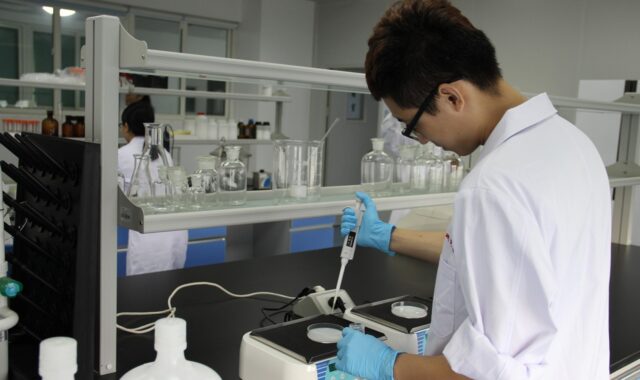
Instruments in a laboratory are the devices, tools, and controlled systems used to produce, measure, process, observe, store, or protect samples and data. A beaker or pipette may support a simple transfer. A centrifuge, analytical balance, microscope, incubator, spectrophotometer, or fume hood can affect whether a test is accurate, safe, and repeatable. The right instrument list depends on the lab’s work. A teaching chemistry lab, clinical microbiology room, environmental testing facility, materials lab, and research lab will not need the same setup.
A practical way to group laboratory instruments is by workflow rather than by product name. Most labs need tools for measurement, sample preparation, separation, temperature control, observation, containment, storage, cleaning, and documentation. For more articles in this area, visit the lab instruments section.
Common instruments in a laboratory by function
No single list fits every laboratory, but the categories below cover many instruments used in chemical, biological, clinical, environmental, and educational settings. The key question is not only what an instrument is called, but what decision it supports in the workflow.
| Function | Common instruments | Typical purpose |
|---|---|---|
| Measuring mass and volume | Analytical balance, top-loading balance, pipettes, burettes, graduated cylinders, volumetric flasks | Prepare standards, weigh samples, dispense liquids, and control concentration. |
| Measuring conditions | Thermometer, pH meter, conductivity meter, pressure gauge, humidity monitor | Check variables that can change test outcomes or storage stability. |
| Sample preparation | Homogenizer, vortex mixer, magnetic stirrer, hot plate, water bath, sonicator | Mix, dissolve, extract, heat, or disperse materials before testing. |
| Separation | Centrifuge, filtration setup, chromatography system, electrophoresis equipment | Separate components by size, density, charge, polarity, or retention behavior. |
| Observation and identification | Microscope, spectrophotometer, colorimeter, refractometer | Observe structures, measure absorbance, compare optical properties, or identify patterns. |
| Controlled environments | Incubator, drying oven, muffle furnace, environmental chamber, refrigerator, freezer | Maintain defined temperature, humidity, or atmosphere during growth, storage, or processing. |
| Safety and containment | Chemical fume hood, biological safety cabinet, emergency shower, eyewash station, autoclave | Reduce exposure risks, contain aerosols or vapors, and decontaminate materials. |
| Data and documentation | Data logger, laboratory information system, instrument software, calibration labels, logbooks | Record measurements, track instrument status, and support traceability. |
This table is a starting point, not a purchasing checklist. A lab that performs routine titration may need accurate glassware and a maintained pH meter more than advanced chromatography. A microbiology lab may prioritize incubators, autoclaves, biological safety cabinets, refrigerators, and microscopes. A materials lab may depend on furnaces, balances, hardness testers, microscopes, and environmental controls.
How instrument choice changes by laboratory type
Laboratory instruments should be selected around the question the lab must answer. In a teaching lab, durability, visibility, cost control, and safe student use often matter as much as high precision. In a quality control lab, repeatability, documented methods, calibration status, and data integrity become more important. In research, flexibility may be important because methods can change as work develops. In regulated testing, instrument selection must align with validated or recognized methods.
Chemistry laboratories commonly use balances, volumetric glassware, fume hoods, hot plates, stirrers, pH meters, spectrophotometers, and chromatographic instruments. The risk profile often includes flammable liquids, corrosives, toxic chemicals, pressure, and heat, so ventilation and storage equipment are part of the instrument system, not optional background items.
Biology and microbiology laboratories often rely on microscopes, incubators, centrifuges, refrigerators, freezers, biosafety cabinets, autoclaves, water baths, pipettes, and colony counters. The CDC and NIH’s Biosafety in Microbiological and Biomedical Laboratories guidance emphasizes that biosafety depends on practices, safety equipment, and facility safeguards working together. In practical terms, a biosafety cabinet is useful only when it is matched to the procedure, properly located, maintained, and used by trained personnel.
Clinical and environmental testing laboratories may use many of the same instruments, but their operating priorities differ. They often need documented sample custody, controlled storage, method-specific acceptance criteria, and clear records showing that instruments were suitable for use when results were generated.
Measurement instruments need calibration, verification, and records
Measurement tools are useful only when their results can be trusted. A balance that drifts, a pipette that delivers the wrong volume, or a pH meter with a worn electrode can affect every later step. Calibration compares an instrument against a standard. Verification checks whether the instrument is still fit for a defined use. Both concepts are central to recognized laboratory quality frameworks.
ISO/IEC 17025, the widely used standard for testing and calibration laboratories, treats equipment control as part of laboratory competence. NIST calibration guidance also highlights traceability, measurement uncertainty, and documented procedures. EPA Good Laboratory Practice rules for certain regulated studies require equipment used to generate, measure, or assess data to be adequately inspected, cleaned, maintained, tested, calibrated, or standardized, with written records of those activities.
For daily operations, a practical instrument control program usually includes:
- A unique identification number or label for each critical instrument.
- A defined owner, location, and intended use.
- Calibration or verification intervals based on risk, manufacturer guidance, method requirements, and performance history.
- Acceptance criteria that state what counts as passing or failing.
- Records of maintenance, repair, adjustment, and out-of-service decisions.
- A process for reviewing results affected by a failed or out-of-tolerance instrument.
The last item is often overlooked. If an instrument fails a check today, the lab may need to evaluate whether previous results are still valid. That review protects data quality; it is not just a paperwork requirement.
Safety instruments are part of the method, not just the room
Safety-related instruments and engineered controls should be chosen with the same care as analytical tools. OSHA’s Laboratory Standard requires a written Chemical Hygiene Plan where hazardous chemicals are used in covered laboratory settings. OSHA’s non-mandatory guidance and related laboratory safety materials also describe the importance of ventilation, chemical fume hoods, emergency equipment, training, and regular inspection.
A chemical fume hood is designed to help prevent or minimize the escape of airborne contaminants into the laboratory when used correctly. It is not simply a storage cabinet, and crowding it with bottles or equipment can interfere with airflow. A biological safety cabinet is different: it is selected for work involving biological materials and is intended to provide defined forms of personnel, product, and environmental protection depending on cabinet type. A clean bench should not be treated as a substitute for a biological safety cabinet when worker protection is required. See also: buying guides.
Centrifuges also need safety attention. They can generate aerosols, mechanical stress, noise, imbalance, and tube breakage hazards. Appropriate rotors, sealed cups when needed, inspection for corrosion or cracks, balanced loading, and clear decontamination procedures are part of safe operation. Autoclaves, ovens, furnaces, cryogenic storage systems, and pressure-related instruments each bring their own risks and should have written procedures, user training, and maintenance checks.
A practical checklist for reviewing laboratory instruments
Before adding a new instrument or auditing an existing setup, it helps to ask questions that connect the instrument to the lab’s actual work. This checklist can be used for a small teaching lab, a routine testing lab, or a growing research space.
- Purpose: What decision will this instrument support, and is that decision critical to safety, quality, or compliance?
- Method fit: Does the instrument meet the range, sensitivity, capacity, and environmental conditions required by the method?
- Users: Who is authorized to use it, and what training do they need before independent operation?
- Installation: Does it require ventilation, utilities, stable bench space, vibration control, drainage, gas supply, or temperature control?
- Calibration and checks: What routine checks are required before use, daily, weekly, monthly, or annually?
- Consumables: Are compatible tips, columns, standards, filters, tubes, reagents, and reference materials available?
- Cleaning: What cleaning or decontamination steps are required, and who records them?
- Failure response: What happens if the instrument gives an error, fails calibration, breaks, or is suspected of producing unreliable results?
- Data: How are results captured, reviewed, backed up, and protected from accidental change?
- Lifecycle: When should the instrument be repaired, upgraded, retired, or replaced?
This approach helps prevent a common problem: buying a sophisticated instrument without the support system needed to use it well. Space, utilities, maintenance, consumables, training, records, and safety controls can matter as much as the instrument’s listed specifications.
How to avoid common mistakes with laboratory instruments
One common mistake is treating precision and accuracy as the same thing. An instrument may give very repeatable numbers while still being biased. Another mistake is assuming that a factory certificate, an old calibration label, or a passing startup screen proves current fitness for use. Instruments can drift, parts can wear, sensors can age, and software settings can be changed.
A second mistake is using instruments outside their intended range. A balance designed for milligram-level work may not be appropriate for heavy containers. A pipette may be unreliable near the extreme low end of its volume range. A refrigerator used for reagent storage may not meet the temperature uniformity needed for sensitive biological samples. These limitations should be documented in procedures and reinforced during training.
A third mistake is separating safety from workflow. If users must cross the room with open samples, work around blocked eyewash access, or place volatile chemicals outside a hood because the hood is crowded, the lab design is working against safe behavior. Good instrument planning reduces these workarounds.
Frequently asked questions
What is the difference between laboratory instruments and laboratory equipment?
The terms are often used together. In general, an instrument is a device that measures, observes, controls, or produces data, such as a balance, microscope, pH meter, or spectrophotometer. Equipment is broader and may include instruments, benches, storage cabinets, fume hoods, refrigerators, safety showers, and support systems.
Which instruments are essential in a basic laboratory?
A basic lab often starts with measuring tools, glassware or plasticware, balances, pipettes, thermometers, mixers, heating or cooling devices, storage units, cleaning tools, and appropriate safety equipment. The exact list depends on whether the lab handles chemicals, biological materials, clinical samples, environmental samples, or teaching exercises.
How often should laboratory instruments be calibrated?
There is no universal interval for every instrument. Calibration frequency should be based on the instrument’s purpose, risk level, manufacturer guidance, method requirements, historical stability, frequency of use, and any applicable quality or regulatory framework. Critical instruments often need scheduled calibration plus routine user checks.
Why are records important for instruments in a laboratory?
Records show whether an instrument was suitable for use when results were produced. They also help identify drift, recurring failures, maintenance needs, user training gaps, and possible effects on past data. Without records, a lab may have difficulty proving that a result was generated under controlled conditions.
Can one instrument serve multiple laboratory functions?
Yes, but only when the instrument is suitable for each use. For example, a balance may support reagent preparation, sample weighing, and quality checks, but each use may require different readability, calibration status, cleaning controls, or documentation. Shared instruments need clear procedures to prevent cross-contamination, misuse, and scheduling conflicts.