How to choose science lab equipment for a safer, more reliable lab
Science lab equipment decisions start with the work, not the catalog
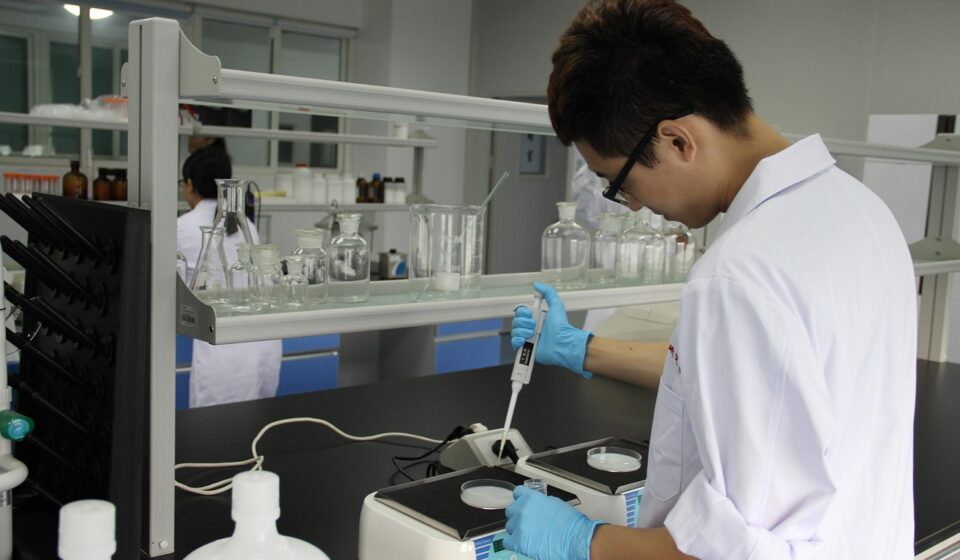
Science lab equipment should be selected for the work a laboratory actually performs: the hazards it must control, the accuracy it needs, and the records it must keep. A teaching chemistry lab, a quality control lab, a microbiology room, and a research laboratory may all use glassware, balances, refrigerators, and protective equipment, but their priorities are different. The safer and more cost-effective approach is to define workflows first, then choose equipment that supports those workflows without creating avoidable safety, maintenance, or data problems.
For readers comparing equipment across the broader lab instruments category, the practical question is not how long the equipment list should be. It is which instruments are necessary, which controls are required, and which specifications matter for the work being done.
Build the equipment list around laboratory risk and workflow
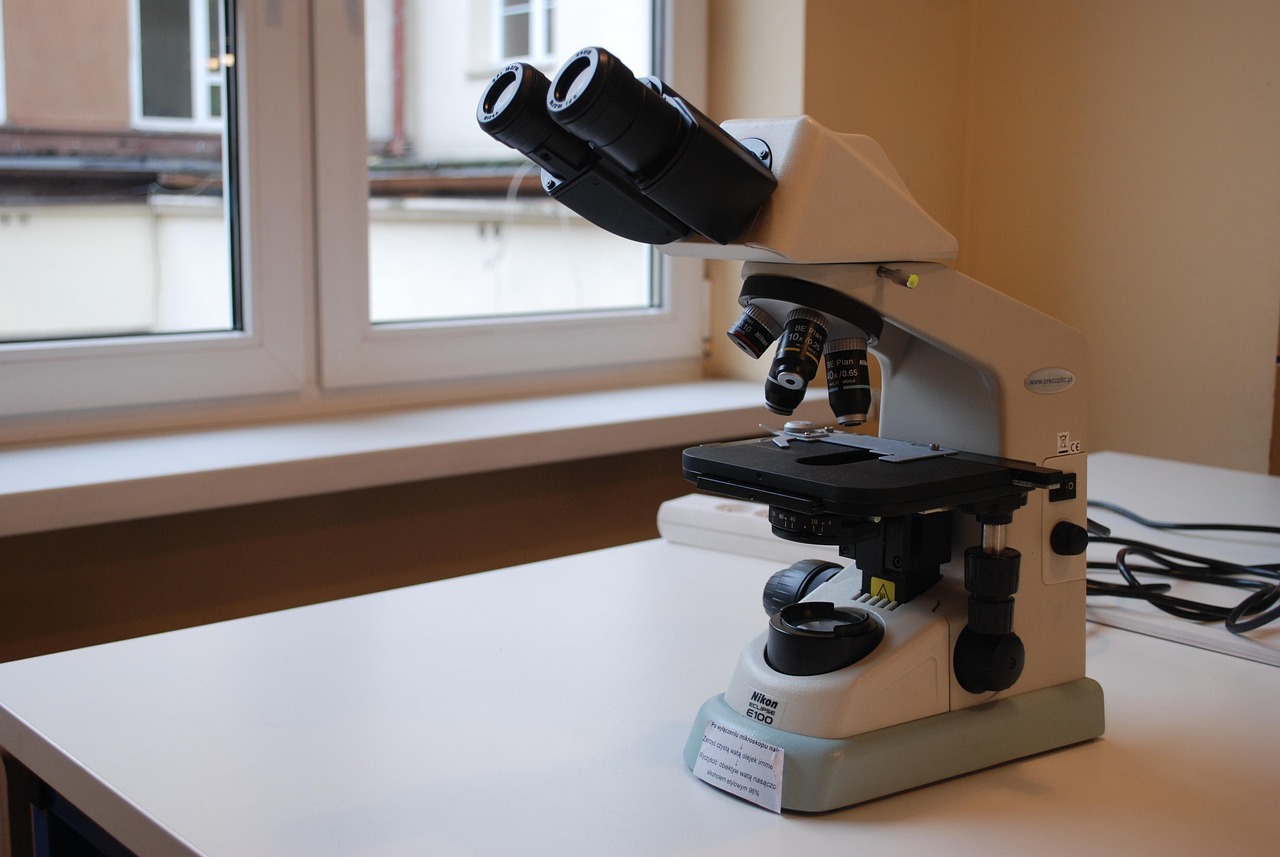
A useful equipment plan begins with a short description of the laboratory’s purpose. What materials will be handled? Will the lab use corrosive chemicals, flammable solvents, biological agents, compressed gases, heat, pressure, lasers, or electrically powered equipment near liquids? Will samples require temperature control, sterile technique, weighing, mixing, separation, microscopy, or chemical analysis?
This workflow-first method helps prevent two common mistakes. One is under-specifying critical equipment, such as buying a general-purpose cabinet when chemical storage requires a cabinet designed for compatible hazards. The other is overbuying, such as selecting advanced analytical instruments before the lab has the sample preparation process, environmental control, staff training, or maintenance budget to use them reliably.
In many workplaces, safety planning is also a regulatory issue. OSHA’s Laboratory standard, 29 CFR 1910.1450, requires laboratories using hazardous chemicals to develop and implement a Chemical Hygiene Plan. That plan is expected to address standard operating procedures, control measures, personal protective equipment, hygiene practices, and the proper function of fume hoods and other protective equipment. Even where a specific rule does not prescribe a product model, it can influence the type, placement, inspection, and documentation of science lab equipment.
Core categories of science lab equipment
Most laboratories need a balanced mix of basic apparatus, measurement instruments, containment systems, storage, and emergency equipment. The table below organizes common categories by function rather than by popularity.
| Equipment category | Common examples | Selection focus |
|---|---|---|
| General apparatus | Glassware, beakers, flasks, pipettes, hot plates, stirrers, clamps | Chemical compatibility, heat resistance, cleanability, durability |
| Measurement and analysis | Balances, pH meters, spectrophotometers, microscopes, chromatography systems | Accuracy, range, resolution, calibration needs, data output |
| Sample preparation | Centrifuges, homogenizers, mixers, water baths, ovens, incubators | Capacity, speed or temperature range, sample containment, repeatability |
| Containment and ventilation | Fume hoods, biosafety cabinets, local exhaust devices, ventilated enclosures | Hazard type, airflow performance, installation conditions, certification |
| Cold storage | Laboratory refrigerators, freezers, ultra-low freezers | Temperature range, monitoring, alarm function, sample security |
| Safety and emergency equipment | Eyewash stations, safety showers, spill kits, fire extinguishers, PPE stations | Accessibility, standard compliance, inspection schedule, staff training |
| Furniture and storage | Benches, casework, chemical cabinets, shelving, carts | Load rating, surface material, chemical resistance, ergonomics |
This structure also makes budgeting clearer. A laboratory may decide to delay optional convenience equipment, but it should not postpone equipment that controls known hazards, protects samples from contamination, or preserves data integrity.
Safety equipment should match the hazard, not the room label
Laboratory safety equipment is sometimes discussed as if every lab needs the same set of devices. In practice, safety equipment must be matched to the materials, procedures, and exposure routes present in the room.
Chemical fume hoods
A chemical fume hood is intended to help protect workers by containing and exhausting hazardous vapors, gases, aerosols, or particulates generated during procedures. Key selection issues include the type of work, sash design, face velocity strategy, exhaust configuration, hood location, and whether the building ventilation system can support the hood. Standards and guidance from groups such as ASHRAE and SEFA emphasize that fume hood performance depends on installation and use, not only the cabinet itself. ASHRAE 110 is widely used as a method for evaluating fume hood containment performance through face velocity, smoke visualization, and tracer gas testing.
Biological safety cabinets
Biological safety cabinets are different from chemical fume hoods. CDC and NIH biosafety guidance describes Class II biosafety cabinets as devices that can provide personnel, product, and environmental protection when used correctly. They are selected for work involving biological agents or materials that may generate infectious aerosols. They are not a general substitute for a chemical fume hood, especially when volatile toxic chemicals are involved. For Class II biosafety cabinets, NSF/ANSI 49 is commonly referenced for design, construction, performance, and field certification requirements.
Emergency eyewash and shower equipment
Emergency eyewash and shower equipment should be chosen and placed with response time in mind. ANSI/ISEA Z358.1 is the commonly referenced U.S. standard for emergency eyewash and shower equipment. In practical terms, laboratories should check accessibility, unobstructed pathways, flushing duration, water temperature suitability, weekly activation checks, and annual inspections. The presence of an eyewash unit is not enough if it is blocked, disconnected, poorly maintained, or located too far from the hazard.
Measurement quality depends on specifications, calibration, and use
For analytical and measurement instruments, the purchase decision should start with the required result. A balance, for example, should not be chosen only by capacity or price. The buyer also needs to consider readability, repeatability, minimum sample weight, draft protection, calibration approach, environmental sensitivity, and how results will be recorded.
In regulated or quality-driven environments, instrument qualification is a major concern. USP General Chapter <1058> is widely used in pharmaceutical and analytical settings as a framework for analytical instrument qualification. The underlying idea is straightforward: the amount of qualification and documentation should match the complexity of the instrument and the risk associated with its results. A simple thermometer and a computerized chromatography system should not be managed in the same way.
For many laboratories, a practical equipment file should include the user requirement, purchase record, manual, installation notes, calibration certificates, maintenance records, repair history, software information if applicable, and decommissioning notes. This documentation may feel administrative, but it helps explain whether a result can be trusted months or years later.
Specifications that matter before purchase
Equipment specifications are useful only when they connect to the laboratory’s real constraints. Before buying, compare the following points:
- Performance range: Confirm that the instrument covers the expected sample size, temperature, speed, pressure, wavelength, or measurement range with an appropriate margin.
- Accuracy and resolution: Avoid paying for precision the workflow cannot use, but do not accept a specification that cannot support the required decision.
- Capacity and throughput: A low-cost instrument may become expensive if it creates bottlenecks during routine work.
- Compatibility: Check chemical resistance, biological containment needs, electrical requirements, gas connections, water supply, drains, software compatibility, and bench space.
- Installation requirements: Some equipment needs ventilation, vibration control, temperature stability, humidity control, service clearance, or dedicated circuits.
- Maintenance burden: Consider consumables, filters, lamps, probes, seals, rotors, service contracts, calibration intervals, and downtime risk.
- User training: Equipment that is technically capable can still produce poor results if users are not trained on limits, setup, cleaning, and routine checks.
- End-of-life planning: Ask whether parts, consumables, software support, and qualified service are likely to remain available for the expected life of the equipment.
This comparison is especially important for shared laboratories, where one instrument may serve multiple methods and multiple users. In those settings, simplicity, reliability, and clear operating procedures can be more valuable than advanced features that few users understand. See also: buying guides.
Do not separate equipment planning from space planning
Laboratory equipment affects the room around it. A centrifuge may need a stable surface and clearance around the lid. A balance may need protection from drafts, vibration, and temperature swings. Refrigerators and freezers add heat to the room and may require alarm monitoring. Fume hoods influence building exhaust and makeup air. Autoclaves may require water, drainage, steam, heat tolerance, and special operating procedures.
Space planning should also consider workflow direction. Clean and dirty areas should not overlap unnecessarily. Chemical storage should be separated by compatibility, not arranged alphabetically if that places incompatible materials together. Emergency equipment should remain visible and reachable. Heavy items should not be stored where they require unsafe lifting. Frequently used items should be placed where they reduce unnecessary movement, carrying, and crowding.
For teaching labs, visibility and supervision may be as important as equipment capacity. For research labs, flexibility may matter more because methods and projects change. For quality control labs, repeatability, documentation, and controlled conditions usually carry more weight. The right science lab equipment plan is therefore a combination of instruments, room layout, standard procedures, and training.
A practical procurement checklist
Before approving a purchase, laboratories can use this checklist to reduce avoidable problems:
- Define the method, sample type, hazard, and expected user group.
- Write the minimum technical requirements before comparing brands or models.
- Confirm applicable safety, biosafety, electrical, ventilation, or quality requirements.
- Check whether the facility can support power, exhaust, water, gas, drainage, heat load, and floor or bench loading.
- Ask how installation, acceptance testing, calibration, and user training will be documented.
- Estimate the total cost of ownership, including consumables, service, spare parts, software, and downtime.
- Plan where records will be stored and who is responsible for routine checks.
- Decide how the equipment will be cleaned, decontaminated, repaired, moved, or retired.
The best procurement decision is not always the lowest purchase price. A more reliable instrument with accessible service, clear documentation, and suitable performance may cost less over its useful life than a cheaper unit that repeatedly disrupts work.
Maintenance turns equipment from an asset into a dependable system
Laboratory equipment should have a maintenance plan from the first day it is used. That plan can be simple for basic apparatus and more formal for equipment that affects safety or reported results. At minimum, assign responsibility for routine inspection, cleaning, calibration, performance checks, and repair reporting.
Critical safety equipment needs special attention because failure may not be obvious until an emergency occurs. Fume hoods, biosafety cabinets, eyewash stations, safety showers, fire protection equipment, alarms, and temperature monitoring systems should be checked on a defined schedule. Measurement instruments should be calibrated or verified at intervals appropriate to their use and risk. Centrifuge rotors should be inspected for corrosion, fatigue, or damage. Refrigerators and freezers should be monitored for temperature excursions, especially when storing valuable or sensitive samples.
Good maintenance records also improve purchasing decisions. If a model has frequent probe failures, expensive consumables, software instability, or long repair delays, those facts should guide the next procurement cycle. Over time, the laboratory builds its own evidence base instead of relying only on catalog claims.
Frequently asked questions
What science lab equipment is essential for a new laboratory?
Essential equipment depends on the laboratory’s purpose. Most labs need basic apparatus, measurement tools, storage, PPE, emergency equipment, and cleaning supplies. Chemical labs may need fume hoods and chemical-resistant storage. Biological labs may need biosafety cabinets, incubators, autoclaves, and validated decontamination procedures. The essential list should be based on hazards and methods, not copied from a generic inventory.
What is the difference between a fume hood and a biosafety cabinet?
A chemical fume hood is designed to help remove chemical fumes, vapors, and aerosols from the work area through exhaust ventilation. A biological safety cabinet is designed for work with biological materials and, depending on class and type, can provide personnel, product, and environmental protection. They are not interchangeable pieces of science lab equipment.
How often should lab equipment be calibrated?
Calibration frequency depends on the instrument, manufacturer recommendations, method requirements, risk level, use intensity, and regulatory expectations. A balance used for critical quantitative work usually needs a more formal schedule than a tool used only for rough preparation. The key is to document the rationale and keep records of calibration, verification, and corrective action.
Should a lab buy new or used equipment?
Used equipment can be appropriate when condition, service history, documentation, parts availability, and performance can be verified. It is risky when software is unsupported, safety components are uncertain, calibration cannot be confirmed, or the instrument is critical to regulated results. For containment, life-safety, or high-impact analytical equipment, verification and certification should be part of the purchase decision.
What is the most common mistake when selecting laboratory equipment?
The most common mistake is treating equipment selection as a product comparison instead of a workflow and risk decision. A model with impressive specifications may still be wrong if the room cannot support it, users are not trained for it, maintenance is unrealistic, or its performance does not match the laboratory’s actual methods.