Botany lab instruments for microscopy, culture, and plant analysis
What botany lab instruments need to do
Botany lab instruments are not a universal kit. A teaching lab may only need microscopes, slides, stains, balances, glassware, and plant presses. A plant tissue culture or pathology lab will also need sterilization, aseptic handling, incubation, and diagnostic capability. The right equipment list depends on the work being done: observing plant structures, preserving specimens, preparing media, growing plant material under controlled conditions, measuring physiological responses, or detecting plant pathogens.
This guide groups instruments by workflow rather than by product category. That approach helps a lab avoid buying expensive equipment that looks useful but does not fit its experiments, space, utilities, or staff training. For broader equipment coverage, see the lab instruments section.
Start with the botanical workflow, not the instrument list
A practical botany laboratory usually supports one or more of four work areas: plant anatomy and taxonomy, plant physiology, plant culture, and plant pathology. Each area has different requirements for observation, sample preparation, contamination control, measurement accuracy, and data recording.
For example, a plant anatomy class can operate with microscopes, dissecting tools, stains, prepared slides, fresh specimens, and basic glassware. A tissue culture lab has a different set of needs: sterile media preparation, autoclaving, aseptic transfer, controlled light and temperature, and routine contamination tracking. A plant pathology or molecular diagnostics workflow may add nucleic acid extraction, PCR or real-time PCR, electrophoresis, biosafety procedures, and validated work instructions.
This workflow-first approach matters because the word instrument covers very different tools. A hand lens is an instrument for field botany. A compound microscope is an instrument for cell and tissue observation. A spectrophotometer measures absorbance in plant biochemistry assays. A growth chamber is an instrumented environment for controlling light, temperature, and humidity.
Core instruments for plant observation and specimen work
Observation is the foundation of botany, so microscopy and specimen handling are often the first priorities. In a basic botany lab, compound microscopes are used for thin sections, epidermal peels, stomata, pollen, vascular tissues, and prepared slides. Stereo microscopes are better suited to larger three-dimensional material, including seeds, small flowers, leaf surfaces, root tips, and dissected plant parts.
Common supporting tools include slides, cover slips, teasing needles, scalpels, forceps, droppers, staining trays, glass rods, Petri dishes, watch glasses, hand lenses, and dissecting boards. These items cost far less than major equipment, but they strongly affect the quality of practical work. Poor slides, dull blades, or unsuitable forceps can make a simple plant anatomy exercise harder than it needs to be.
Specimen preservation requires a different set of instruments and storage materials. Plant presses, blotting paper, drying ovens, herbarium cabinets, specimen jars, labels, barcode systems, and imaging stations help turn short-lived plant material into reference collections. Major botanical institutions treat preserved specimens as long-term scientific data. Kew describes its science collections as including herbarium material, spirit collections, seed collections, DNA and tissue banks, microscope slide collections, and linked digital resources, which shows why specimen handling remains central to botanical work. (kew.org)
Digital imaging is useful even in modest laboratories. A microscope camera, copy stand, calibrated scale, and consistent lighting can improve documentation for teaching, taxonomy, and quality control. The key is not the camera alone, but repeatability: images should include magnification, scale, sample ID, date, and preparation method.
Instruments for plant tissue culture and aseptic work
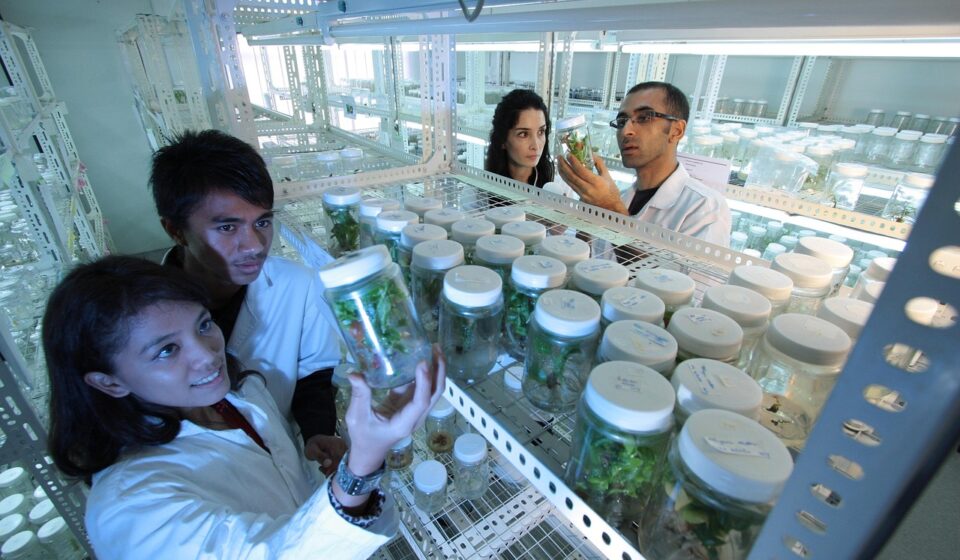
Plant tissue culture uses nutrient media that can also support unwanted microbial growth. For that reason, aseptic technique and sterilization equipment are core requirements, not optional accessories. The Food and Agriculture Organization notes that aseptic conditions are a prerequisite for plant cell culture incubation and lists laminar air flow cabinets, autoclaves, dry sterilization ovens, filtration equipment, purified water systems, culture rooms or cabinets, and shelves among relevant facilities and equipment. (fao.org)
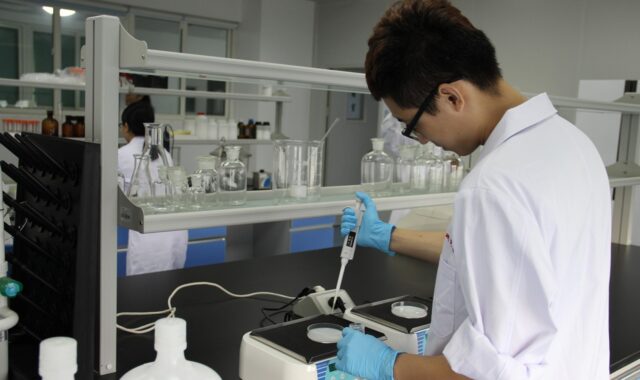
A practical tissue culture setup usually includes an autoclave, a laminar flow cabinet or other appropriate sterile work enclosure, an analytical or top-loading balance, pH meter, hot plate or magnetic stirrer, media bottles, culture vessels, micropipettes, forceps, scalpels, an alcohol burner or bead sterilizer where permitted by the lab safety plan, a refrigerator, and a controlled growth space. The exact configuration depends on plant species, throughput, contamination tolerance, and whether the work is for teaching, propagation, or research.
A USDA-ARS plant tissue culture protocol dated October 2025 illustrates how these requirements appear in practice. It identifies the need for a sterile environment, states that glassware, vessels, media, tools, water, and Petri dishes are sterilized in an autoclave before culturing, and lists items such as a sterile work hood, micropipette, autoclave, pH probe, forceps, blade, and Petri dishes. (ars.usda.gov)
One common mistake is to treat a laminar flow cabinet and a biological safety cabinet as interchangeable. A laminar flow cabinet is generally chosen to protect samples from contamination during aseptic plant work. A biological safety cabinet is selected when the risk assessment calls for personnel, environmental, and product protection from biological hazards. The choice should be made through a documented risk assessment, not by appearance or price.
Plant physiology and analytical instruments
Plant physiology labs ask measurement questions: how fast a plant transpires, how light affects photosynthesis, how pH influences growth, or how a treatment changes pigment concentration. Instruments in this area should be selected according to the measurement endpoint, required precision, sample number, and the level of control needed during the experiment.
| Workflow | Typical instruments | What they help measure or control |
|---|---|---|
| Media and solution preparation | Balances, pH meter, magnetic stirrer, hot plate, volumetric glassware | Mass, pH, mixing, heating, and reproducible preparation |
| Plant growth studies | Incubator, growth chamber, seed germinator, light meter, thermometer, hygrometer | Temperature, light, humidity, germination, and growth conditions |
| Pigment and biochemical assays | Spectrophotometer, centrifuge, water bath, micropipettes | Absorbance, sample separation, timed reactions, and small-volume transfer |
| Water and gas exchange studies | Potometer, porometer, gas exchange system, chlorophyll fluorometer | Transpiration, stomatal conductance, photosynthetic gas exchange, and chlorophyll fluorescence |
| Specimen documentation | Microscope camera, imaging stand, scale bar, computer or tablet | Repeatable visual records and measurement traceability |
Not every lab needs advanced gas exchange or fluorescence systems. In many teaching settings, simpler equipment can demonstrate the concept before the lab invests in higher-end instruments. A potometer, for example, can introduce transpiration, while a full gas exchange analyzer is more suitable for quantitative research with controlled experimental design.
Analytical instruments also create maintenance responsibilities. Balances need stable benches and calibration checks. pH meters need proper electrode storage and buffer verification. Spectrophotometers need clean cuvettes, wavelength checks where applicable, and consistent blanking. A lab that cannot maintain an instrument may produce less reliable data than a lab using simpler but well-controlled methods.
Plant pathology and diagnostic instruments
Plant pathology overlaps with botany but adds a diagnostic mindset. A plant disease investigation may begin with visual symptoms, continue through microscopy or culture, and then move to molecular testing if required. Typical instruments include stereo microscopes, compound microscopes, incubators, autoclaves, biosafety equipment chosen by risk assessment, centrifuges, micropipettes, electrophoresis systems, thermal cyclers, real-time PCR instruments, refrigerators, freezers, and sample tracking tools. See also: buying guides.
USDA APHIS describes its Plant Pathogen Confirmatory Diagnostics Laboratory as developing, adapting, validating, and using diagnostic methods for regulated plant pathogens. Its listed accomplishments include PCR-based assays and real-time multiplex PCR work instructions. That example shows why plant pathology laboratories often need instruments for both classical observation and molecular confirmation. (aphis.usda.gov)
For smaller teaching laboratories, the lesson is not to buy a full diagnostic platform immediately. It is usually more practical to build capability in stages: symptom documentation, microscopy, sterile technique, culture observation where appropriate, and then molecular tools if staff training, validation, sample controls, and biosafety procedures are in place.
Safety, compliance, and contamination control
Safety planning should be part of instrument selection. In the United States, OSHA’s Laboratory Standard requires employers using hazardous chemicals in laboratory settings to develop and implement a written Chemical Hygiene Plan. The standard specifies elements such as standard operating procedures, control measures, properly functioning protective equipment, training, and additional protection for particularly hazardous substances. (osha.gov)
Biological work also needs risk-based containment. The CDC explains that it partners with NIH to publish Biosafety in Microbiological and Biomedical Laboratories, a guidance document for protecting workers and preventing exposures in biological laboratories. Even when a botany lab mainly works with plant material, biosafety thinking is relevant when handling unknown environmental samples, plant pathogens, genetically modified material, or cultures that may contain opportunistic microbes. (cdc.gov)
Safety instruments and controls may include fume hoods, biological safety cabinets, eyewash stations, spill kits, autoclave gloves, sharps containers, PPE storage, fire extinguishers, safety signage, and waste segregation systems. These are not decorative items. They should correspond to the chemicals, heat sources, biological materials, sharps, and pressurized equipment actually used in the lab.
Contamination control is also a data-quality issue. In tissue culture, contamination can destroy experiments. In microscopy, dirty lenses and reused slides can mislead students. In molecular diagnostics, cross-contamination can create false positives. Good instruments need good work habits: cleaning schedules, calibration logs, training records, labeled storage, and clear responsibility for maintenance.
A practical buying checklist for botany labs
Before purchasing botany lab instruments, define the experiments the lab must support over the next one to three years. A realistic checklist helps prevent both underbuying and overspending.
- Match each instrument to a workflow. If it does not support observation, preparation, growth, measurement, diagnosis, safety, or documentation, question the purchase.
- Define sample type and throughput. Fresh leaves, seeds, herbarium specimens, tissue culture explants, and diseased plant tissue require different handling.
- Check space and utilities. Autoclaves, growth chambers, refrigerators, and hoods may need ventilation, drainage, electrical capacity, or heat management.
- Plan consumables. Microscopes need slides and coverslips; tissue culture needs vessels and media components; PCR needs tips, tubes, reagents, and controls.
- Budget for calibration and service. A lower purchase price may not be economical if service, parts, and user training are unavailable.
- Separate teaching needs from research needs. Durable student microscopes may be more valuable in a classroom than a small number of delicate high-end instruments.
- Document safety requirements. Select hoods, cabinets, PPE, and waste systems through chemical and biological risk assessment.
The best instrument list is a living document. It should change when course objectives, research questions, sample types, or safety requirements change. A lab that begins with microscopy and specimen preparation may later add tissue culture, plant physiology, or molecular diagnostics, but each expansion should bring the necessary training and quality controls with it.
Frequently asked questions
What are the most essential botany lab instruments for a teaching lab?
Most teaching botany labs start with compound microscopes, stereo microscopes or hand lenses, slides, cover slips, dissection tools, stains, Petri dishes, glassware, balances, a pH meter, plant presses, specimen storage, and basic safety equipment. If the course includes tissue culture, the lab will also need sterilization and aseptic work equipment.
Does every botany lab need an autoclave?
No. A lab focused only on plant identification, microscopy, and dry specimen work may not need one. An autoclave becomes important when the lab prepares sterile media, performs tissue culture, handles cultures, or needs validated steam sterilization for tools, glassware, media, or waste.
Is a laminar flow cabinet enough for plant tissue culture?
It can be appropriate for many plant tissue culture tasks when the main aim is sample protection from contamination. If the work involves hazardous biological materials, aerosols, unknown pathogens, or procedures requiring personnel and environmental protection, a biological safety cabinet or other containment control may be required after risk assessment.
What is the difference between botany and plant pathology instruments?
Botany instruments support the broad study of plant structure, function, growth, classification, and reproduction. Plant pathology instruments add tools for disease investigation, such as diagnostic microscopy, culturing equipment, nucleic acid extraction, PCR, real-time PCR, biosafety controls, and documented sample tracking.
How should a small lab prioritize purchases?
Start with instruments that support the highest number of required exercises: microscopes, sample preparation tools, balances, pH measurement, glassware, safe storage, and documentation. Add specialized instruments only when the lab has the workflow, staff training, space, utilities, consumables, and maintenance plan to use them reliably.