Indoor plants maintenance tips for healthier houseplants year-round
Build maintenance around plant needs, not a fixed calendar
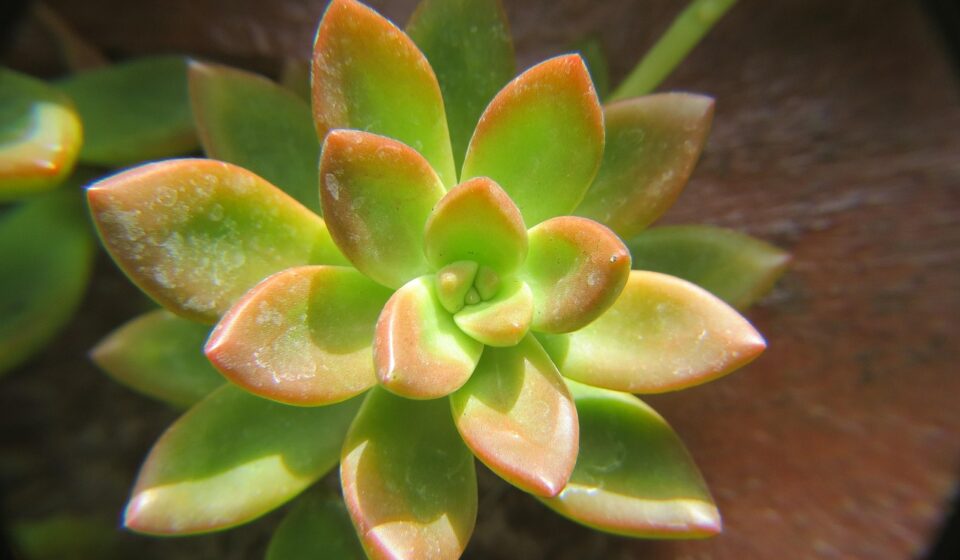
The most useful indoor plants maintenance tips start with a simple rule: match the care to the plant and the room. Watering, feeding, or moving every plant on the same schedule often creates problems, because indoor plants respond differently to light, temperature, humidity, pot size, growing medium, and season. A pothos in medium indirect light, a fern in a dry heated room, and a succulent near a sunny window will not need the same routine.
University extension guidance from Maryland, Missouri, Penn State, and Minnesota points to the same practical pattern: many houseplant problems start when routine care ignores actual growing conditions. Overwatering, low light, poor drainage, dry winter air, and uninspected pests usually cause more damage than missing one ideal maintenance step.
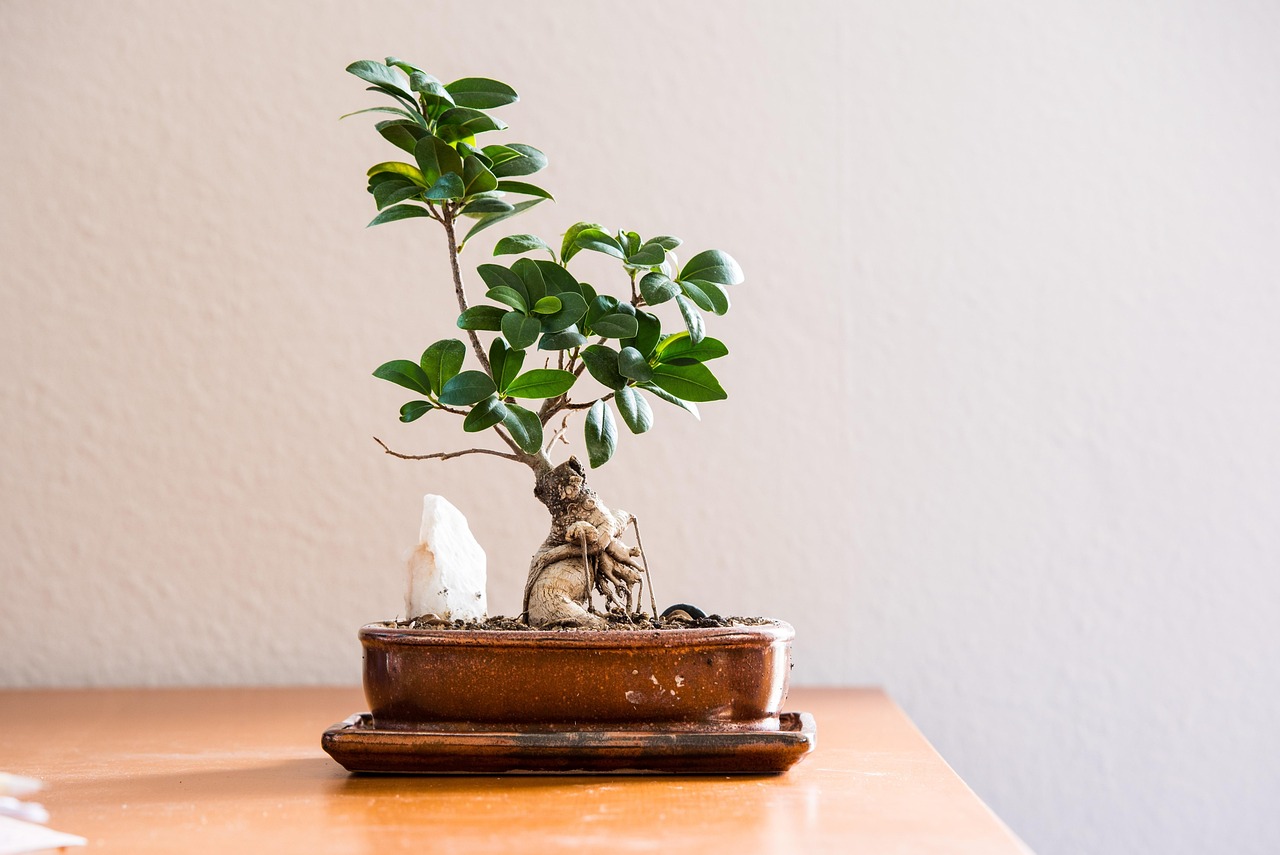
A reliable indoor plant routine should include four quick checks: soil moisture, light exposure, leaf and stem condition, and drainage. These checks take only a few minutes, but they help determine whether to water, rotate, prune, clean, isolate, or leave the plant alone.
Water by soil moisture and drainage
Watering is the maintenance task most likely to help or harm indoor plants. Before adding water, check the pot. For many common foliage plants, the top one to two inches of potting mix can dry before watering again. Succulents and cacti usually need a longer dry period, while some tropical plants prefer more even moisture.
Use more than one signal when possible:
- Finger test: press a finger into the potting mix to feel whether the upper layer is dry or still moist.
- Pot weight: lift the container after watering and again when dry; the difference becomes easier to recognize over time.
- Leaf behavior: wilting, yellowing, gray-green color, or leaf drop can indicate water stress, but these symptoms may come from either too much or too little water.
- Soil surface: shrinking soil, cracking, or pulling away from the pot edge suggests the mix has become very dry.
When watering from the top, add water until it reaches the drainage holes, then let the pot drain. Do not leave roots sitting in a saucer of water. Missouri Extension guidance recommends discarding water left under a pot after watering rather than allowing it to remain around the roots. Saturated potting mix holds less oxygen and can encourage root rot.
If you bottom-water, water from above occasionally to help flush soluble salts through the pot. White crust on the soil surface or pot rim can indicate salt buildup, especially when fertilizer is used regularly or indoor water evaporates quickly.
Match light to the plant and rotate for balanced growth
Light affects how much water and fertilizer a plant can use. A plant in low light grows more slowly and dries more slowly. A plant in stronger light uses water faster and may benefit from more active feeding during growth periods. For that reason, watering and fertilizing routines should be adjusted when a plant is moved closer to or farther from a window.
Use these practical light categories:
| Indoor light condition | Typical location | Maintenance implication |
|---|---|---|
| Direct light | Sun reaches the leaves, often near a bright south- or west-facing window | Check soil more often and watch for scorched leaves on plants that prefer indirect light |
| Bright indirect light | Near a bright window but outside harsh direct sun, or behind a sheer curtain | Suitable for many tropical foliage plants and easier to manage for steady growth |
| Medium indirect light | Several feet from a bright window or near an east-facing window | Water less frequently than plants in brighter positions |
| Low light | Farther from windows, hallways, or rooms with limited natural light | Choose tolerant plants and avoid heavy watering or fertilizing |
Plants lean toward a light source. Rotate pots a quarter turn every week or two if more even growth is desired. Thin, pale, stretched stems may indicate too little usable light. Bleached patches or crisp brown areas after a move may mean the plant received too much direct sun too quickly.
Flowering houseplants generally need brighter conditions than many foliage plants. If a plant does not bloom but otherwise looks healthy, insufficient light may be part of the problem. Supplemental grow lights can help in darker rooms, but they should be selected and positioned for the plant rather than used as decorative lighting alone.
Control humidity and temperature realistically
Indoor humidity often drops during the heating season. Penn State Extension notes that heated winter air can fall below comfortable humidity levels for many tropical houseplants. Needs still vary by plant. Cacti and succulents usually tolerate drier air better than ferns, calatheas, and many thin-leaved tropical plants.
For most homes, room-level humidity changes are more useful than quick sprays. A humidifier near humidity-loving plants is usually more effective than occasional misting. Grouping plants can create a slightly more favorable microclimate, but crowded foliage still needs airflow to reduce disease risk. Pebble trays may slightly moisten the immediate area around a pot, but they should not be treated as a complete solution for a very dry room.
Temperature stability matters as well. Keep plants away from cold drafts, exterior doors, heating vents, fireplaces, and air-conditioning blasts. Sudden temperature changes can stress plants even when the average room temperature appears acceptable.
If houseplants spend summer outdoors, bring them inside before cold nights arrive. Recent University of Minnesota and Penn State guidance uses 50°F as a practical threshold for many tropical houseplants, with exceptions for some succulents or cool-tolerant plants. A safer habit is to move plants gradually instead of waiting for the first damaging cold night.
Clean, prune, and inspect leaves as part of routine care
Maintenance is not only watering. Dusty leaves receive less light, and indoor dust can build up quickly on broad-leaved plants. Wipe leaves with a damp soft cloth, support each leaf while cleaning, and avoid harsh household cleaners. Smaller sturdy plants can often be rinsed with lukewarm water in a sink or shower, as long as the pot drains well afterward.
Pruning keeps plants healthy and easier to inspect. Remove yellow, brown, dead, or diseased-looking leaves with clean scissors or pruners. Pinch or cut leggy stems above a node to encourage fuller growth where appropriate. Do not remove too much foliage at once from a stressed plant; heavy pruning is better reserved for plants that are actively growing and otherwise stable.
Leaf inspection is the easiest way to catch pests early. Look under leaves, along stems, around leaf joints, and near the soil surface. Common indoor plant pests include spider mites, scale insects, mealybugs, aphids, whiteflies, and fungus gnats. Fungus gnats are especially associated with persistently moist potting mix, so better watering and drainage are part of pest prevention. See also: buying guides.
Quarantine new plants or plants returning indoors for a short observation period when possible. Keep them separate from established plants, inspect them closely, and avoid placing an unknown pest problem directly onto a crowded plant shelf.
Fertilize only when the plant can use nutrients
Fertilizer is not medicine for every weak plant. If a plant is declining because of root rot, low light, pests, or cold stress, fertilizer can make the problem worse by adding salts to already stressed roots. Feed plants when they are actively growing and have adequate light, not simply because another month has passed.
During spring and summer, many houseplants can use a balanced houseplant fertilizer at reduced strength. Minnesota Extension guidance for spring care suggests starting gently, such as half-strength feeding every two to four weeks for plants producing new growth. Plants in brighter light may use nutrients more quickly than plants in dim rooms.
In winter, many indoor plants slow down because days are shorter and indoor light is weaker. Reduce or pause fertilizing unless the plant is still growing strongly under adequate natural or supplemental light. Signs of overfertilizing can include brown leaf tips, white crust on the soil surface, weak growth, or general decline despite regular watering.
Always water appropriately before fertilizing according to the product label. Applying fertilizer to very dry roots can increase stress. More fertilizer does not create a healthier plant; it only increases the risk of salt buildup when the plant cannot use it.
Repot when roots, soil, or drainage tell you to
Repotting should solve a specific problem. A plant may need repotting when roots circle tightly around the root ball, water runs straight through without wetting the mix, growth stalls during the active season, the potting mix breaks down, or roots emerge from drainage holes. However, moving a plant into a much larger pot can hold excess moisture around the roots.
Choose a container with drainage holes and move up only one pot size in most cases. Use a potting mix suited to the plant type: a moisture-retentive but airy mix for many tropical foliage plants, a faster-draining mix for succulents and cacti, and specialty mixes for plants with unusual root needs. Garden soil is usually too dense for indoor containers.
After repotting, water thoroughly and let the plant adjust. Keep it out of harsh direct sun for a short period if it appears stressed. Avoid fertilizing immediately unless the potting mix and plant condition make it appropriate; fresh mix may already contain nutrients, and disturbed roots need time to recover.
Use a seasonal indoor plant maintenance checklist
Indoor plant care changes through the year. A seasonal checklist helps prevent overcorrecting and keeps maintenance practical.
| Season | What to check | Maintenance focus |
|---|---|---|
| Spring | New growth, longer daylight, root crowding | Clean leaves, resume gentle feeding, repot if needed, increase watering only as soil dries faster |
| Summer | Heat, stronger light, faster drying pots | Water more attentively, protect sensitive plants from direct sun, acclimate plants gradually if moved outdoors |
| Autumn | Shorter days, plants returning indoors, cooler nights | Inspect for pests, quarantine returning plants, reduce watering as growth slows |
| Winter | Low light, dry heated air, drafts | Water less often, raise humidity where needed, pause heavy feeding, keep plants away from vents and cold windows |
For more upkeep guides across different household and equipment topics, visit the maintenance tips section.
Frequently asked questions
How often should indoor plants be watered?
There is no single correct schedule. Check soil moisture first. Many common houseplants can be watered when the top one to two inches of mix feel dry, while succulents and cacti usually need to dry more thoroughly. Pot size, light, humidity, temperature, and season all affect watering frequency.
Why are my indoor plant leaves turning yellow?
Yellow leaves can come from overwatering, underwatering, low light, natural aging, pests, poor drainage, nutrient issues, or temperature stress. Start by checking soil moisture and drainage, then inspect the leaves and stems for pests. If the soil is constantly wet, improve drainage and allow the mix to dry appropriately before watering again.
Should I mist indoor plants every day?
Daily misting is not a dependable way to raise room humidity for most houseplants because the effect is brief. A humidifier, better plant placement, and grouping humidity-loving plants are usually more practical. Air plants are a special case because misting can be part of their watering routine.
When should I repot an indoor plant?
Repot when the plant shows a real need, such as crowded roots, poor drainage, degraded potting mix, or stalled growth during the active season. Choose a pot with drainage holes and avoid moving to a container that is much larger than the current one.
What is the simplest routine for beginners?
Once a week, check soil moisture, look under leaves for pests, remove dead foliage, rotate the pot if growth is leaning, and empty any standing water from saucers. Adjust watering and feeding based on what you observe rather than following the same routine for every plant.