Goggles in lab settings: how to choose and use the right eye protection
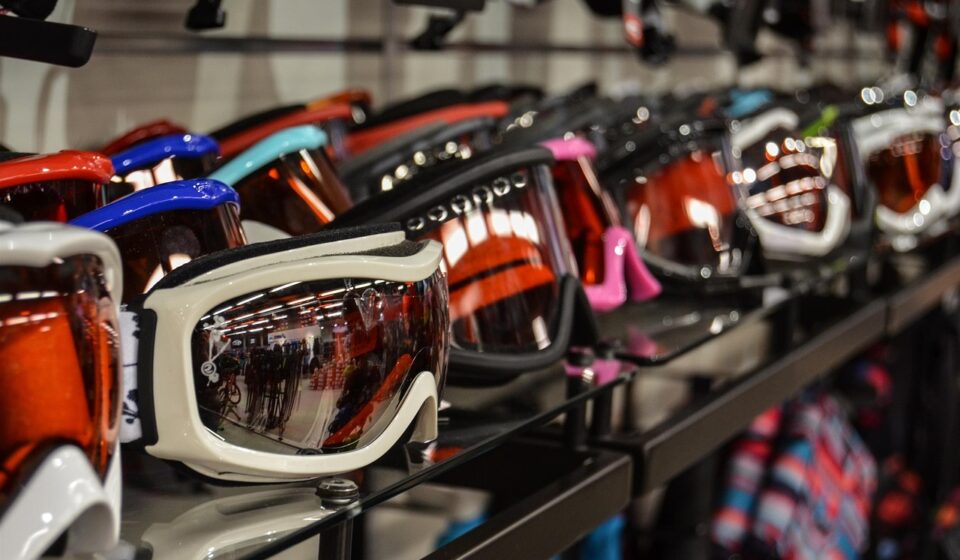
Goggles in lab settings protect the eyes from chemical splash, irritating droplets, dust, flying particles, broken glass, pressure-related breakage and other task-specific hazards. Ordinary safety glasses may be suitable for some low-splash impact hazards, but they do not seal around the eyes the way protective goggles do. For wet chemistry, corrosive liquids, glassware under pressure or vacuum, and procedures with a realistic splash risk, chemical splash goggles are usually the safer baseline. OSHA’s eye and face protection rules require protection appropriate to the hazard, and ANSI/ISEA Z87.1 markings help laboratories confirm whether eyewear is designed for impact, splash or other exposures. In practice, selection should start with the hazard assessment, then move to marking, fit and consistent use while the exposure is present.
Why eye protection decisions should start with the hazard
Laboratory eye protection is not a one-size-fits-all item. A teaching bench, analytical lab, biological sample area and chemical synthesis hood can all require different protection because the hazards are different. OSHA’s general industry eye and face protection standard, 29 CFR 1910.133, focuses on exposure to hazards such as flying particles, liquid chemicals, acids or caustic liquids, chemical gases or vapors, and injurious light radiation. That approach helps prevent a common mistake: choosing eyewear by habit rather than by task.

A useful lab safety assessment asks what could reach the eye, how it could reach the eye, and how severe the exposure could be. A splash from dilute buffer is different from a splash of concentrated acid. A fragment from pressurized glassware is different from nuisance dust. Ultraviolet or laser exposure requires eyewear designed for the specific wavelength and optical density, not ordinary clear goggles. For more laboratory risk-control topics, see the lab safety section.
Goggles, safety glasses and face shields are not interchangeable
Many lab incidents become more serious because the eyewear looks protective but is not designed for the actual exposure. Safety glasses, goggles and face shields have overlapping purposes, but they are not substitutes in every situation. CDC/NIOSH guidance notes that safety glasses can provide impact protection but do not provide the same level of splash or droplet protection as goggles. OSHA guidance also treats face shields as additional face protection, not as a simple replacement for primary eye protection.
| Device | Primary role | Where it fits best | Key limitation |
|---|---|---|---|
| Safety glasses with side shields | Impact protection for the front and sides of the eyes | Low-splash tasks, mechanical handling, minor particle hazards | Open gaps around the eyes allow splash or droplets to enter |
| Chemical splash goggles | Sealed or close-fitting eye protection against splash and droplets | Wet chemistry, pouring, mixing, corrosives, pressurized glassware | Can fog if ventilation, coating and fit are not managed |
| Indirect-vent goggles | Splash protection with limited airflow paths | Routine chemical splash protection where fog control is needed | Must be verified by marking and manufacturer information |
| Non-vented goggles | Higher barrier against liquid and some vapor or mist concerns | Selected chemical operations where ventilation openings are not appropriate | Often fog more quickly and may be less comfortable |
| Face shield | Additional face coverage against splash, heat or flying material | High-volume transfers, corrosive liquids, reactive work | Should normally be worn over goggles or safety glasses, not alone |
When lab goggles are usually needed
Goggles are usually needed when liquid, droplets, dust or fragments could reach the eye from above, below or around the sides of eyewear. This matters in laboratories because work is often performed at close range and near the face. Even small quantities can be consequential when the material is corrosive, toxic, infectious or under pressure.
- Pouring, mixing or transferring chemicals: Splash goggles are generally preferred when liquids are moved between containers, especially acids, bases, solvents or unknowns.
- Working with corrosive liquids: Chemical splash goggles are commonly paired with a face shield when the volume, concentration or splash energy is high.
- Using glassware under vacuum, pressure or heat: Breakage can create both splash and projectile hazards, so impact-rated goggles or goggles plus a shield may be appropriate.
- Handling powders or dusty materials: Goggles can reduce eye exposure when dust may bypass safety glasses, but the correct dust rating and fit should be checked.
- Working with biological splash hazards: Goggles or a face shield selected under the lab’s biosafety procedure may be needed when droplets or sprays are possible.
- Using lasers, UV lamps or intense light sources: Standard clear chemical goggles are not enough unless they are specifically rated for the optical hazard.
This does not mean every person in every room must wear the same goggles at all times. The eyewear must match the exposure. A written policy may require baseline eye protection for the room, while task procedures specify when to upgrade from glasses to goggles, or from goggles to goggles plus a face shield.
How to choose goggles for lab use
Check the standard and the marking
For U.S. workplace use, OSHA references ANSI/ISEA Z87.1 editions for occupational and educational eye and face protection. A Z87 marking indicates that the protector is made to a recognized eye-protection standard, while additional markings identify particular capabilities. For chemical splash protection, the D3 marking is commonly used in ANSI/ISEA Z87.1 selection discussions. A pair of goggles advertised as “lab style” is not enough; the marking and manufacturer documentation should confirm the intended hazard protection.
Choose ventilation based on splash risk
Ventilation affects both protection and comfort. Direct-vent goggles may allow a straight or easier path for liquids and fine particles to enter, so they are not the typical choice for chemical splash work. Indirect-vent goggles are commonly selected for splash and droplet hazards because the vent path is designed to reduce direct entry. Non-vented goggles may be selected for some higher-barrier applications, but they can fog more quickly. If fogging causes users to lift or remove goggles, the control has failed in practice even if the product is technically suitable.
Fit matters as much as the label
Goggles should sit securely against the face without painful pressure, large gaps or interference from respirators, masks, prescription eyewear or head coverings. OSHA guidance emphasizes proper fit as part of PPE selection. For people who wear prescription glasses, the lab should provide goggles that fit over the glasses without disturbing either lens position, or approved prescription safety eyewear where suitable for the hazard. Small gaps can become exposure routes during splashes, so fit checks by actual users are more useful than choosing one model for everyone by default.
Match goggles with engineering and administrative controls
Goggles are the last line of defense, not the whole safety system. Fume hoods, splash shields, closed transfer systems, lower working heights, smaller container sizes, compatible gloves, written procedures and training all reduce the chance or severity of an eye exposure. If a task appears to require uncomfortable PPE for routine operation, the better answer may be to redesign the method rather than simply add a stricter PPE rule.
Fit, use and maintenance checklist
Good goggles can provide poor protection if they are scratched, chemically damaged, worn incorrectly or removed at the wrong moment. A short checklist helps make eye protection more consistent across teaching labs, quality-control benches and research groups. See also: buying guides.
- Inspect before use. Check the lens, frame, strap, vents and seal for cracks, clouding, broken parts, chemical damage or missing markings.
- Put goggles on before opening containers. Eye protection should be in place before the splash or breakage risk begins, not after the first pour.
- Keep goggles on during cleanup. Many splashes occur during rinsing, waste transfer, spill response or glassware washing.
- Do not wear goggles on the forehead. This contaminates the inside surface and leaves the eyes unprotected.
- Manage fogging safely. Step away from the hazard before adjusting, wiping or replacing goggles. Anti-fog coatings and better-fitting models are preferable to repeated removal.
- Clean according to manufacturer instructions. Incompatible solvents or harsh wiping can damage lenses and reduce visibility.
- Store goggles away from chemicals and abrasion. A clean cabinet, pouch or dedicated PPE station extends service life and keeps eyewear ready for use.
- Replace damaged or unclear goggles. Scratched lenses reduce visibility, and damaged seals reduce protection.
Common mistakes that reduce protection
The most common mistake is treating any clear eye covering as equivalent protection. Sunglasses, visitor spectacles, shop glasses and splash goggles can look similar from a distance, but their performance is not the same. Another frequent problem is relying on a face shield alone for chemical splash work. A shield may protect more of the face, but splashes can travel under or around it; for many chemical tasks, it should be worn over goggles.
Fogging is another practical failure point. If goggles fog every few minutes, users may lift them during the most hazardous part of the task. Better product selection, anti-fog lens treatment, task pacing and ventilation control can be more effective than simply repeating “keep goggles on.” Laboratories should also avoid using old goggles with damaged polycarbonate lenses, stretched straps or hardened seals. PPE that is uncomfortable, unclear or visibly worn is more likely to be adjusted, removed or bypassed.
Practical selection guide for typical lab tasks
| Task or exposure | Typical eye protection decision | Why it matters |
|---|---|---|
| General observation in a low-hazard teaching or instrument room | Safety glasses may be sufficient if required by local policy | Impact and incidental exposure may be the main concern, but policy should define the baseline |
| Pouring or mixing liquid chemicals | Chemical splash goggles, preferably with verified splash marking | Liquid can bypass safety glasses through side, top and bottom gaps |
| Handling concentrated acids, caustics or larger volumes | Chemical splash goggles plus a face shield | The eyes and face both need protection from high-consequence splash |
| Heating, pressurizing or using glassware under vacuum | Impact-rated goggles and shielding based on the procedure | Breakage can create fragments and splash at the same time |
| Handling dusty powders or particulates | Goggles selected for dust exposure where safety glasses leave gaps | Particles can enter around ordinary spectacles during weighing or transfer |
| Laser, UV or intense optical radiation work | Specialized optical protective eyewear matched to the source | Clear chemical goggles do not automatically protect against optical radiation |
Frequently asked questions
Are safety glasses enough in a lab?
Sometimes, but not for every lab task. Safety glasses with side shields can be appropriate for lower-risk impact hazards or general room requirements. They are usually not enough for significant chemical splash potential because they do not seal around the eyes.
What does D3 mean on lab goggles?
D3 is commonly used in ANSI/ISEA Z87.1 eye-protection marking to indicate splash and droplet protection. For chemical splash tasks, it is a useful marking to check along with the manufacturer’s instructions and the lab’s PPE policy.
Can a face shield replace goggles?
For many splash hazards, no. A face shield can add valuable coverage for the face, but it is generally considered secondary protection and is commonly worn over goggles or safety glasses. High-splash chemical work often calls for both chemical splash goggles and a face shield.
Can lab goggles be worn over prescription glasses?
Yes, if the goggles are designed to fit over prescription glasses without disturbing the position of either the prescription lenses or the protective lenses. If the fit is poor, the lab should consider another goggle style or approved prescription safety eyewear suitable for the hazard.
How often should lab goggles be replaced?
There is no single replacement interval for every lab. Replace goggles when lenses are scratched or cloudy, seals are damaged, straps are loose, markings are missing, or chemical exposure has degraded the material. Manufacturer guidance and local EHS policy should set the minimum practice.
Bottom line
The right approach to goggles in lab work is to match protection to the hazard, verify the marking, confirm the fit and make the eyewear practical enough that people keep it on. Safety glasses, goggles and face shields each have a role, but they should not be treated as interchangeable. For chemical splash work, properly fitting splash goggles are often the essential starting point, with a face shield added when the severity or volume of the hazard calls for more coverage.