How to choose lab safety gloves for chemical and biological hazards
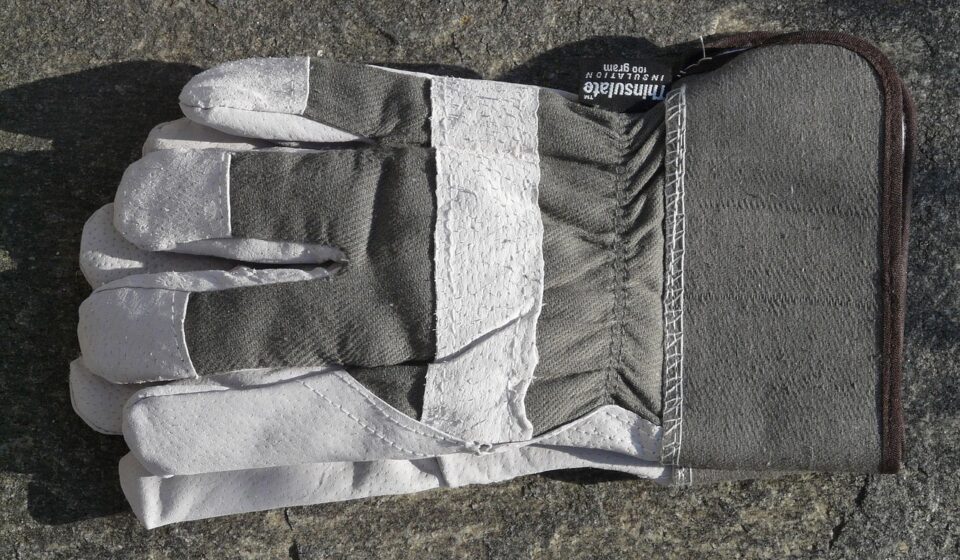
Lab safety gloves are not interchangeable. A suitable glove depends on the hazard, the chemical or biological agent, the likely exposure route, contact time and any secondary risks such as cuts, heat, cold or sharps. A thin disposable nitrile glove may be appropriate for many routine laboratory tasks with incidental contact, but it is not a universal chemical barrier. OSHA’s hand-protection and PPE rules require employers to select protection based on the hazards present, while CDC/NIOSH guidance emphasizes correct use, glove removal and hand hygiene. In practice, glove selection should begin with a task-level risk assessment, followed by chemical compatibility data, glove construction, fit and a documented change-out plan.
For more practical workplace protection topics, see our lab safety resources.
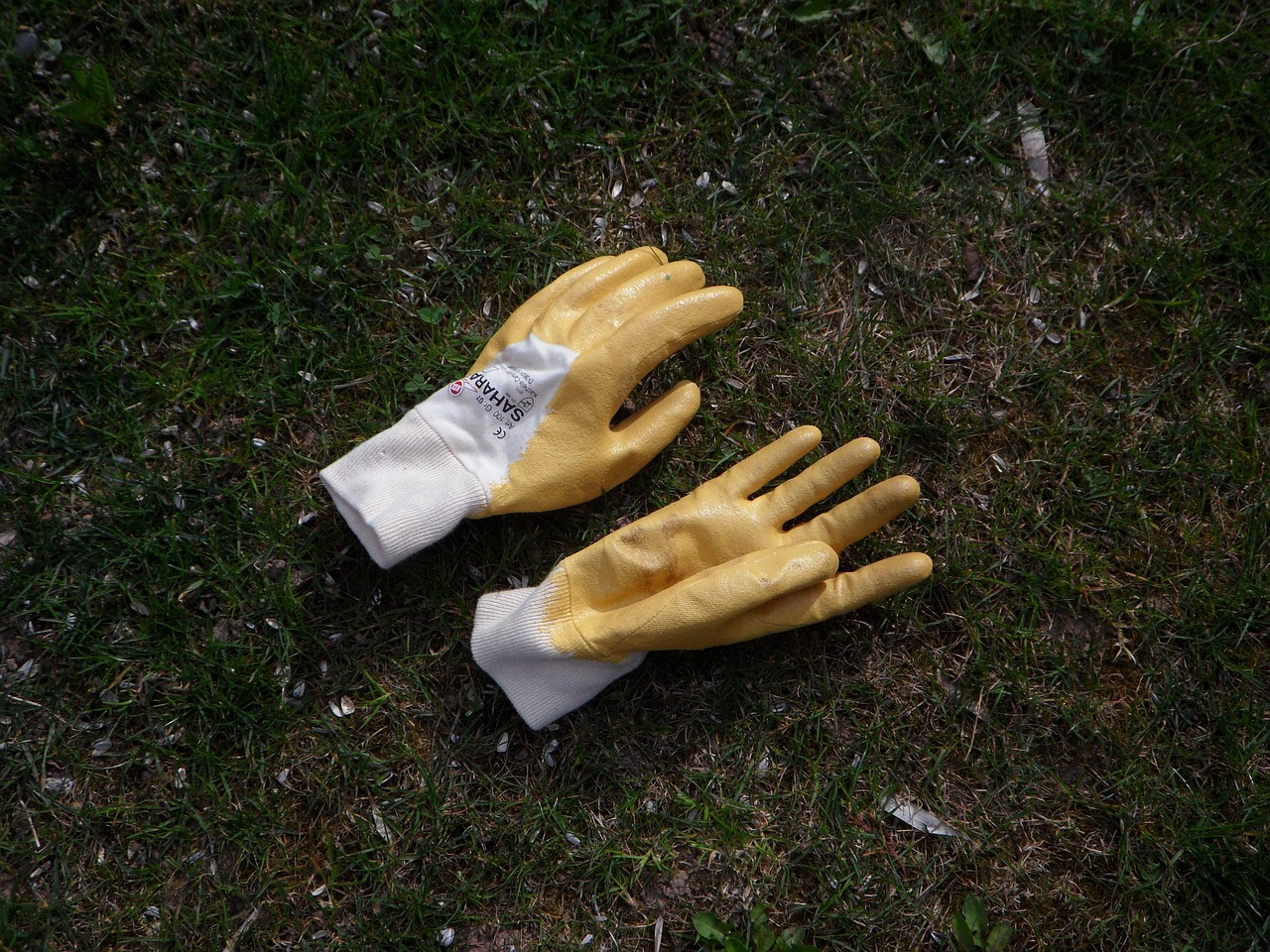
Start with the hazard, not the glove material
The most common mistake in glove selection is starting with the material name: nitrile, latex, vinyl, neoprene or butyl. A safer approach starts with the task. Identify what could reach the skin, how exposure could occur and what other hazards are present at the same time.
OSHA’s hand-protection rule identifies several categories that may require appropriate gloves, including harmful substances absorbed through the skin, severe cuts or lacerations, abrasions, punctures, chemical burns, thermal burns and harmful temperature extremes. OSHA’s general PPE rule also requires employers to assess the workplace and select PPE that protects workers from identified hazards. These requirements matter in laboratories because the same bench may involve solvents in the morning, infectious material in the afternoon and hot glassware later in the day.
A useful lab glove assessment should document at least five factors:
- Agent or material handled: chemical name, biological material, specimen type, reagent, cryogen or hot item.
- Exposure mode: incidental splash, frequent splash, immersion, contaminated surfaces, sharps contact or aerosol-contaminated equipment.
- Contact time: seconds, minutes, repeated short contact or extended handling.
- Mechanical stress: stretching, gripping, abrasion, puncture risk or use around blades and broken glass.
- User factors: glove size, dexterity needs, latex allergy risk, skin irritation and compatibility with sleeve or gown systems.
This task-first method helps avoid two common failures: using one glove for every job, and choosing a thick glove that protects against one hazard but makes the work less safe because dexterity is poor.
Common lab glove materials and their practical limits
Glove material names are useful only when they are tied to a specific hazard and expected contact time. The table below summarizes common laboratory glove categories. It is a selection aid, not a substitute for the safety data sheet, manufacturer compatibility chart or local chemical hygiene plan.
| Glove type | Typical laboratory use | Important limitations |
|---|---|---|
| Nitrile disposable gloves | General lab work, many biological tasks, incidental contact with many common chemicals | Not universal; thin disposable versions may fail quickly with some solvents or extended chemical contact |
| Latex gloves | Good dexterity for some non-chemical tasks where latex is still permitted | Latex allergy risk; generally not preferred where suitable non-latex alternatives are available |
| Vinyl gloves | Low-risk, short-duration tasks with minimal hazard | Poor fit and limited chemical resistance make them unsuitable for many laboratory hazards |
| Neoprene gloves | Certain acids, caustics, oils and tasks requiring more durable chemical protection | Compatibility varies by chemical; thicker gloves reduce dexterity |
| Butyl rubber gloves | Selected gases, ketones and some chemicals where butyl has strong resistance | Not ideal for every solvent class; can be bulky and more expensive |
| Fluoroelastomer gloves such as Viton-type materials | Specialized solvent or fuel resistance applications | High cost; should be selected only when compatibility data supports the task |
| Cut-resistant, thermal or cryogenic gloves | Sharps, broken glass, hot items, dry ice or cryogenic handling | Often not chemically protective unless specifically designed and tested for chemical exposure |
For routine wet lab work, disposable nitrile gloves are widely used because they provide good dexterity and broad usefulness. However, broad usefulness is not the same as confirmed protection. OSHA’s nonmandatory PPE guidance notes that no glove protects against all potential hand hazards and that common glove materials have limited protection against many chemicals. That principle should shape every glove decision.
Chemical resistance depends on more than the glove name
Chemical glove performance is usually described through three related concepts: degradation, permeation and breakthrough time. Degradation is physical change in the glove material, such as swelling, cracking, softening or becoming sticky. Permeation is the movement of a chemical through the glove at a molecular level. Breakthrough time is the measured time until permeation reaches a defined rate under test conditions.
These terms explain why a glove can look intact but still be unsafe for a particular chemical. A glove may resist visible damage while allowing a solvent to permeate. Another glove may be acceptable for short splashes but unsuitable for immersion. Thickness also matters: a thicker glove made from the same material often provides longer resistance, but it may reduce dexterity and make fine manipulation harder.
Compatibility charts should not be treated as universal guarantees. Manufacturer data may be based on specific glove models, thicknesses, test methods and temperatures. Results for an 8 mil disposable glove should not automatically be applied to a 15 mil glove, a lined glove or a reusable glove from another supplier. Chemical mixtures can also behave differently from a pure ingredient listed in a chart.
A practical chemical selection sequence is:
- Identify the exact chemical, concentration and mixture where possible.
- Review the safety data sheet for glove recommendations and skin-hazard statements.
- Check manufacturer compatibility data for the specific glove model or material.
- Decide whether the task involves incidental contact, splash-prone handling or immersion.
- Set a conservative glove change-out time before expected breakthrough, or use single-task disposal for high-risk work.
- Escalate to a more resistant glove, double-gloving system or engineering control when uncertainty is high.
For particularly hazardous skin-absorbing substances, glove choice should be reviewed by the lab’s safety officer, chemical hygiene officer or environmental health and safety team. In those cases, a general-purpose glove is not enough.
Biological safety gloves protect only when use is controlled
For biological materials and clinical specimens, gloves provide a barrier between the worker and potentially infectious material. They also reduce hand contamination during specimen handling, culture work, contaminated instrument handling and waste disposal. Gloves do not replace biosafety cabinets, safe sharps practices, decontamination procedures or hand hygiene.
CDC laboratory safety guidance for medical diagnostic laboratories emphasizes removing gloves and washing hands after work with hazardous materials is complete and before leaving the laboratory. It also advises avoiding contamination of items such as phones and personal objects. These are basic controls, but they are common failure points in glove programs: workers may wear gloves correctly during the task, then spread contamination by touching door handles, keyboards or phones.
For biological work, glove selection should consider:
- Barrier integrity: choose gloves appropriate to the biosafety level, specimen type and expected contact.
- Fit: gloves that are too loose can snag; gloves that are too tight can tear and cause hand fatigue.
- Task changes: change gloves after spills, visible contamination, tears, punctures or movement from dirty to clean work.
- Hand hygiene: wash hands after glove removal, because removal itself can contaminate skin.
- Allergy control: avoid latex exposure where workers are sensitized or where a non-latex option can provide suitable protection.
Double-gloving can be useful for selected high-risk biological or hazardous drug tasks, especially when outer gloves may become contaminated and need to be removed during a procedure. It should be used as a defined protocol, not as a substitute for selecting a chemically or biologically appropriate glove. See also: buying guides.
Standards and labels help, but they do not replace compatibility checks
Several standards and regulatory frameworks may appear in glove procurement. OSHA requirements establish the employer’s duty to assess hazards and select appropriate hand protection. ANSI/ISEA 105 provides classification approaches for industrial hand and arm protection, including categories such as cut, puncture, abrasion and chemical-related performance. The 2024 edition is the current update commonly referenced for industrial hand protection classification in the United States.
For medical examination gloves, FDA rules and recognized performance standards may apply. The FDA’s 2016 final rule banned powdered surgeon’s gloves, powdered patient examination gloves and absorbable powder for lubricating surgeon’s gloves in the United States because of unreasonable and substantial risk of illness or injury. In a laboratory setting, that history is relevant because glove powder can increase latex allergen exposure and contaminate work areas.
Internationally sourced gloves may also carry EN ISO 374 markings for chemical and microorganism protection. These markings can provide useful information, but they should be read carefully. A glove with a chemical protection symbol is not automatically suitable for every reagent in a laboratory. The tested chemicals, performance levels and intended use must match the actual task.
Procurement teams should request product-specific data rather than relying only on broad catalog claims such as chemical resistant or lab grade. At minimum, specifications should identify material, thickness, cuff length, powder status, latex status, relevant test standards, intended tasks and known exclusions.
Build a glove selection and change-out workflow
A strong glove program is repeatable. It gives workers a clear answer before a task starts and a clear reason to change gloves during the task. The following workflow can be adapted for research, teaching, clinical and industrial laboratories.
- List routine tasks: include reagent preparation, sample transfer, cleaning, waste handling, cryogenic work, autoclave unloading and sharps handling.
- Map hazards to each task: separate chemical, biological, thermal, mechanical and contamination-transfer risks.
- Choose glove categories: assign a specific glove type for each task rather than one default glove for the entire lab.
- Define change triggers: include tearing, puncture, contamination, suspected permeation, swelling, discoloration, sticky texture, task completion and leaving the work area.
- Train on removal: emphasize doffing technique, waste disposal and handwashing.
- Review after changes: update the glove matrix when new chemicals, procedures or equipment are introduced.
Change-out schedules should be conservative. For low-risk routine tasks, gloves may be changed after contamination or task completion. For hazardous chemicals, the schedule should be based on compatibility data and the shortest practical exposure time. If glove data are uncertain, the safer decision is to reduce contact through tools, splash shields, closed handling, smaller quantities or a different glove system.
Common mistakes that weaken hand protection
Even well-selected lab safety gloves can fail when the program around them is weak. The following errors are common and preventable:
- Using disposable gloves for immersion: thin gloves are often designed for splash or incidental contact, not prolonged soaking.
- Ignoring glove thickness: the same material can perform differently at different thicknesses.
- Wearing damaged gloves: small tears, stretched fingertips and chemical swelling are signs to stop and replace gloves.
- Touching shared surfaces: contaminated gloves should not contact phones, pens, keyboards, door handles or clean storage areas.
- Assuming double-gloving solves everything: two poor barriers do not equal one compatible barrier.
- Forgetting thermal and mechanical hazards: chemical gloves may not protect from hot glass, liquid nitrogen, blades or broken glass.
- Buying by price alone: the cheapest glove can become expensive if it increases waste, exposure risk or task errors.
A better strategy is to create a simple glove matrix for the lab. The matrix can list common tasks, approved glove options, prohibited glove types and change-out rules. It should be short enough to use at the bench and specific enough to prevent guesswork.
Frequently asked questions
Are nitrile gloves always the safest choice for labs?
No. Nitrile gloves are useful for many routine laboratory tasks, but they are not resistant to every chemical and may not be suitable for prolonged contact, immersion or certain solvent mixtures. Selection should be based on the chemical, concentration, contact time and glove model.
When should lab gloves be changed?
Change gloves immediately if they are torn, punctured, visibly contaminated, swollen, sticky, discolored or suspected of being permeated. Gloves should also be changed after completing a hazardous task, before touching clean surfaces and before leaving the laboratory.
Should laboratories avoid latex gloves?
Many laboratories prefer non-latex alternatives because latex can cause allergic reactions in sensitized workers. CDC/NIOSH guidance has long recommended reducing latex allergen exposure, and powder-free or non-latex gloves are common choices where they provide appropriate protection.
Do chemical-resistant gloves protect against cuts?
Not necessarily. Chemical resistance and cut resistance are different performance categories. If a task involves both a chemical and a cut hazard, the lab may need a layered system or a glove specifically selected for both hazards after reviewing compatibility and mechanical protection data.
Is double-gloving required for all hazardous work?
No. Double-gloving is useful for some tasks, such as selected biological, hazardous drug or high-contamination procedures, but it should be risk-based. The outer glove still needs to be compatible with the hazard, and workers must know when and how to remove it safely.
The bottom line
Choosing lab safety gloves is a risk-control decision, not a purchasing shortcut. Start with the task and hazard, confirm chemical or biological suitability, check relevant standards, define change-out rules and train workers on correct removal. No single glove protects against every laboratory hazard. A documented, task-specific glove program gives laboratories a more reliable way to protect hands while preserving the dexterity needed for safe scientific work.