How to choose testing electrical equipment for safe, traceable measurements
For teams that buy or use testing electrical equipment, the first question should not be “Which meter has the most functions?” A better question is: “Which instrument can safely produce a measurement that is fit for this task?” The answer depends on the electrical system being tested, the voltage and fault-energy exposure, the work environment, the required accuracy, and the records needed to support maintenance or acceptance decisions. OSHA rules emphasize qualified users, visual inspection, circuit-appropriate ratings, and environmental suitability for test instruments and accessories. (osha.gov) This guide explains how to evaluate electrical test instruments without treating safety ratings, calibration, and documentation as afterthoughts. For related industry topics, visit our testing equipment section.
What counts as testing electrical equipment?
In this article, “testing electrical equipment” means instruments and accessories used to evaluate electrical circuits, protective devices, wiring systems, motors, batteries, distribution equipment, and related assemblies. This category includes digital multimeters, clamp meters, voltage detectors, insulation resistance testers, ground resistance testers, continuity testers, power quality analyzers, battery testers, circuit analyzers, and specialized commissioning instruments.
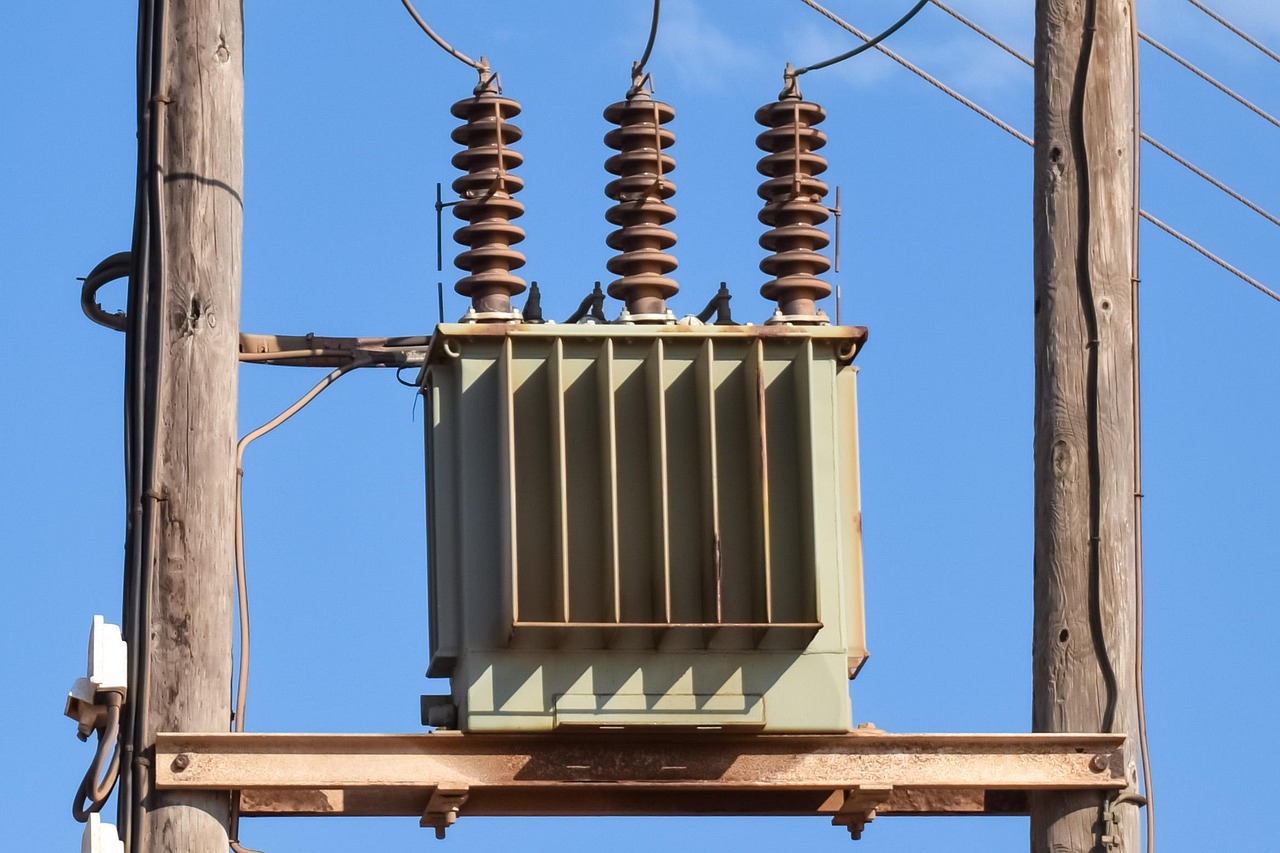
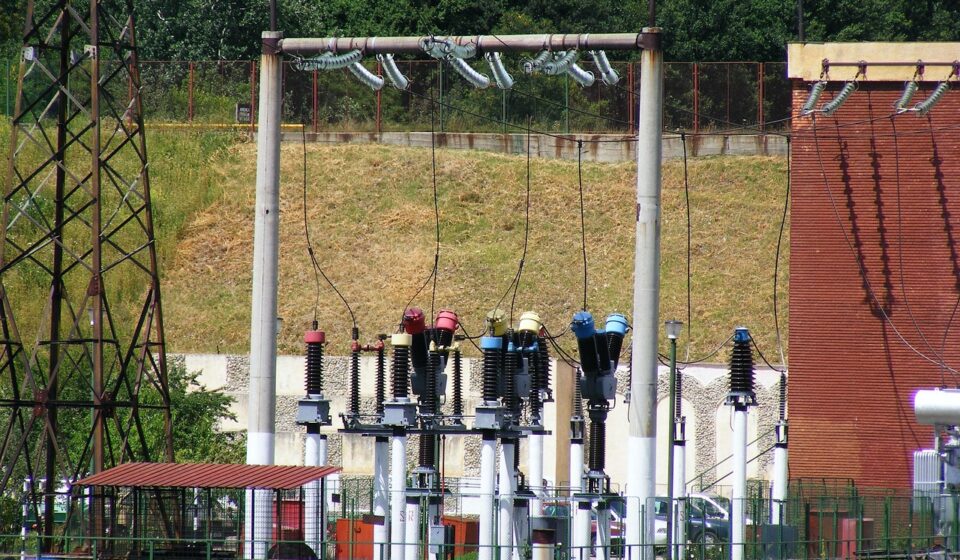
The same phrase can also refer to the equipment being tested, such as switchgear, receptacles, cables, transformers, motors, or panels. That distinction matters. A handheld multimeter used on a control panel, a megohmmeter used on a motor winding, and an analyzer used for a power-quality survey all support different decisions. A reliable selection process therefore starts with the measurement objective, not with the instrument catalog.
Standards and rules that shape equipment selection
Several sources influence how electrical test equipment should be selected and used. OSHA’s general industry electrical rules state that only qualified persons may perform testing work on electric circuits or equipment. They also require test instruments, leads, cables, power cords, probes, and connectors to be visually inspected before use. Damaged items that could expose employees to injury must be removed from service until made safe. (osha.gov)
OSHA also requires test equipment to be used to verify that parts to which employees may be exposed are deenergized. The test must account for possible induced voltage or unrelated backfeed. For circuits over 600 volts nominal, OSHA specifies that the test equipment must be checked for proper operation immediately before and immediately after the test. (osha.prod.pace.dol.gov) NFPA 70E procedures for establishing an electrically safe work condition similarly emphasize use of an adequately rated portable test instrument and verification of operation before and after absence-of-voltage testing. (docinfofiles.nfpa.org)
Product safety standards are also relevant. IEC 61010-2-033 covers safety requirements for hand-held multimeters and other meters capable of measuring mains voltage. OSHA’s NRTL standards list includes UL 61010 parts for measurement, control, laboratory, current-sensor, and handheld multimeter equipment. (webstore.iec.ch) (osha.gov) For low-voltage distribution testing, IEC 61557-1 specifies general requirements for equipment used to test, measure, or monitor protective measures in systems up to 1,000 V AC and 1,500 V DC. (webstore.iec.ch)
Match the instrument to the decision being made
A useful specification connects the measurement to the decision that follows. If the result will be used to release equipment for service, confirm a lockout state, diagnose insulation deterioration, or document commissioning, the instrument choice must be defensible.
| Testing task | Common instrument type | Selection focus |
|---|---|---|
| Verify voltage presence or absence | Rated multimeter or voltage tester | Voltage range, measurement category, known-source verification, lead condition |
| Check load current without opening the circuit | Clamp meter or current probe | AC/DC capability, jaw size, current range, conductor access, category rating |
| Evaluate insulation resistance | Insulation resistance tester | Test voltage, discharge function, asset type, trend records, safe isolation |
| Assess grounding or bonding | Ground resistance or low-resistance tester | Test method, lead configuration, site conditions, expected resistance range |
| Investigate voltage sags, harmonics, or imbalance | Power quality analyzer | Sampling capability, logging duration, channel count, software reporting |
| Commission power equipment | Specialized acceptance test instruments | Applicable procedure, uncertainty, calibration certificate, test report format |
This comparison shows why a “general-purpose” instrument is not always the right practical choice. A plant technician checking a 24 V control circuit and a testing firm commissioning medium-voltage equipment are solving different problems. Their instruments, accessories, training, and documentation should reflect that difference.
Safety specifications are not optional features
Electrical testers may be connected to circuits with high available fault current, transient overvoltages, or unexpected backfeed. A voltage range alone does not fully describe whether an instrument is suitable. Buyers should review the measurement category, maximum rated voltage for that category, lead and probe ratings, fuse protection, input protection, environmental limits, and whether the product is listed or certified for the intended use.
Accessories need the same level of attention as the meter body. Test leads, clips, probes, adapters, current clamps, and power cords can become the weak point in a measurement setup. OSHA’s requirement to visually inspect associated leads, cables, probes, and connectors before use is a reminder that a safe instrument can become unsafe when it is paired with damaged or underrated accessories. (osha.gov)
The work environment should also influence selection. Outdoor testing, damp locations, dusty industrial areas, explosive atmospheres, and cramped panels can change the risk profile. The same instrument used comfortably on a bench may be unsuitable for a high-energy service entrance or a wet field location. When the hazard is unclear, the correct response is not to guess; it is to escalate the work to qualified personnel with appropriate procedures and equipment.
Calibration and traceability make results usable
Calibration is not simply a sticker on the case. It is evidence that an instrument’s performance has been compared with a reference under defined conditions. NIST explains that metrological traceability is a property of a measurement result, not of an instrument itself, and that it depends on an unbroken chain of calibrations, each contributing uncertainty. (nist.gov)
For routine troubleshooting, a company may set calibration intervals based on risk, manufacturer guidance, use severity, and internal quality requirements. For acceptance testing, commissioning, regulated work, or warranty-sensitive decisions, the calibration record becomes more important. The certificate should identify the instrument, date, calibration provider, procedures or standards used, results, uncertainty where applicable, and any limitations.
Calibration planning should also account for drift and damage. Instruments used daily in field conditions, exposed to drops, overloads, moisture, or harsh temperatures, may need more frequent verification than bench instruments used occasionally in a controlled lab. If an instrument is found out of tolerance, the organization should evaluate whether prior measurements remain valid. See also: buying guides.
Acceptance and maintenance testing need different evidence
Acceptance testing and maintenance testing are related, but they are not the same. Acceptance testing asks whether new or newly installed equipment is suitable for energization and operation. Maintenance testing asks whether existing equipment remains suitable for continued service. ANSI/NETA ATS-2025 is described by ANSI as a standard for assessing suitability for initial energization and includes updated content for battery energy storage systems, solar photovoltaic systems, and medium-voltage cable acceptance values. (webstore.ansi.org)
The practical implication is that the same tester may not be enough in both contexts. A commissioning record may need formal procedures, defined pass/fail criteria, calibration evidence, and a structured report. A maintenance route may place more emphasis on repeatable trending, safe access, and comparison with previous results. In both cases, the instrument should match the procedure rather than forcing the procedure to fit whatever tool is available.
A practical selection checklist
Before purchasing or assigning electrical test equipment, review the following points:
- Define the task. Identify whether the work is troubleshooting, verification, acceptance testing, maintenance testing, energy isolation, or quality control.
- Confirm the circuit conditions. Document voltage level, AC or DC, available energy, grounding arrangement, and likely transient exposure.
- Check ratings. Match the instrument and every accessory to the circuit and environment, not only to the nominal voltage.
- Review safety procedures. Confirm who is qualified to use the instrument and how the result will be verified before anyone relies on it.
- Inspect accessories. Look for damaged insulation, loose connectors, exposed conductors, cracked probes, bent tips, or missing guards.
- Plan calibration. Set intervals and records based on risk, usage, required accuracy, and the importance of the decision supported by the measurement.
- Consider documentation. Determine whether the job requires stored readings, time stamps, software exports, photos, or formal reports.
- Avoid overgeneralizing. A meter that is acceptable for electronics bench work may not be acceptable for power distribution equipment.
The aim is not to buy the most expensive instrument. It is to choose a tool that can be used safely, produces a result accurate enough for the decision, and leaves a record that can be understood later.
Common mistakes to avoid
One common mistake is relying on non-contact indication as though it were a complete absence-of-voltage test. Such devices may be useful screening tools in some settings, but critical verification requires a suitable procedure and adequately rated test equipment. Another mistake is ignoring the test leads. The meter, probes, clips, and adapters work as a system; the lowest-rated or damaged component can control the risk.
A third mistake is treating calibration as universal proof of suitability. Calibration supports measurement confidence, but it does not make an underrated instrument safe for a higher-energy circuit. Likewise, a proper safety rating does not guarantee the accuracy needed for a tight diagnostic limit. Selection should consider safety and measurement quality together.
Frequently asked questions
Is a digital multimeter enough for most electrical testing?
A digital multimeter is useful for many voltage, resistance, and continuity checks, but it is not enough for every job. Insulation testing, ground testing, power-quality analysis, battery testing, and commissioning often require specialized instruments, procedures, and records.
How often should electrical test instruments be calibrated?
There is no single interval that fits every instrument. Intervals should reflect manufacturer guidance, usage severity, required accuracy, quality-system requirements, and the consequences of a wrong measurement. Instruments used for acceptance testing or formal reports often need stricter documentation than tools used for informal troubleshooting.
What should be checked before using electrical test equipment?
Check the instrument rating, function setting, battery condition, leads, probes, connectors, visible damage, calibration status where required, and whether the instrument is appropriate for the circuit. For voltage verification, follow the applicable safe-work procedure, including verification of tester operation when required.
Why do accessories matter as much as the tester?
Accessories are part of the measurement path and part of the safety barrier. A correctly rated meter used with damaged or underrated leads can create a hazard and undermine the result. Leads, clips, probes, adapters, and current sensors should be selected and inspected with the same care as the instrument.
What is the main takeaway when selecting testing electrical equipment?
Start with the measurement decision and the hazard, then choose the instrument. The best-fit tool is the one that matches the task, circuit rating, environment, required accuracy, calibration expectations, and reporting needs without compromising safe work practices.