Ipe deck maintenance tips for cleaning, oiling, and long-term care
Start with the simple maintenance rule
The most useful ipe deck maintenance tips are straightforward: keep the surface clean, help the boards dry after rain, and use a penetrating oil only when you want to maintain the brown color. Ipe is dense and naturally durable, but outdoor decks still collect grit, pollen, leaf tannins, mildew, food spills, and metal stains. If you prefer the weathered silver-gray look, oiling is optional; cleaning and inspection are not. If you want the warmer brown tone, clean the deck first, let it dry fully, then apply a thin coat of hardwood-compatible penetrating oil and wipe off excess before it turns tacky.
Think of ipe care as surface management, not heavy sealing. The goal is to limit UV discoloration, moisture traps, surface staining, and end checking while avoiding coatings that cannot bond well to very dense wood.
Why ipe maintenance is different from ordinary deck care
Ipe, often sold as Brazilian walnut, refers to several dense tropical hardwood species, including Handroanthus species and older Tabebuia trade references. The Wood Database lists ipe as very dense, very hard, and very durable, with a Janka hardness around 3,490 lbf and excellent natural resistance to decay and insects. Those properties help explain why ipe performs well outdoors. They also explain why it does not accept finishes in the same way as softer decking species. (wood-database.com)
The USDA Forest Products Laboratory notes that exterior wood finishes are used to protect the surface, maintain appearance, and improve cleanability. For outdoor wood, protection from water, sunlight, and weathering is especially important. The same guidance explains that unfinished exterior wood changes color and can become roughened by photodegradation and surface checking. On an ipe deck, a gray surface is usually a weathering effect, not automatic evidence that the board has failed. (research.fs.usda.gov)
Dense hardwood also changes the finishing strategy. Film-forming coatings such as thick varnish, paint-like layers, or heavy clear topcoats can create maintenance problems on horizontal decking because foot traffic, standing water, and UV exposure break down surface films. Forest Products Laboratory guidance on exterior stains explains that penetrating stains are less prone to cracking or peeling than film-forming finishes because they soak into the wood surface rather than forming a brittle layer on top. (fpl.fs.usda.gov)
Clean the deck before deciding to oil it
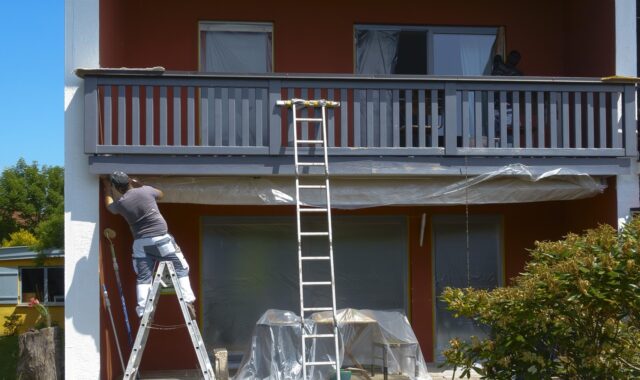
Cleaning is the first maintenance step because oil cannot perform well over dirt, oxidized fibers, mildew, or old sticky residue. Start by removing dry debris. Sweep or blow off leaves, seed pods, soil, and grit, paying attention to board gaps, stair treads, corners, and areas under furniture. Debris holds moisture against the surface and can create uneven dark patches, especially under planters or outdoor rugs.
Routine cleaning
For routine upkeep, use water, a soft to medium deck brush, and a cleaner labeled for exterior wood or hardwood decking. Work with the grain, not across it. Rinse thoroughly so cleaner residue does not remain in the board gaps. A garden hose is often enough for maintenance cleaning. If a pressure washer is used, treat it as a rinsing tool rather than a cutting tool: use low pressure, choose a wide fan pattern, and keep the nozzle moving. Aggressive washing can raise fibers, leave wand marks, or create uneven color that becomes more obvious after oiling.
Deep cleaning and restoration
When the deck has gray oxidation, dark organic staining, or previous finish residue, a deeper cleaning sequence may be needed. Forest Products Laboratory material on deck cleaners and restorers describes mechanical methods such as sanding and power washing, and also discusses oxalic acid-based products used in deck restoration. Oxalic or other wood brighteners are commonly used after cleaning to reduce discoloration from tannins or metal stains and to even out the surface before refinishing. (fpl.fs.usda.gov)
Mildew and algae are surface problems that increase in warm, moist, shaded conditions. Forest Products Laboratory research describes mildew as a recurring issue where spores land on suitable surfaces and grow under favorable environmental conditions. On ipe, mildew may appear as dark spotting on top of the wood rather than decay inside the board. Match the cleaner to the staining problem and follow the label closely; stronger chemistry is not automatically better on a premium hardwood surface. (research.fs.usda.gov)
Choose between brown color and natural gray
An ipe deck can be maintained along two appearance paths. The first is the warm brown path, which requires periodic cleaning and oiling. The second is the natural weathered path, where the wood gradually turns silver-gray and maintenance focuses on cleanliness, drainage, and safety rather than color restoration.
If you want to keep the brown tone
Use a penetrating oil or hardwood deck finish formulated for dense tropical species. Apply it only after the deck is clean and dry according to the product label. Work in manageable sections, brush or pad with the grain, and wipe off unabsorbed oil. Over-application is one of the most common ipe maintenance mistakes. Because ipe is dense, extra oil sitting on the surface may dry unevenly, attract dirt, or become glossy and sticky. A thin, even application is usually more durable than a heavy coat.
Timing depends on exposure. Full sun, southern and western exposures, pool splash, snow, salt air, and heavy foot traffic shorten the color-maintenance cycle. Covered porches and shaded decks may need less frequent oiling. Instead of following a fixed calendar, inspect the deck after cleaning. If water darkens the wood quickly, the color has faded, and the surface looks dry or uneven, it may be time to re-oil if the brown appearance matters.
If you prefer the silver-gray look
Letting ipe gray is a valid maintenance choice. It does not mean ignoring the deck. A gray deck still needs sweeping, washing, gap clearing, and inspection. The benefit is that you avoid the recurring cycle of color restoration. The tradeoff is appearance: once the surface has weathered unevenly under rugs, furniture, planters, and shade lines, returning to a uniform brown tone may require cleaning, brightening, and sometimes sanding.
Protect the vulnerable details
Ipe boards are durable, but decks usually show problems first at the details: cut ends, trapped moisture points, fastener holes, dirty gaps, and places where furniture or planters prevent drying. Maintenance should focus on those areas rather than treating the whole deck as one flat decorative surface. See also: buying guides.
End grain and fresh cuts
Freshly cut board ends need attention because end grain absorbs and releases moisture differently from the board face. In practical deck care, sealing fresh cuts with an end-grain sealer helps reduce checking at exposed ends. This is especially relevant after replacing boards, trimming stair treads, adding access panels, or cutting around posts. Do not smear end-grain sealer across the board face; it can leave visible dark or waxy marks.
Gaps, drainage, and air movement
Clear debris from between boards at least a few times a year. Blocked gaps slow drying and can stain the board edges. Keep planter bases raised, move furniture occasionally, and avoid rubber-backed mats that trap moisture and create sharp color differences. If one section stays wet long after the rest of the deck dries, look for poor drainage, clogged gaps, a leaking gutter, or vegetation shading the surface too heavily.
Fasteners and metal stains
Inspect screws, plugs, clips, rail connections, and stair hardware. Loose fasteners can let boards move and collect water around holes. Dark marks near metal may be related to extractive or metal staining, especially if non-stainless materials were used. A wood brightener may improve some staining, but structural fastener issues should be corrected rather than hidden with finish.
A practical seasonal maintenance schedule
The right schedule depends on climate and exposure, but most ipe decks benefit from a light seasonal rhythm. Use the table below as a planning guide, then adjust it based on how quickly the deck collects debris, loses color, or develops slippery growth.
| Timing | What to do | Why it matters |
|---|---|---|
| Early spring | Sweep, wash, clear gaps, inspect stairs and rail areas | Removes winter debris and reveals stains, movement, or fastener issues |
| Late spring or early summer | Oil only if the deck is clean, dry, and you want to maintain brown color | Supports appearance before peak UV exposure and outdoor use |
| Mid-season | Move planters and furniture, rinse spills, check shaded areas for mildew | Helps prevent uneven weathering and moisture traps |
| Fall | Remove leaves, seed pods, and soil; check drainage before winter | Reduces staining and wet debris during colder months |
| After repairs | Seal fresh cuts and clean dust before applying any finish | Protects vulnerable end grain and improves finish appearance |
Common ipe deck maintenance mistakes to avoid
- Oiling over dirt: Oil highlights what is already on the surface. If the deck is blotchy before oiling, it will likely remain blotchy afterward.
- Using a film-forming topcoat: Thick surface films are difficult to maintain on horizontal outdoor decking and may peel or wear unevenly.
- Applying too much oil: Dense ipe absorbs slowly. Wipe back excess finish before it becomes sticky.
- Ignoring board gaps: Clean board faces still perform poorly if wet debris is packed between them.
- Letting planters sit directly on boards: Use risers or trays that allow airflow, and move planters periodically.
- Using steel wool or inappropriate metal brushes: Metal residue can contribute to dark staining on exterior wood surfaces.
- Expecting clear oil to stop all graying: UV exposure is strong on horizontal surfaces. Pigmented penetrating finishes generally protect color better than completely clear products, but all exterior finishes require maintenance.
When sanding makes sense
Sanding is not routine maintenance for every ipe deck. It is a corrective step for raised fibers, stubborn finish residue, lap marks, deep stains, or uneven weathering that cleaning cannot resolve. Use it carefully because ipe is very hard and sanding dust can be irritating. Wear appropriate respiratory protection, collect dust, and test a small area before sanding the full deck. After sanding, remove dust thoroughly before oiling. Fine sanding that polishes the surface too much may reduce finish absorption, so follow the finish manufacturer’s surface-preparation instructions.
If boards are cupped, loose, cracked through, or structurally questionable, sanding and oiling will not solve the underlying problem. Repair movement, drainage, and fastener issues first. Appearance work should come after the deck is sound, clean, and able to dry.
Frequently asked questions
How often should an ipe deck be oiled?
Oil when you want to maintain the brown tone and the clean, dry surface shows fading or dryness. Fully exposed decks may need more frequent color maintenance than covered or shaded decks. If you like the gray patina, you can skip routine oiling and focus on cleaning and inspection.
Can an ipe deck be left unfinished?
Yes, if you accept the natural gray appearance. The USDA Forest Products Laboratory explains that unfinished exterior wood changes color and weathers at the surface, so the choice is mainly about appearance and cleanability rather than whether every ipe board must be coated. Cleaning, drainage, and inspection still matter. (research.fs.usda.gov)
Should I pressure wash ipe?
Use caution. A pressure washer can help rinse loosened dirt, but high pressure or a narrow tip can mark the surface and raise fibers. Start with sweeping, cleaner, brushing, and hose rinsing. If pressure is needed, use low pressure, a wide fan, and consistent movement.
Why did my ipe turn gray so quickly?
Gray color is mainly surface weathering from sunlight and outdoor exposure. It can appear quickly on horizontal surfaces, especially in full sun. Cleaning and brightening can improve the look, while penetrating oil can restore a warmer tone if the surface is properly prepared.
What is the most important maintenance habit?
Keep the deck clean and able to dry. Clear leaves and gaps, move moisture-trapping objects, rinse spills, and inspect details before problems spread. For more practical upkeep articles, visit the maintenance tips section.