How to choose acoustic testing equipment for reliable noise measurements
Start with the measurement question, not the instrument
Acoustic testing equipment is not a single group of interchangeable tools. A sound level meter used for a quick plant noise survey, a worker noise dosimeter, an impedance tube for material absorption, and a sound intensity probe for machinery sound power are built for different measurement tasks. The practical starting point is to define what the test must show: personal exposure, environmental noise level, product sound power, room behavior, or material performance.
That choice affects the microphone, frequency range, time weighting, accuracy class, software, calibration method, and reporting format. A low-cost meter may be useful for screening, but it may not be acceptable for compliance documentation or product qualification. For readers comparing broader lab and field instruments, the testing equipment category provides related context. The sections below explain how to match acoustic tools to common test purposes without assuming that one instrument can cover every job.
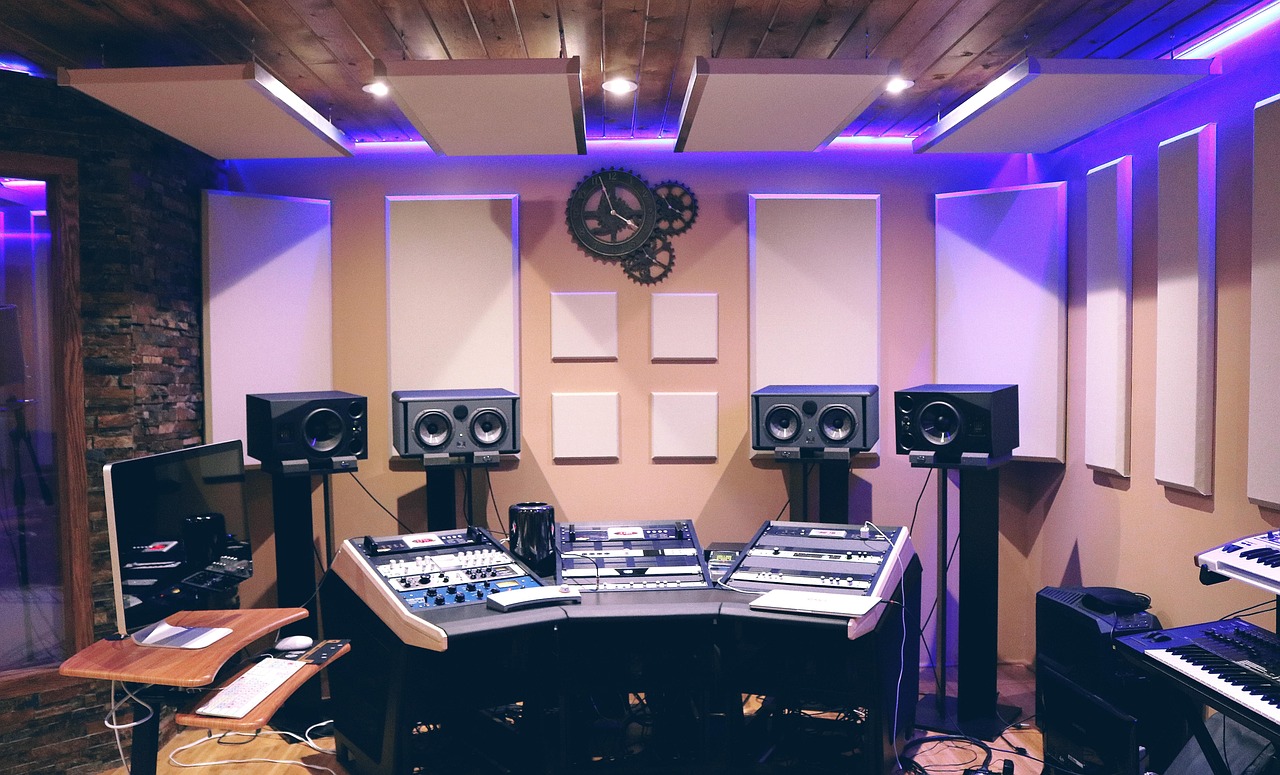
Main types of acoustic testing equipment
Sound level meters and noise dosimeters
Sound level meters measure sound pressure level at a defined location. They are commonly used for area noise surveys, equipment checks, environmental measurements, and preliminary diagnostics. IEC 61672-1:2013 is the key international reference for modern sound level meter performance and defines class 1 and class 2 performance categories. In practical terms, class 1 instruments are used when tighter tolerances are required, while class 2 instruments are often used for general-purpose surveys where the method permits them.
Noise dosimeters serve a different purpose. They are worn by a person and integrate exposure over time. OSHA’s occupational noise regulation, 29 CFR 1910.95, describes personal sampling as important where worker mobility, variable sound levels, or impulse noise make area monitoring less representative. This distinction is important: a stationary meter describes a location, while a dosimeter can describe a worker’s shift exposure.
Microphones, preamplifiers, and acoustic calibrators
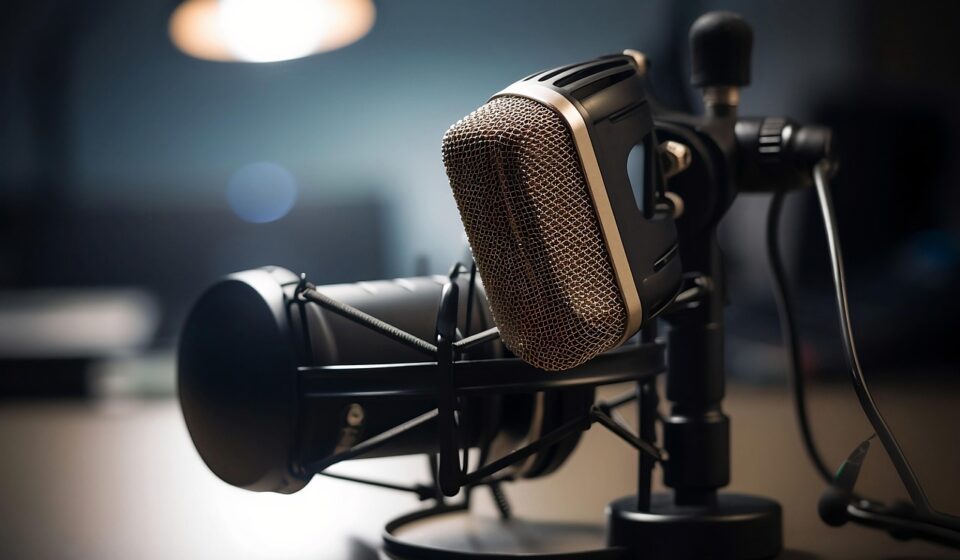
The microphone is the front end of the measurement chain. Its size, dynamic range, frequency response, environmental protection, and calibration history can limit the quality of the entire test. Laboratory microphones may be selected for high precision, while field microphones may need wind protection, weather kits, or rugged housings.
Acoustic calibrators are used to check instrument response before and after measurements. IEC 60942:2017 specifies performance requirements for class LS, class 1, and class 2 sound calibrators. The same IEC description notes that class LS calibrators are normally laboratory instruments, while class 1 and class 2 calibrators are considered field calibrators. In practice, the calibrator class should match the sound level meter class required by the test method.
Frequency analyzers, sound intensity probes, and impedance tubes
Many acoustic problems cannot be resolved with a single A-weighted number. Octave-band and one-third-octave-band analysis helps identify tonal components, low-frequency issues, and the frequency range where noise controls are needed. IEC 61260-1:2014 specifies requirements for octave-band and fractional-octave-band filters, with class 1 and class 2 categories.
Sound intensity systems use paired microphones or specialized probes to estimate acoustic energy flow. They are useful when sound power must be measured in less ideal spaces. Impedance tubes, by contrast, are material test systems. ASTM E1050-24 covers the use of an impedance tube, two microphone locations, and digital frequency analysis to determine normal-incidence sound absorption coefficients and specific acoustic impedance ratios. These systems are common in product development, materials research, and quality comparison, but their results should not be treated as random-incidence room absorption data.
Standards that often determine the equipment choice
Standards should be checked before acoustic testing equipment is purchased or specified. They define the measurement environment, microphone positions, averaging method, frequency bands, uncertainty expectations, and, in some cases, the instrument class. The table below summarizes common references and what they imply for equipment selection. It is not a substitute for the full standard, contract requirement, or local regulation.
| Measurement purpose | Common reference | Equipment implication |
|---|---|---|
| General sound level measurement | IEC 61672-1:2013 | Select class 1 or class 2 sound level meters according to the required tolerance and method. |
| Field calibration checks | IEC 60942:2017 | Use an acoustic calibrator class that fits the sound level meter class and measurement plan. |
| Octave and fractional-octave analysis | IEC 61260-1:2014 | Confirm filter class and frequency band capability before relying on spectral results. |
| Workplace noise exposure in the United States | OSHA 29 CFR 1910.95 | Use calibrated instruments and consider personal dosimetry when area monitoring is not representative. |
| Environmental noise assessment | ISO 1996-2:2017 | Plan for outdoor conditions, measurement duration, direct measurement, and calculation or extrapolation where applicable. |
| Sound power using sound pressure | ISO 3744:2025 | Measure sound pressure on a defined surface around the source in an environment approximating a free field over a reflecting plane. |
| Sound power using sound intensity | ISO 9614-1:1993 | Use sound intensity equipment where the method and source conditions fit the standard. |
| Material absorption and impedance | ASTM E1050-24 | Use an impedance tube, microphones, and digital frequency analysis for normal-incidence material properties. |
As of September 2026, ISO lists ISO 1996-2:2017 as confirmed in 2026, ASTM lists E1050-24 as active, and ISO lists ISO 3744:2025 as the fourth edition for engineering sound power methods using sound pressure. These dates matter because older procedures may still appear in specifications. A project should follow the edition named by the regulator, customer, or approved test plan.
Class 1 vs class 2 is only part of accuracy
Class rating matters, but it is not the same as measurement quality. A class 1 meter used with poor field practice can produce less useful data than a class 2 meter used correctly for an application where class 2 is permitted. Accuracy also depends on calibration, microphone placement, windscreen use, background noise, reflections, operator technique, environmental conditions, and whether the measured sound is steady, intermittent, tonal, or impulsive.
For compliance-driven or dispute-sensitive measurements, class 1 instruments are often preferred because they have tighter tolerance limits. For screening surveys, maintenance checks, and internal comparisons, class 2 instruments may be sufficient if the governing method allows them. The point is not to buy the highest class by default, but to identify the minimum acceptable class and then verify the full measurement chain.
Frequency range is another factor that is often overlooked. Low-frequency machinery noise, HVAC rumble, ultrasound-related applications, and product sound quality work may require microphones and analyzers beyond a basic occupational noise meter. Dynamic range also matters: a device that clips during peak events, or has too much self-noise at low levels, can compromise the result.
Matching equipment to common acoustic testing scenarios
Workplace noise surveys
For occupational noise screening, a sound level meter can map loud zones and identify machines that need closer attention. For exposure assessment, personal dosimeters are often more appropriate because they follow the worker through task changes and movement. OSHA 29 CFR 1910.95 requires instruments used to measure employee noise exposure to be calibrated to ensure measurement accuracy. The same regulation integrates continuous, intermittent, and impulsive sound levels from 80 dB to 130 dB into noise measurements for employee exposure determinations. See also: buying guides.
Product and machinery sound power
Sound power testing is not the same as measuring sound pressure near a machine. Sound pressure changes with distance and environment; sound power is intended to describe the source. ISO 3744:2025 uses sound pressure levels measured on a surface enveloping the source in an environment approximating an acoustic free field near reflecting planes. ISO 9614-1:1993 instead uses sound intensity measured normal to a surface around a stationary source. The choice affects the instrument, test room, microphone positions, background correction, and uncertainty.
Environmental and community noise
Environmental noise measurements may involve long durations, weather effects, background sound, and defined receiver positions. ISO 1996-2:2017 addresses determination of sound pressure levels for environmental noise assessment and is primarily intended for outdoor use, with some indoor guidance. Equipment for this work should support logging, calibration history, weather documentation, statistical levels, and secure data handling.
Material and component acoustics
Material testing requires a different approach from field noise measurement. An impedance tube can compare absorption behavior of samples under controlled normal-incidence conditions. This is useful for early-stage development of foams, textiles, liners, and porous materials. However, a small tube sample does not fully represent how a material will perform in a finished room, vehicle cabin, or enclosure. If the final question is installed performance, room-level or assembly-level testing may also be needed.
Calibration, environment, and data quality checks
A reliable acoustic test plan should include checks before, during, and after measurement. Before the test, confirm the instrument standard, class, microphone type, calibration certificate status, battery condition, time settings, and configuration, such as A-weighting, Z-weighting, fast or slow time response, exchange rate, threshold, and logging interval. During the test, record microphone height, distance from reflecting surfaces, source operating condition, weather or room conditions, and unusual events.
After the test, repeat the field calibration check and document any drift. A large difference between pre-test and post-test calibration checks may require investigation or retesting. Data review should also look for overloads, dropouts, wind contamination, operator handling noise, and time periods that do not represent the intended operating condition.
For laboratories, traceability and uncertainty budgets become more important. Reference microphones, laboratory calibrators, environmental controls, and documented procedures help make measurements comparable over time. For field teams, repeatable setup notes and photographs can be as valuable as the numeric result, especially when measurements are repeated after engineering controls or design changes.
Common selection mistakes to avoid
- Buying a meter before checking the required method. A specification may require a particular class, frequency analysis capability, or calibration approach.
- Using a phone app for formal documentation. Apps can be useful for rough screening, but they do not replace calibrated measurement systems when compliance or contractual evidence is required.
- Confusing sound pressure with sound power. A nearby decibel reading does not automatically describe the total acoustic output of a machine.
- Ignoring low-frequency performance. Many complaints and machinery issues involve low-frequency noise that may not be captured well by a basic setup.
- Overlooking accessories. Windscreens, tripods, extension cables, calibrators, weather protection, and mounting hardware can determine whether a measurement is repeatable.
- Treating the instrument class as the whole quality system. Calibration records, operator training, environmental notes, and uncertainty control are equally important.
Frequently asked questions
What is the difference between acoustic testing equipment and a sound level meter?
A sound level meter is one type of acoustic testing equipment. The broader category also includes dosimeters, microphones, acoustic calibrators, frequency analyzers, sound intensity probes, impedance tubes, reverberation test systems, data acquisition hardware, and analysis software.
Is class 1 acoustic equipment always required?
No. Class 1 equipment is required or preferred for many precision, environmental, and dispute-sensitive measurements, but class 2 equipment can be suitable for many surveys when the applicable method allows it. The standard or regulation should determine the minimum acceptable class.
Can one instrument handle workplace, environmental, product, and material testing?
Usually not. A high-quality sound level meter with logging and octave-band analysis may cover several field tasks, but material absorption, sound intensity, and formal sound power testing often require specialized probes, fixtures, rooms, or software.
Why is calibration mentioned so often in acoustic testing?
Acoustic measurements are sensitive to microphone response, electronics, environmental conditions, and setup. Field calibration checks help confirm that the system is responding as expected before and after the measurement. Formal laboratory calibration provides deeper traceability over longer intervals.
What should be documented in an acoustic test report?
A useful report should identify the instrument model and class, microphone and calibrator details, calibration dates, measurement standard, settings, locations, operating conditions, environmental conditions, time history, exclusions, and any limitations. Without this context, a decibel value alone is difficult to interpret.