Lawn maintenance tips for a healthier yard with less waste

Start with a diagnosis before adding more products
Good lawn maintenance starts with diagnosis, not another product. A healthier lawn usually comes from mowing at a suitable height, watering deeply but not constantly, feeding only when the soil and grass can use nutrients, and correcting compaction before it leads to weeds, runoff, or bare patches. Guidance from university extension turfgrass programs and environmental agencies points in the same direction: routine habits often matter more than quick fixes.
Before changing your schedule, identify the lawn you actually have. Cool-season grasses such as tall fescue, Kentucky bluegrass, perennial ryegrass, and fine fescues grow most strongly in spring and fall. Warm-season grasses such as bermudagrass, zoysiagrass, centipedegrass, and St. Augustinegrass grow most actively during warm weather. That distinction affects mowing height, fertilizer timing, aeration timing, and repair work. You can also explore more in maintenance tips.
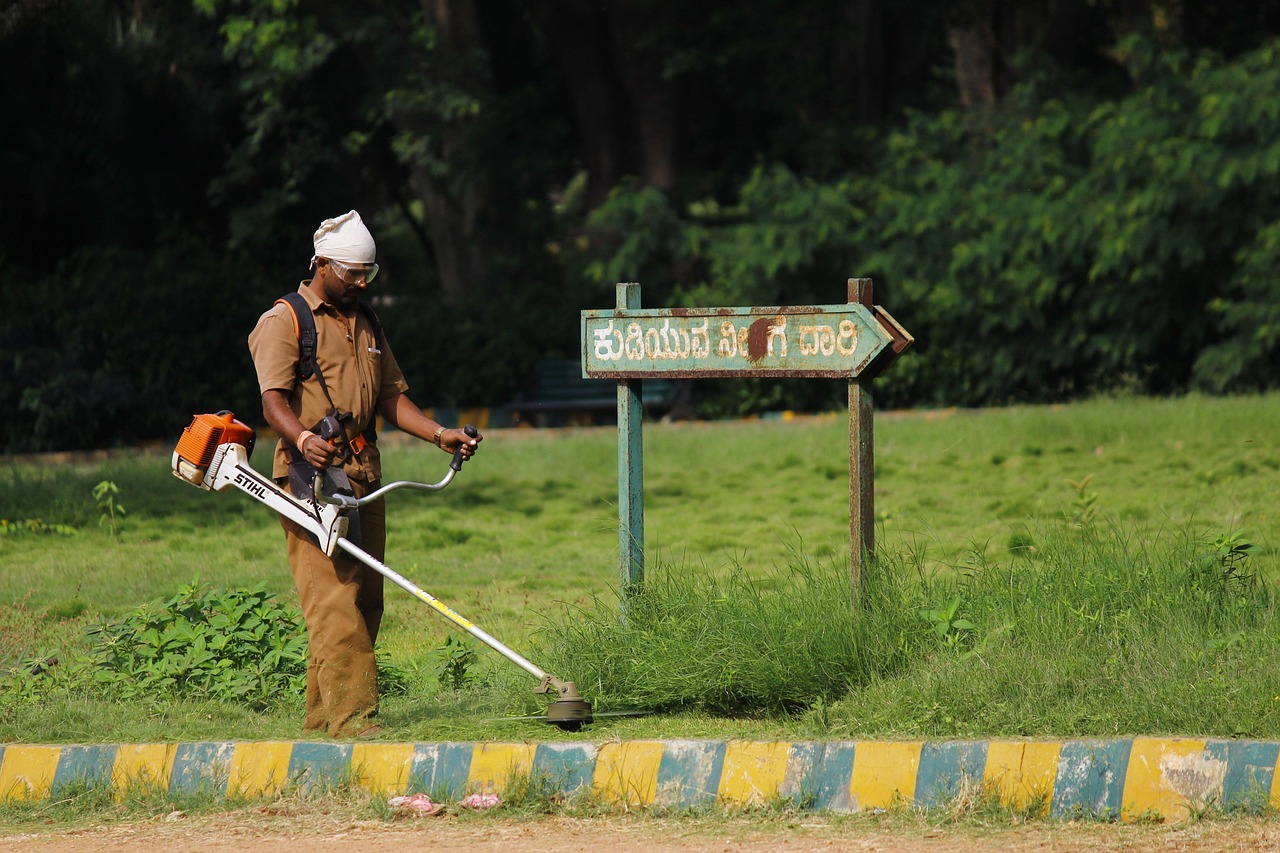
A simple diagnostic routine should include:
- Measure grass height before mowing instead of mowing on a fixed day.
- Check how much water your sprinklers apply using straight-sided cans or a rain gauge.
- Look for runoff, puddling, compacted paths, thin shade areas, and recurring bare spots.
- Use a soil test before applying lime, phosphorus, or potassium.
- Note whether brown areas match sprinkler patterns, heavy foot traffic, pet use, insects, or disease conditions.
For more practical upkeep articles, visit the maintenance tips section.
Mow for stronger roots, not just a shorter lawn
Mowing is the lawn task most homeowners repeat most often, so small adjustments can have a large effect over a growing season. A common evidence-based rule is to remove no more than one-third of the grass blade in a single mowing. Cutting more than that can shock the plant, reduce the leaf area needed for photosynthesis, and expose soil where weed seeds can germinate.
For many cool-season lawns, a mowing height around 3 inches or slightly higher is a practical target, especially during heat or dry weather. Taller cool-season turf shades the soil, supports deeper roots, and helps the lawn compete with weeds. Warm-season grasses vary more by species: bermudagrass is often maintained lower, while St. Augustinegrass is usually kept taller. The right mower setting depends on grass species, climate, shade, and mower capability.
| Maintenance point | Practical target | Why it matters |
|---|---|---|
| Mowing frequency | Mow when growth requires it, not only by calendar | Prevents excessive blade removal |
| Blade removal | Remove no more than one-third at a time | Reduces stress and scalping |
| Cool-season height | Often about 3 inches or higher | Improves shade over soil and drought tolerance |
| Clippings | Leave short, dry clippings on the lawn | Returns nutrients and organic matter |
| Mower blade | Keep sharp and balanced | Cleaner cuts reduce tearing and stress |
Grass clippings are often misunderstood. Short clippings that fall back into the canopy decompose quickly and can reduce the need for supplemental nitrogen over time. Bag clippings when they are long and clumpy, when weeds are producing seed heads, or when an active disease problem could be spread by infected material. Avoid mowing saturated soil because heavy wheels can leave ruts and worsen compaction.
Water deeply and measure what reaches the root zone
Watering problems usually come from frequency, not just total volume. Light daily watering keeps moisture near the surface, where roots stay shallow and weeds can gain an advantage. A better approach is deep, less frequent watering that reaches the active root zone. For actively growing cool-season lawns kept green through summer, extension guidance commonly uses about 1 to 1.5 inches of water per week from rainfall and irrigation combined. Local soil, heat, wind, grass species, and shade can shift that number.
The best test is not how long the sprinkler runs; it is how much water reaches the lawn. Place several straight-sided containers across the irrigation zone and run the system for a set period. If one can collects much more than another, the lawn is being watered unevenly. Dry arcs, overspray onto pavement, and runoff down slopes all indicate that the irrigation pattern needs adjustment.
Water early in the morning, when evaporation is lower and leaf surfaces can dry during the day. Avoid routine nighttime watering because extended leaf wetness may encourage some turf diseases. On slopes or clay soils, split watering into shorter cycles with soak-in time between them. If water begins running into the street, the soil is no longer absorbing water at that rate.
For cool-season lawns in hot climates, decide whether you will irrigate consistently or allow summer dormancy. Switching back and forth between dormancy and green growth can stress the grass. If you choose dormancy, limit traffic and provide only enough water during extended drought to help crowns survive, following local extension recommendations where available.
Feed from soil test results and keep nutrients out of runoff
Fertilizer should solve a measured need, not compensate for poor mowing, shallow watering, or compacted soil. A soil test can report pH and available nutrients such as phosphorus and potassium. Nitrogen is often the nutrient most associated with turf color and growth, but too much nitrogen can push excessive top growth, increase mowing demand, and contribute to disease or insect pressure.
Use the fertilizer label and local recommendations to calculate the correct amount for the lawn area. Over-application wastes money and increases the chance that nutrients move offsite. Avoid fertilizing before heavy rain, and sweep granules from driveways, sidewalks, and patios back onto the grass. Fertilizer left on hard surfaces can move with stormwater into drains, streams, ponds, and lakes.
Phosphorus needs particular caution. Many established lawns already have adequate phosphorus, and some states or localities restrict phosphorus lawn fertilizer unless a soil test shows a deficiency. Where a lawn is near a pond, stream, drainage ditch, or coastal area, phosphorus-free fertilizer is often the safer default unless testing shows a clear need.
Clippings, compost used correctly, and healthy soil biology all help recycle nutrients. Organic inputs still contain nutrients, however, so they should not be applied carelessly. Compost or topdressing should be thin, mature, and compatible with the soil. A heavy layer can smother turf, alter drainage, or create a soft surface that performs poorly under foot traffic.
Fix compaction, thatch, and bare spots in the right season
Thin turf is often blamed on weeds, but the underlying cause may be compacted soil, excessive thatch, shade, drainage problems, or unsuitable grass selection. Treating weeds without correcting the cause usually gives only short-term improvement, followed by the same problem returning. See also: buying guides.
Core aeration is one of the most practical repairs for compacted lawns. A core aerator removes small plugs of soil, creating channels for air, water, and nutrients. This is different from spike aeration, which makes holes but can press surrounding soil tighter, especially in heavy soils. Cool-season lawns are commonly aerated in fall or spring when the grass is actively growing and temperatures are mild. Warm-season lawns are generally aerated in late spring or summer during active growth. In all cases, soil should be moist enough for tines to penetrate but not so wet that equipment tears the surface.
Thatch is a layer of partially decomposed stems and roots between green blades and the soil surface. A small amount can provide cushioning, but excessive thatch interferes with water, air, and nutrient movement. Mechanical dethatching can be rough on turf, so it is best reserved for confirmed buildup rather than done automatically every year.
Bare spots need soil-to-seed contact. Loosen the surface, correct compaction or drainage where possible, choose seed suited to sun and shade, and keep the seedbed consistently moist until germination. In deep shade or under tree roots, turf may be the wrong plant. Mulched beds, shade-tolerant groundcovers, or reduced lawn area may perform better than repeated reseeding.
Use integrated weed, insect, and disease decisions
A healthy lawn is not pest-proof, but dense turf reduces the open space weeds need. Start with identification before treatment. A brown patch can come from drought, poor irrigation coverage, mower scalping, pet urine, fungal disease, grub injury, or chemical burn. Each cause calls for a different response.
Integrated pest management uses monitoring, prevention, and targeted action rather than automatic applications. For weeds, improve turf density with proper mowing, fertility, irrigation, and overseeding. For insects, confirm the pest and life stage before applying control products. For disease, reduce avoidable stress by sharpening mower blades, avoiding excessive nitrogen, improving airflow where practical, and watering early rather than late.
If a pesticide or herbicide is needed, read and follow the label exactly. Avoid applying products during drought stress, extreme heat, windy conditions, or before heavy rain unless the label directs otherwise. More product does not mean better control; it can injure turf, affect non-target organisms, and increase runoff risk.
Build a seasonal lawn maintenance routine
A good lawn schedule is flexible. Weather, grass type, soil texture, shade, and traffic matter more than a generic calendar. Use this seasonal framework as a planning tool, then adjust it for local extension guidance and actual lawn conditions.
| Season | Main tasks | Important limits |
|---|---|---|
| Early spring | Inspect winter damage, sharpen mower blades, begin mowing when growth starts | Avoid heavy nitrogen too early on cool-season lawns |
| Late spring | Monitor weeds, calibrate irrigation, mow at the correct height | Do not scalp warm-season lawns as they green up |
| Summer | Water deeply if maintaining green growth, raise mowing height for stress where appropriate | Avoid aggressive dethatching or heavy fertilizer during heat stress |
| Late summer to fall | Overseed cool-season lawns, core aerate compacted areas, apply fertilizer if recommended | Seed timing should allow establishment before winter |
| Late fall | Continue mowing until growth stops, remove heavy leaf cover | Do not leave thick leaves that block light and trap moisture |
The most efficient routine is measured and consistent: mow high enough, leave useful clippings, water only when needed, test soil before adding nutrients, aerate when compaction is real, and identify pests before treating. That approach supports lawn health while reducing waste, runoff, and unnecessary work.
Frequently asked questions
How often should I mow my lawn?
Mow when the grass has grown enough that you can cut it without removing more than one-third of the blade. During rapid growth, that may mean more than once a week. During heat, drought, or dormancy, mowing may slow or pause.
Should grass clippings stay on the lawn?
Yes. Short, dry clippings can usually stay on the lawn. They return nutrients and organic matter as they decompose. Remove clippings if they form heavy mats, contain weed seed heads, or may spread an active disease issue.
Is daily watering good for grass?
Routine daily watering is usually not ideal for established lawns because it encourages shallow roots. Deep, infrequent watering is generally better, except for newly seeded areas that need consistent surface moisture until seedlings establish.
When should I aerate my lawn?
Aerate when the grass is actively growing and can recover. Cool-season lawns are commonly aerated in fall or spring, while warm-season lawns are usually aerated in late spring or summer. Soil should be moist, not saturated.
Do I need fertilizer every year?
Not always in the same amount or formula. A soil test, grass type, clipping management, irrigation level, and local growing conditions should guide fertilizer decisions. Avoid applying phosphorus unless a test or local recommendation shows it is needed.