Autumn home maintenance safety tips for a safer, cleaner season

Why autumn maintenance is a safety task, not just a seasonal chore
Autumn home maintenance safety tips are important because fall changes several risk conditions at once. Leaves block drainage, daylight hours are shorter, heating systems return to regular use, and wet surfaces make ladders, roofs, decks, and steps less forgiving. A good autumn plan should do more than make the property look tidy. It should reduce fire risk, prevent falls, keep water away from the structure, protect indoor air quality, and make the home easier to inspect before winter weather arrives.
The safest approach is to work from the outside in: clear drainage, inspect walking surfaces, prepare heating equipment, test alarms, control moisture, and store tools and chemicals correctly. If a task involves roof access, electrical repair, gas appliances, structural damage, or uncertainty about safe work methods, treat it as a professional job rather than a weekend project.
For more seasonal upkeep topics, visit the maintenance tips section.
Start outside with drainage, surfaces, and visibility
Many autumn problems start outside the house. Leaves, acorns, twigs, and windblown debris can collect quickly, especially after storms. When water cannot move through gutters and downspouts, it may spill near the foundation, stain siding, damage fascia boards, or create slippery areas around entrances. The goal is not cosmetic perfection; it is controlled water flow and safer movement around the property.
Clean gutters and confirm downspout direction
Check gutters after the heaviest leaf drop in your area and again after major wind or rain. Water should move freely toward downspouts, and downspouts should discharge away from the foundation, walkways, and basement windows. If water pools next to the house, extend or redirect the discharge where local drainage rules allow.
Use a stable ladder on firm, level ground, wear gloves, and avoid overreaching. Move the ladder more often instead of leaning far to one side. Do not climb during rain, strong wind, frost, or poor light. If gutters are high, hard to reach, near power lines, or attached to a steep roofline, hire a qualified professional.
Reduce slip and trip hazards before wet weather
Autumn leaves can hide uneven pavers, cracked steps, low edging, and holes in the lawn. Clear leaves from porches, stairs, driveways, and the paths people use most. Repair loose handrails, tighten deck boards, and replace burned-out exterior bulbs. As the days get shorter, lighting becomes part of safety, not decoration.
- Check that porch, garage, and walkway lights turn on reliably.
- Use outdoor-rated fixtures and bulbs in damp or exposed areas.
- Trim branches that scrape siding, block lights, or hang over walkways.
- Store hoses before freezing weather to prevent tripping and cracking.
- Keep leaves away from exterior vents, basement stairwells, and drains.
Prepare heating systems without increasing fire or carbon monoxide risk
Heating equipment may sit unused or lightly used for months. Autumn is the right time to inspect it, before cold weather makes repairs urgent. Fire safety organizations such as the National Fire Protection Association and the U.S. Fire Administration regularly emphasize the same core controls: keep heat sources clear, maintain equipment, test alarms, and use portable heaters carefully.
Schedule service for furnaces, boilers, and chimneys
If your home uses a furnace, boiler, heat pump, wood stove, fireplace, or pellet stove, follow the manufacturer’s maintenance schedule. Replace or clean filters as specified, keep return vents clear, and look for signs that service is overdue, such as unusual odors, soot, rattling, short cycling, inconsistent heat, or visible corrosion. Fuel-burning equipment should be assessed by a qualified technician when performance changes or when annual service is recommended.
Fireplaces and chimneys need special attention because creosote, animal nests, cracked liners, and blocked flues can create fire and ventilation hazards. Have chimneys inspected before the first regular use of the season, especially if the fireplace was used heavily the previous winter or the home was recently purchased.
Keep portable heaters under strict control
Portable space heaters can be useful for limited, supervised heating, but they should not become casual background equipment. Place them on a stable, flat surface, away from bedding, curtains, papers, furniture, rugs, and foot traffic. Do not plug a high-wattage heater into an extension cord unless the manufacturer specifically allows it and the cord is properly rated. Turn heaters off before sleeping, leaving the room, or leaving the home.
Use heaters with automatic shutoff features and inspect cords for damage before each season of use. A heater that smells hot, trips breakers, flickers lights, or has a loose plug should be removed from service until the cause is understood.
Test alarms and review emergency readiness
Autumn is a practical checkpoint for the devices that warn you when something goes wrong. Smoke alarms, carbon monoxide alarms, fire extinguishers, flashlights, and escape plans are easy to overlook because they do not demand attention every day. Their value depends on whether they work before an emergency begins.
Test smoke alarms and carbon monoxide alarms according to the manufacturer’s instructions. Replace batteries when required, and replace the entire unit when it reaches the end of its service life. If you do not know the age of an alarm, check the label on the back. If the label is missing, unreadable, or clearly outdated, replacement is safer than guessing.
- Place smoke alarms where local code and manufacturer instructions require them, including sleeping areas.
- Install carbon monoxide alarms if the home has fuel-burning appliances, an attached garage, or other CO risk factors.
- Keep a multipurpose fire extinguisher accessible and learn how to use it before an emergency.
- Review two ways out of each sleeping area and keep exits free of stored items.
- Keep flashlights and spare batteries in predictable locations, not buried in seasonal storage.
Emergency readiness also includes weather preparation. Autumn storms can cause power outages, fallen branches, and blocked roads. Store basic supplies such as water, nonperishable food, necessary medications, phone chargers, and weather-appropriate clothing. Keep supplies practical and rotated rather than excessive and forgotten.
Control moisture and indoor air quality before the house closes up
As temperatures fall, people close windows, run heating systems, and spend more time indoors. That makes moisture control and indoor air quality more important. A small autumn leak may become a winter mold problem, and a clogged vent or dirty filter may affect comfort and efficiency throughout the season.
Look for signs of hidden water problems
Inspect ceilings, attic areas, basements, crawl spaces, and areas around windows for stains, soft materials, peeling paint, musty odors, or visible mold. Check under sinks and around water heaters, washing machines, dishwashers, and refrigerators with water lines. Small leaks are easy to miss when spaces are cluttered, so clear access to mechanical and plumbing areas before inspection.
Outside, verify that soil slopes away from the foundation where possible and that window wells or basement drains are not filled with leaves. If water intrusion has already occurred, drying the area is not always enough; the source must be corrected.
Maintain ventilation and filtration
Replace HVAC filters at intervals recommended by the equipment manufacturer, filter type, household occupancy, and conditions such as pets, dust, smoke, or remodeling. Higher-rated filters are not automatically better for every system because airflow matters. Use filter specifications compatible with the equipment rather than choosing only by appearance or price. See also: buying guides.
Bathroom and kitchen exhaust fans should move humid air outside, not into attics or wall cavities. Clean lint from dryer screens after each load and inspect the dryer vent path for restrictions. A clogged dryer vent can reduce performance and create a fire hazard.
Use ladders, tools, and chemicals with seasonal caution
Autumn tasks often involve ladders, pruning tools, leaf blowers, pressure washers, fertilizers, ice melt, fuel containers, and cleaning chemicals. The safety risk is not only the tool itself. It is the combination of wet surfaces, fatigue, dim light, and rushing to finish before bad weather.
Ladder safety should decide which jobs you accept
Before climbing, inspect the ladder for bent rails, damaged rungs, missing feet, loose fasteners, or contamination such as oil and mud. Set it on stable ground and maintain three points of contact when climbing. Keep tools in a belt or bucket system rather than carrying them loosely in one hand. Never stand on the top cap of a stepladder.
Do not use metal ladders near overhead electrical lines. Do not place a ladder on boxes, outdoor furniture, or truck beds to gain extra height. If a job requires stretching, working sideways, handling heavy materials while elevated, or stepping onto a steep roof, it has moved beyond safe basic maintenance for many homeowners.
Store fuels, cleaners, and seasonal products correctly
Gasoline, solvents, pesticides, pool chemicals, fertilizers, paint products, and ice-melt materials should remain in their original containers with labels intact. Keep incompatible chemicals separated and out of reach of children and pets. Do not store flammable liquids near furnaces, water heaters, pilot lights, or other ignition sources.
If using a generator during an autumn outage, operate it only outdoors and far from windows, doors, vents, and garages. Carbon monoxide cannot be reliably detected by smell, so safe placement and working CO alarms are essential controls.
A room-by-room autumn safety checklist
A checklist helps turn broad safety advice into manageable action. Use it as a starting point, then adjust for your climate, building age, fuel type, landscape, and household needs.
| Area | Safety check | Why it matters |
|---|---|---|
| Roof and gutters | Clear debris, check drainage, look for loose shingles from the ground | Reduces water damage and risky winter repairs |
| Walkways and entries | Remove leaves, repair loose steps, improve lighting | Reduces falls during wet, dark, or icy conditions |
| Heating equipment | Replace filters, schedule service, keep combustibles away | Supports safer operation before heavy seasonal use |
| Fireplace or stove | Inspect chimney or flue, clean ash safely, use proper screens | Limits fire and smoke hazards |
| Alarms | Test smoke and CO alarms, check age and batteries | Improves warning time in a fire or CO emergency |
| Basement and attic | Look for moisture, pests, blocked vents, and damaged insulation | Finds hidden issues before winter worsens them |
| Garage and storage | Organize tools, label chemicals, separate fuels from ignition sources | Prevents accidental exposure, fires, and clutter-related injuries |
When to call a professional instead of doing it yourself
Good maintenance includes knowing when not to do a task. Professional help is appropriate when a job involves roof walking, steep slopes, electrical wiring, gas lines, chimney defects, structural movement, large trees, standing water near electrical equipment, or suspected mold beyond a small, easily cleaned surface area.
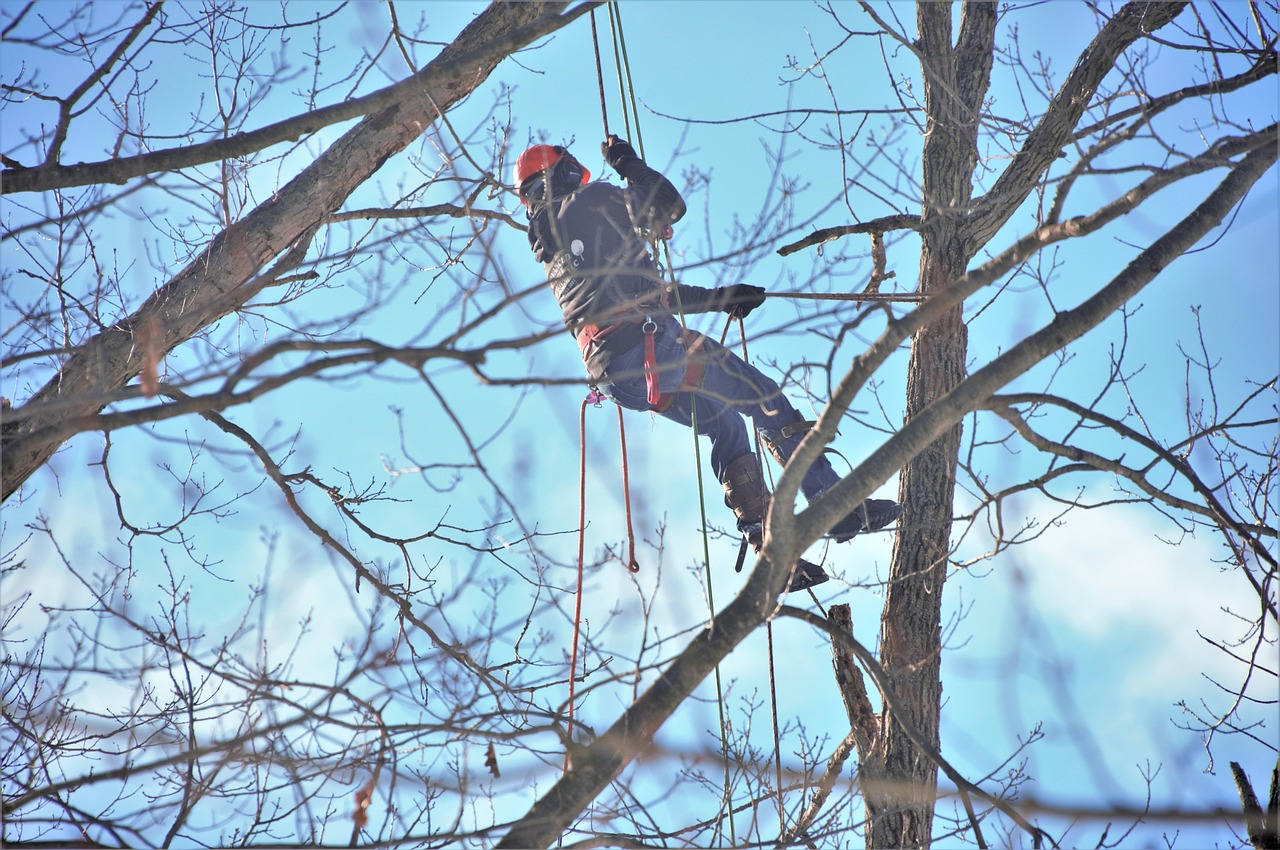
Call a licensed electrician for repeated breaker trips, warm outlets, flickering circuits, or outdoor electrical damage. Call a qualified HVAC or fuel-appliance technician for gas odors, soot, poor combustion, abnormal burner flames, or carbon monoxide alarm events. Contact a tree professional for large dead limbs, branches over roofs, or trees near power lines. These situations carry risks that increase when weather is worsening and daylight is limited.
For routine tasks, pace the work over several weekends rather than trying to complete everything in one long day. Fatigue leads to shortcuts, and shortcuts often defeat the purpose of maintenance. Prioritize issues that affect life safety first: alarms, heating equipment, blocked exits, exterior lighting, major leaks, and unsafe walking surfaces.
Frequently asked questions
What are the most important autumn home maintenance safety tips?
The highest-priority tasks are testing smoke and carbon monoxide alarms, preparing heating equipment, clearing gutters and drains, improving exterior lighting, removing slip hazards, and inspecting for leaks. These steps address the main seasonal risks: fire, carbon monoxide, falls, and water damage.
How often should gutters be cleaned in autumn?
There is no single schedule that fits every home. A house under heavy tree cover may need multiple cleanings, while a more open property may need less frequent attention. Check after peak leaf fall and after strong storms. If water spills over the edge or pools near the foundation, the system needs attention.
Is it safe to use a space heater overnight?
It is safer to turn portable space heaters off before sleeping or leaving the room. If supplemental heat is necessary, choose equipment with modern safety features, follow the manufacturer’s instructions, keep it away from anything that can burn, and avoid overloaded outlets or improper extension cords.
What should be done before using a fireplace for the first time in fall?
Check that the fireplace, chimney, flue, and surrounding area are clean and unobstructed. If the chimney has not been inspected recently, or if you see soot buildup, damage, nests, odors, or smoke entering the room, arrange a professional inspection before use.
Which autumn maintenance jobs should homeowners avoid doing themselves?
Avoid do-it-yourself work that requires roof walking, working near power lines, repairing gas appliances, correcting electrical faults, removing large limbs, or diagnosing carbon monoxide problems. These tasks require training, equipment, and safety controls beyond ordinary household maintenance.